What Is Thermal Energy And Heat
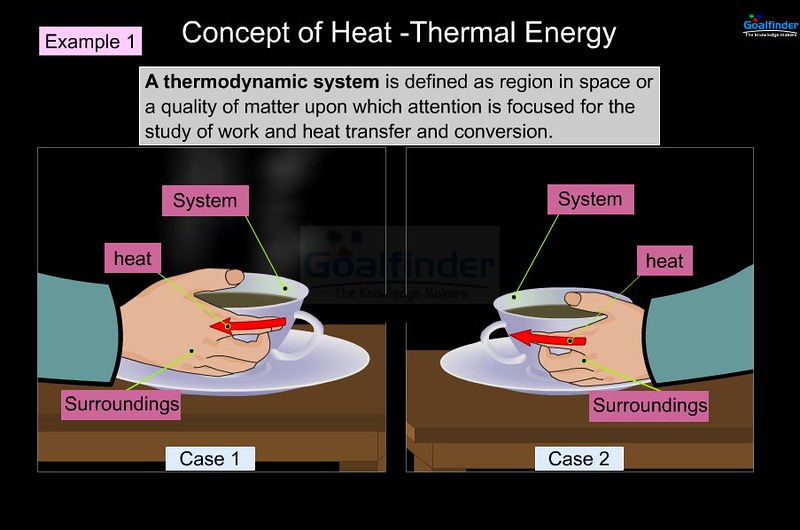
Ever found yourself mesmerized by the dancing flames of a campfire, or felt that instant comfort from a freshly brewed cup of tea? What you’re experiencing is the wonderful world of thermal energy and heat in action! Far from being just a dry scientific concept, understanding thermal energy is like unlocking a secret superpower that explains so much of the comfort, transformation, and joy in our daily lives. It's the silent protagonist behind everything from the perfect soufflé to the warmth of a sunny afternoon, making it a surprisingly popular and incredibly creative force that shapes our experiences.
So, why should you, a budding artist, a passionate hobbyist, or simply a curious casual learner, dive into the warm embrace of thermal energy? For artists, it's about understanding how materials transform: how heat shapes glass into dazzling sculptures, hardens clay into sturdy pottery, or makes metal pliable for intricate designs. It’s also about depicting light and shadow, capturing the radiant glow of a fire, or the shimmering heat haze on a summer road. For hobbyists, whether you're a baker perfecting your crust, a candle maker melting wax just right, or even a gardener understanding how sunlight fuels vigorous plant growth, grasping heat transfer is absolutely key. It elevates your craft from guesswork to informed artistry. And for casual learners, it simply makes the world a more fascinating place, explaining why your coffee stays hot longer in a vacuum flask, or why a radiator efficiently warms an entire room.
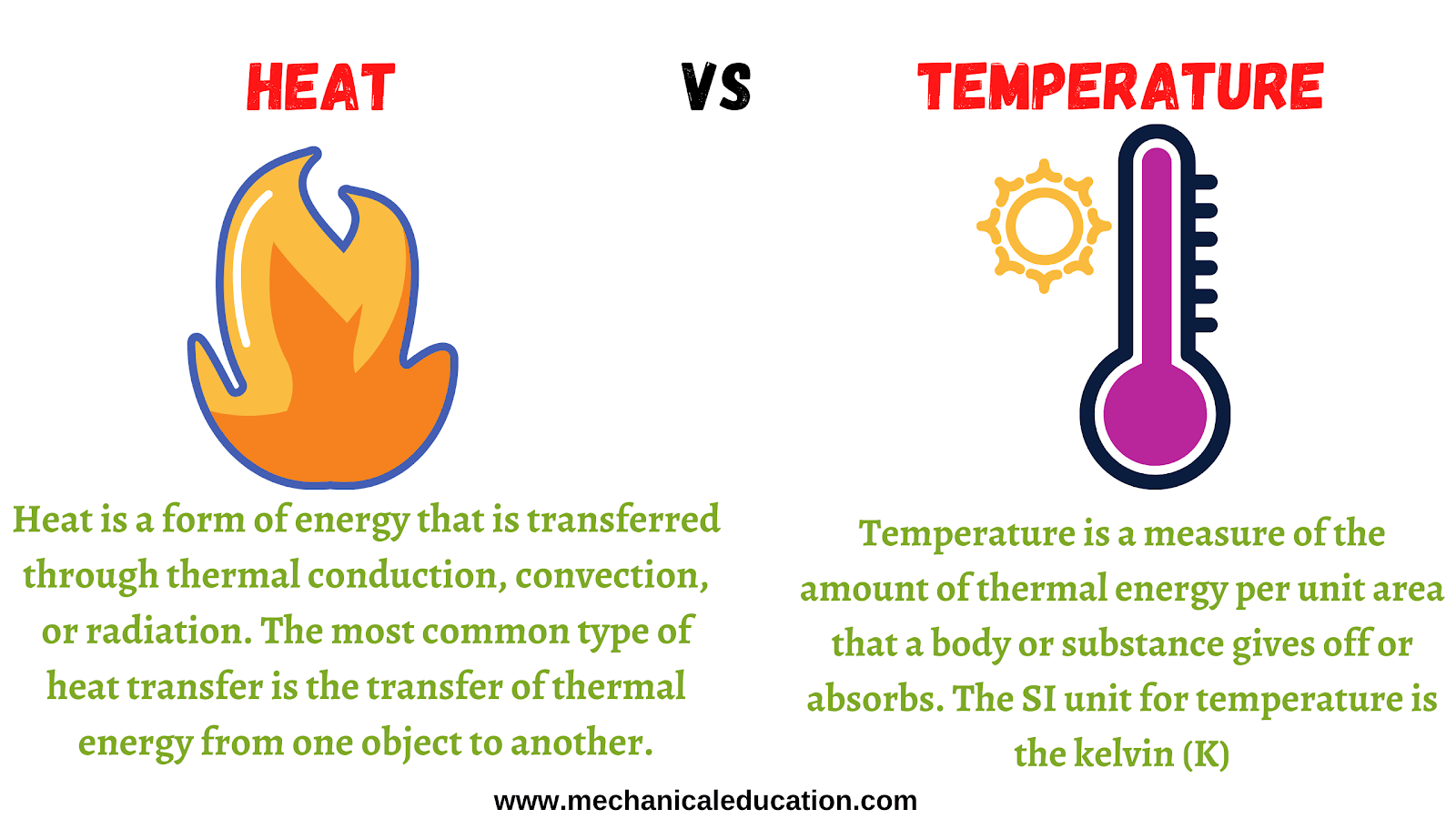
Let’s warm up with some inspiring examples! Think about the stunning artistry of glassblowers, who use immense heat to transform sand into delicate, vibrant creations. Or the ancient craft of blacksmithing, where intense thermal energy allows skilled artists to hammer and shape robust metal into intricate forms. In the kitchen, a baker masterfully uses heat to caramelize sugars and bake dough into delicious breads and pastries – each a small, edible masterpiece of thermal transformation. Even painting can capture the essence of heat, depicting the fiery reds and oranges of a sunset, or the subtle, inviting warmth emanating from a cozy hearth. Consider the variations: the direct heat of a flame (radiation), the way hot air rises (convection), or how a metal pan quickly conducts heat to your food (conduction) – each presents unique challenges and opportunities for creative expression and understanding.
Must Read
Ready to bring the heat (safely!) into your home exploration? Start simple. Boil some water and observe the steam (convection) and how the pot gets hot (conduction). Melt a square of chocolate in your hand versus on a warm plate (different rates of heat transfer). Light a candle (with adult supervision!) and feel the radiated warmth from its flame. You can even bake a simple batch of cookies, observing how the dough transforms in the oven's heat, browning and firming up into a delightful treat. Always remember, safety first when experimenting with heat: use oven mitts, keep flammable materials well away from open flames, and never leave cooking or heat sources unattended.
Ultimately, understanding thermal energy and heat isn't just about science; it's about appreciating the hidden magic in our everyday lives. It's the comforting warmth of a blanket on a cold night, the satisfying sizzle of a delicious meal cooking, or the invigorating heat of a sunny day that makes a beach trip perfect. It’s about feeling more connected to the world around you, understanding why things are the way they are, and perhaps, even finding new ways to create and innovate with this fundamental, fiery force. So go on, embrace the warmth, and let your curiosity ignite!