
What Is The Worst Greenhouse Gas
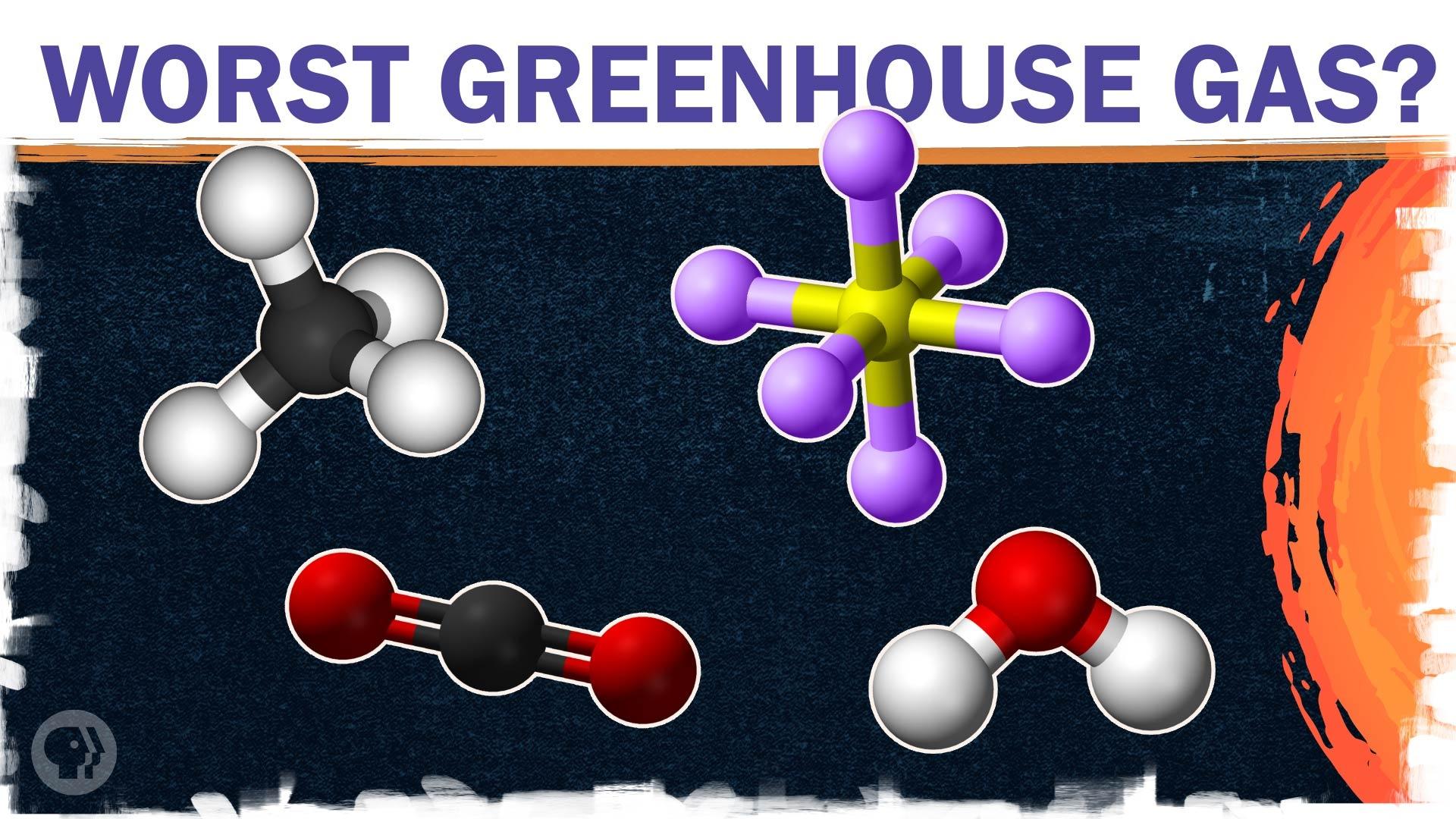
Ever notice how some days just feel a little… extra? Like the sun is giving you a giant, unavoidable hug, or a sudden downpour messes up your perfectly planned picnic? Well, behind some of those wild weather swings and warming trends, there's a bunch of invisible gases doing a rather important (and sometimes too important) job. We call them greenhouse gases, and they're like Earth's cozy blanket. But like any good blanket, too many layers can leave you sweating!
So, what's the deal with these invisible troublemakers? Imagine parking your car in the sun with the windows up. You come back, and it's a sauna, right? That's the greenhouse effect in a nutshell. Certain gases in our atmosphere let the sun's energy in, but then trap some of the heat trying to escape back into space. This is actually a good thing – without it, Earth would be a frozen, lifeless snowball. We need that natural warmth! But here's the kicker: humans have been adding a lot more blankets to the bed, and now our planet is starting to get a bit sweaty.
Meet the Granddaddy: Carbon Dioxide (CO2)
When people talk about the "worst" greenhouse gas, they're usually pointing fingers at Carbon Dioxide, or CO2. Now, CO2 isn't the strongest heat-trapper molecule for molecule, but it's the undisputed champion in terms of sheer volume and how long it sticks around. Think of it like this: CO2 is the guest at the party who arrives early, doesn't drink much, but then never leaves. It just hangs out for hundreds, sometimes even thousands, of years!
Must Read
Where does all this CO2 come from? Mostly, it's us! Every time we hop in the car for a road trip, flip a light switch, fire up the grill, or charge our phones to scroll through cat videos, we're likely burning fossil fuels (coal, oil, natural gas) to make it happen. Those big power plants, busy factories making our clothes and gadgets, and even our comfy home heating systems all exhale CO2 into the atmosphere. It's the byproduct of our modern, convenient lives. And because we've been doing this a lot since the industrial revolution, CO2 has accumulated like dust bunnies under the sofa, slowly but steadily warming things up.
So, while it might not be the loudest kid on the block, CO2 is the long-term heavyweight champion of warming. It's the slow, steady drip that eventually fills the bathtub.
:max_bytes(150000):strip_icc()/85757679-58b5c1bc5f9b586046c8ef2b.jpg)
The Speedy Sprinter: Methane (CH4)
But wait, there's another contender for the "worst" title, especially when we talk about short-term impact: Methane (CH4). If CO2 is the marathon runner, methane is the sprinter. It doesn't stick around as long as CO2 (about a decade vs. centuries), but while it's in the atmosphere, it's a much more potent heat-trapper – we're talking about 20-30 times stronger than CO2 over a 100-year period, and even more potent over shorter periods!
Where does this speedy gas come from? Well, get ready for some fun facts! A big chunk of it comes from… cows. Yes, those adorable, grass-munching creatures are actually quite gassy, burping methane as they digest their food. Methane also bubbles up from landfills where our food scraps and other organic waste are decomposing. Leaky natural gas pipelines are another source, as are certain agricultural practices like rice cultivation. So, those leftover veggies having a party in your bin, or a cow contemplating its next chew, are contributing to this powerful, fast-acting warming agent.
:max_bytes(150000):strip_icc()/521928855-58b5c1875f9b586046c8ee0e.jpg)
Methane is like that friend who bursts into the room with a lot of energy, makes a huge impression, and then dips out quickly. It delivers a big, immediate punch to our planet's thermostat.
Why Should We Even Care, Anyway?
Okay, so we've got the slow and steady heavyweight (CO2) and the quick-punching sprinter (Methane). But why should you care about these invisible gases and their atmospheric antics? Because it's not just about polar bears (though they're super cute and deserve our attention!), it's about our everyday lives!

Imagine your favorite ice cream melting before you can even take a proper bite. Or your beach vacation getting rained out by an unexpected storm, or your hiking trip becoming too sweltering to enjoy. These gases are messing with our planet's rhythm, leading to more extreme weather events, hotter summers, and unpredictable changes that impact everything from our food supply (think higher grocery bills!) to our infrastructure.
It's about making sure our kids and grandkids can enjoy the same beautiful world we do. Nobody likes a grumpy planet that throws temper tantrums with hurricanes or heatwaves! It's about preserving the little joys – like a perfect autumn day or a refreshing dip in a cool lake – that depend on a stable climate.

What Can We Do? (It's Easier Than You Think!)
Feeling a little overwhelmed? Don't! The good news is, understanding is the first step, and even small actions add up. We're not asking you to become a climate scientist overnight, just a mindful Earthling!
Want to tackle CO2? Try biking or walking instead of driving for short errands. Unplug chargers when they're not in use. Turn off lights when you leave a room. Support renewable energy options if you can. For methane, maybe try a meatless Monday, or make sure your food waste goes to compost instead of the landfill.
Every little bit helps turn down the thermostat and takes a blanket off our warming planet. We're all in this together, and making Earth happy again is a team effort. Let's make our shared home a comfy, just right temperature for everyone!