What Is The Wind Speed Near Me
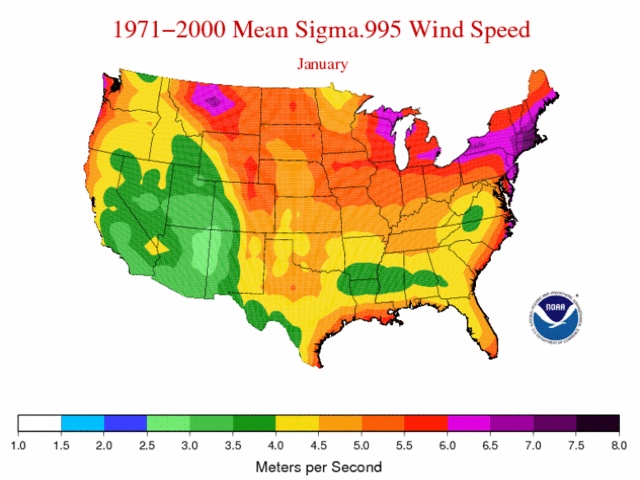
There's something incredibly primal and fascinating about the wind, isn't there? We feel it on our skin, hear it rustling through trees, and watch it whip clothes on a line. But beyond just experiencing it, have you ever paused to wonder, "What is the wind speed near me right now?" It might sound like a simple question, but delving into the answer can unlock a surprising amount of insight into our immediate environment, making everyday observations a little richer and more informed. It’s not just for meteorologists; understanding the wind around us is a fun, practical, and truly engaging way to connect with the world.
So, why bother knowing how fast the wind is blowing? The benefits are quite diverse! On a practical level, knowing the wind speed helps us plan our day more effectively. Thinking of a picnic or an outdoor gathering? High winds might mean a messy affair. Want to fly a kite or a drone? You'll need ideal conditions for lift and control. For those who enjoy gardening, strong gusts can wreak havoc on delicate plants, so awareness allows for timely protection or even a decision on whether to water. Beyond convenience, there's a significant element of safety. Being informed about strong winds and potential gusts can help you prepare for severe weather, securing outdoor furniture, or adjusting travel plans. Ultimately, it fosters a deeper appreciation for nature's forces and how they shape our local microclimates.
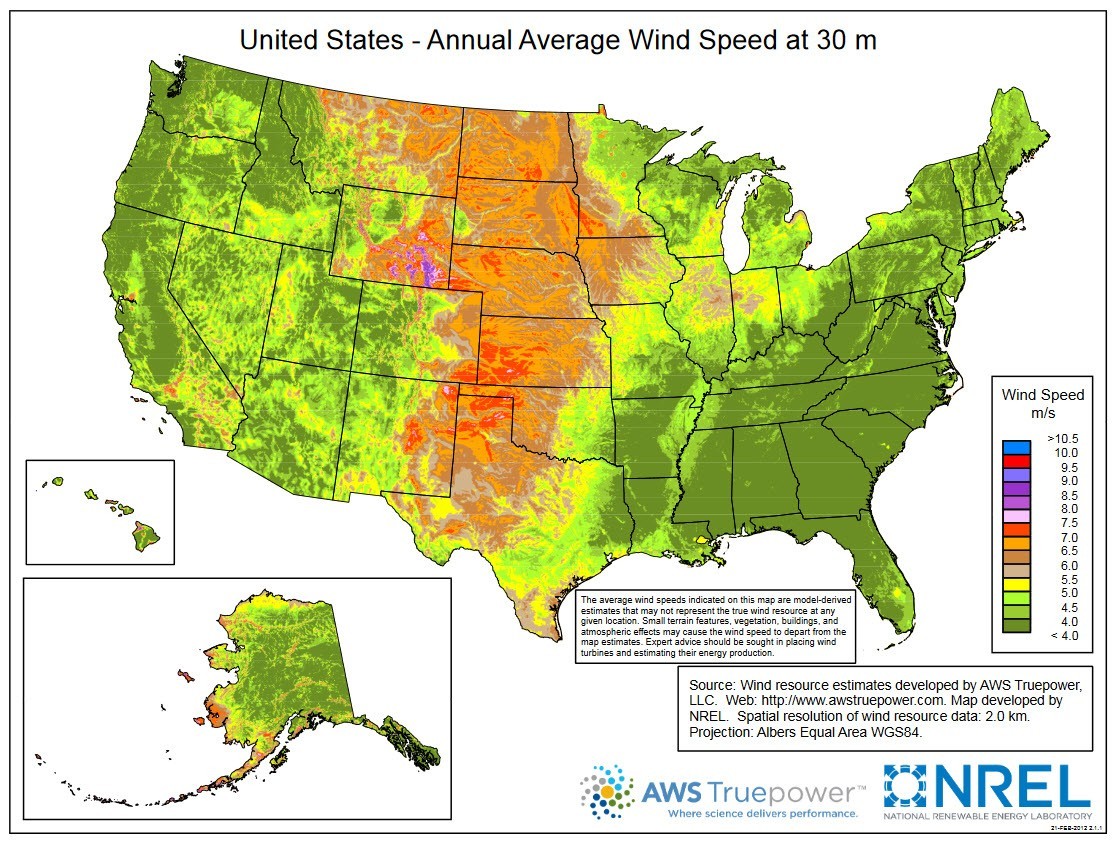
The applications for understanding local wind speeds stretch across many aspects of our lives. In daily life, it's about making smart decisions: checking if it's too windy to dry laundry outside, knowing whether your hat will stay on during a blustery walk, or deciding if it's safe to light an outdoor fire. For sports enthusiasts, particularly sailors, paragliders, or even golfers, precise wind data is absolutely crucial for performance and safety. In education, wind speed is a fantastic teaching tool. Kids can learn about basic physics through observing wind's effects, or track local weather patterns as part of a science project. Geography classes can explore how local topography influences wind corridors, while discussions about renewable energy often start with understanding the consistent wind speeds required for efficient wind turbines. It bridges the gap between abstract concepts and tangible environmental observations, making learning much more engaging.
Must Read
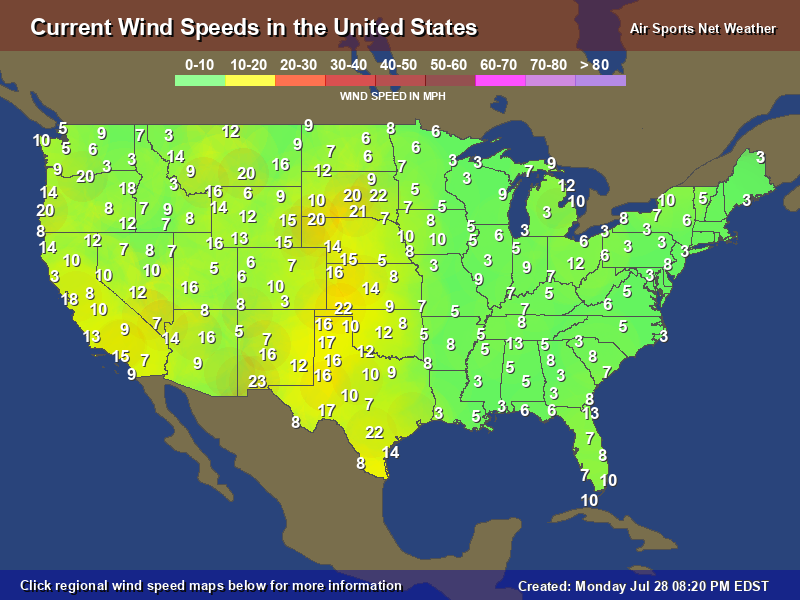
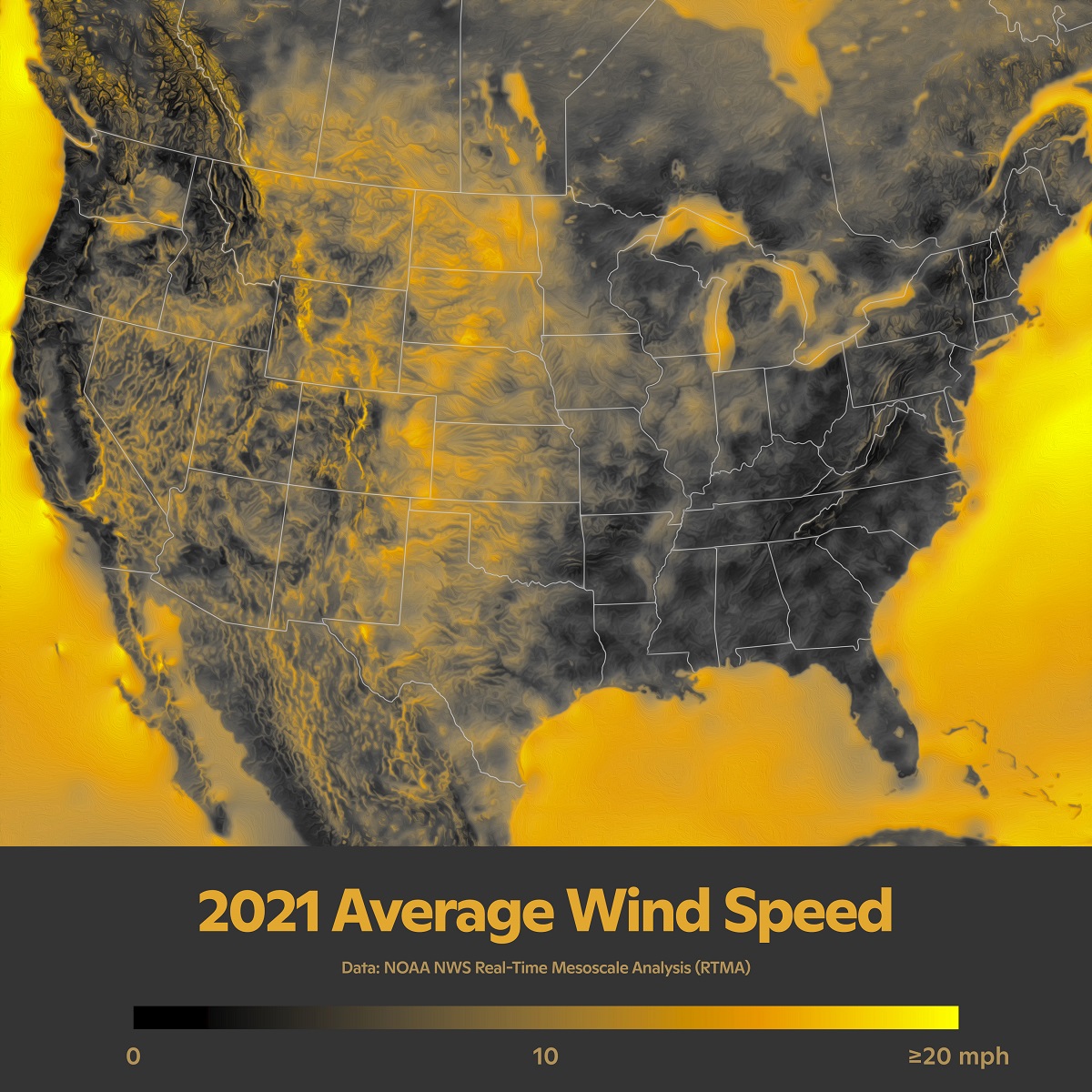
Curious to find out the wind speed near you? It's easier than you might think! The most straightforward method is to simply check your local weather app or website. Look for specific details like "wind speed" and "gusts" – gusts indicate short, sudden bursts of higher speed. Many smart home weather stations also provide real-time data, often integrated with local forecasts. For a more hands-on approach, consider investing in a personal anemometer – a small, handheld device that measures wind speed directly and can be surprisingly affordable and fun, especially for kids. But you don't even need technology! You can become a skilled observer. Watch how leaves rustle, how trees sway, or how smoke from a chimney behaves. The Beaufort scale, though formal, offers a simple guide to estimating wind speed based on observable effects on land and sea. So next time you feel a breeze, don't just feel it – start to understand it.