What Is The Wind Speed For A Category 5 Hurricane

Okay, so picture this: I’m on vacation in Florida (because who doesn't love humidity?) and the local news is suddenly all screaming about "Potential Tropical Cyclone Whatever-Number." My immediate thought? "Great, another reason to justify staying indoors and eating all the key lime pie." But then the meteorologist throws around the phrase "Category 5 Hurricane" like it's a casual Tuesday, and suddenly my key lime pie starts tasting a little less sweet. What is a Category 5 hurricane anyway? And, more importantly, should I be strategically positioning myself under the strongest table in the hotel?
That’s what got me thinking… we hear these terms all the time, but do we really know what they mean? Let's dive in, shall we?
The Scale of Destruction: Decoding Saffir-Simpson
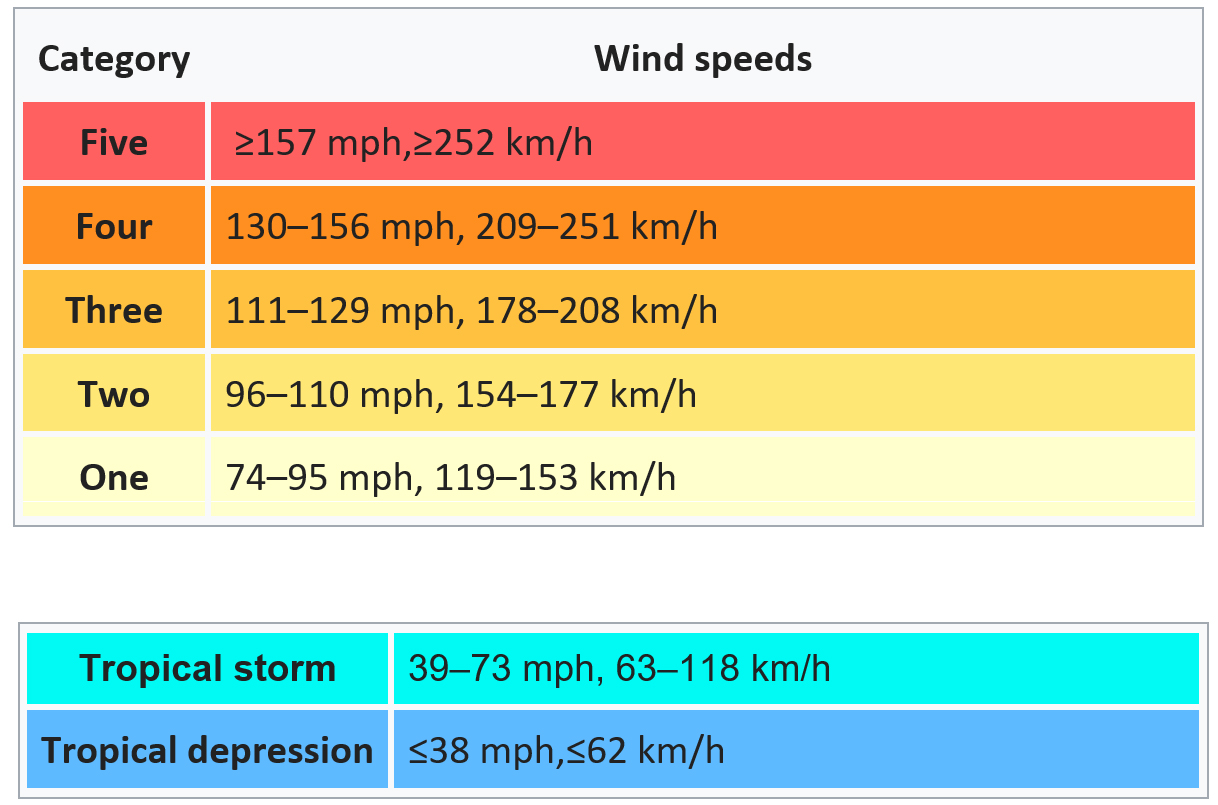
First things first, Category 5 is part of the Saffir-Simpson Hurricane Wind Scale. Think of it as a handy-dandy measuring stick for how much Mother Nature is about to throw at you. This scale, helpfully, ranks hurricanes from 1 to 5 based solely on their maximum sustained wind speeds. That's right, just wind! Things like storm surge and rainfall are important, but they aren't factored into the category number.
Must Read
Now, before we get to the Big Kahuna (that’s the Category 5, BTW), let’s take a quick detour down the hurricane hierarchy:
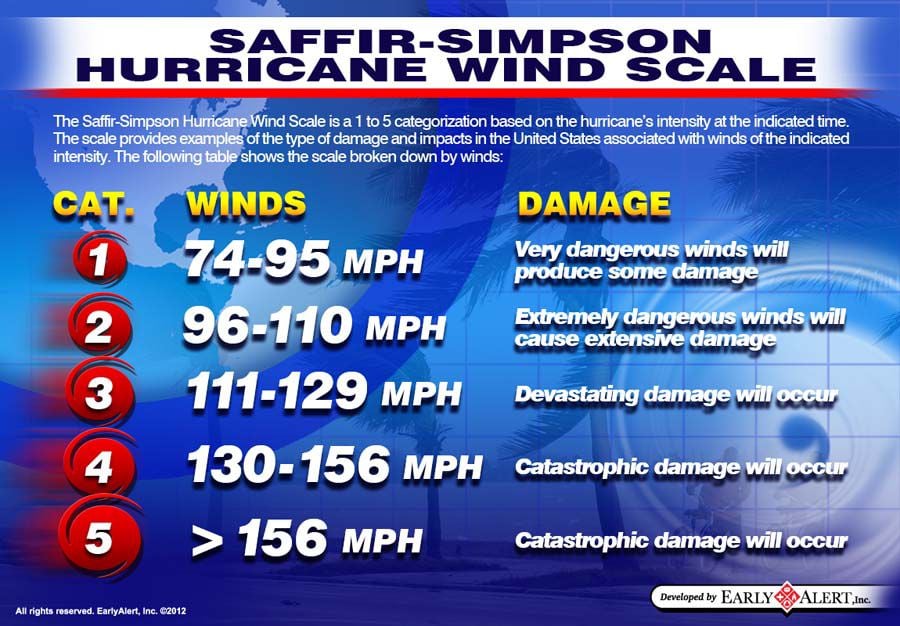
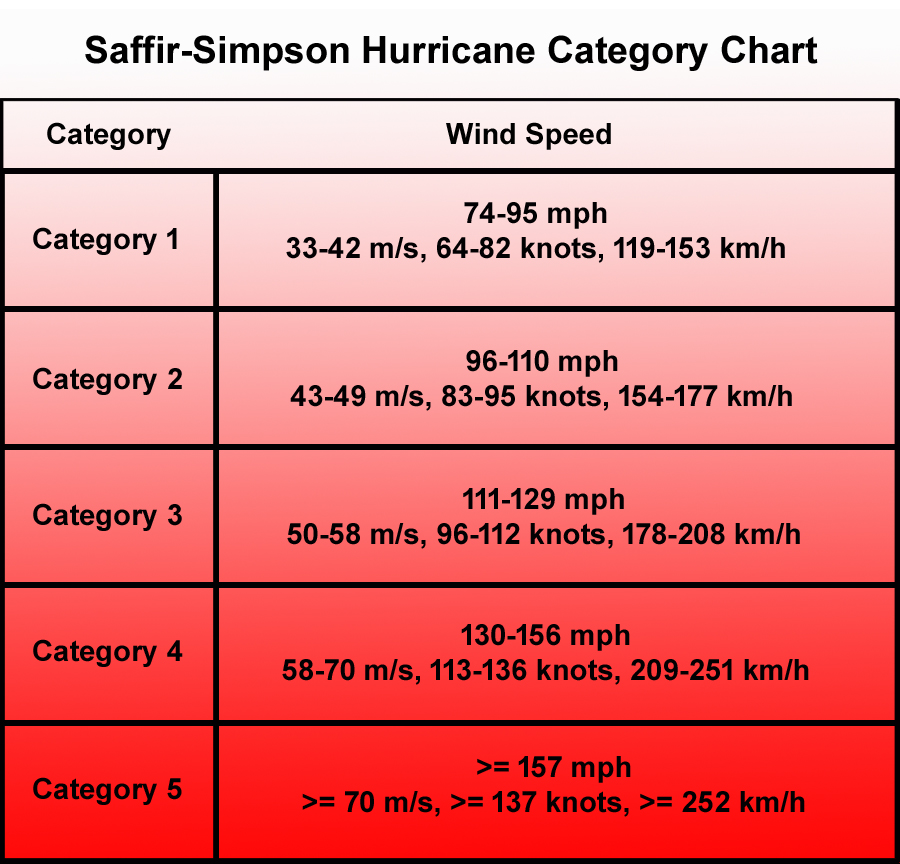
- Category 1: 74-95 mph (That's "take the patio furniture inside" wind)
- Category 2: 96-110 mph (Trees might start to get a little nervous)
- Category 3: 111-129 mph (Now we're talking "significant damage")
- Category 4: 130-156 mph (Expect some serious power outages)
See? Relatively straightforward. Each jump in category means a significant increase in potential damage. But then… there's Category 5.
The Wind Speed of a Category 5 Hurricane: Brace Yourself
Alright, drumroll please… A Category 5 hurricane boasts maximum sustained winds of 157 mph or higher. Yes, you read that right. One hundred and fifty-seven miles per hour. That’s faster than some race cars! (Okay, maybe not actual race cars, but you get the idea.)
Let me put that into perspective. Imagine standing on a beach. Now imagine a really, really, really strong fan pointed directly at you. Now multiply that by, oh, let's say... a thousand? You're starting to get close to the sheer force of a Category 5 hurricane.
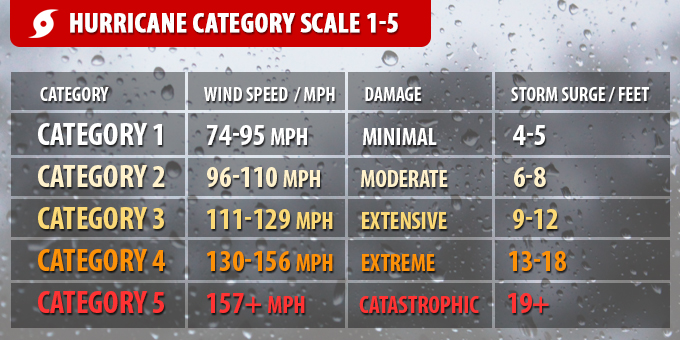
The National Hurricane Center describes the potential damage from a Category 5 as catastrophic: "A high percentage of framed homes will be destroyed, with total roof failure and wall collapse. Fallen trees and power poles will isolate residential areas. Power outages will last for weeks possibly months. Most of the area will be uninhabitable for weeks or months."
Charming, isn't it? (I'm being sarcastic, in case that wasn't clear.)
More Than Just Wind: The Other Players
While wind speed is the key defining factor for the Category 5 designation, it's important to remember that these storms are complex beasts. They also bring:
- Storm Surge: A wall of water that can inundate coastal areas (This is often the biggest killer in hurricanes)
- Heavy Rainfall: Leading to flooding (Remember, fresh water is very dangerous at high speed.)
- Tornadoes: Because why not add another layer of chaos?
So, even if your house is built to withstand 157 mph winds, the storm surge or flooding could still cause serious problems.
The Takeaway (and My Key Lime Pie Update)
In short, a Category 5 hurricane is nothing to mess with. The wind speeds alone are incredibly destructive, and the associated storm surge, rainfall, and tornadoes only amplify the danger. When you hear about a Category 5, it's time to take serious precautions. (Like, really serious.)
As for me in Florida? Luckily, the "Potential Tropical Cyclone Whatever-Number" downgraded to a tropical storm and I was able to enjoy my key lime pie in relative peace. But I definitely learned my lesson: Knowing what these categories mean can make all the difference when deciding whether to hunker down or head for higher ground. And, if you’re ever in doubt, always err on the side of caution. After all, there’s always more key lime pie to be eaten another day!