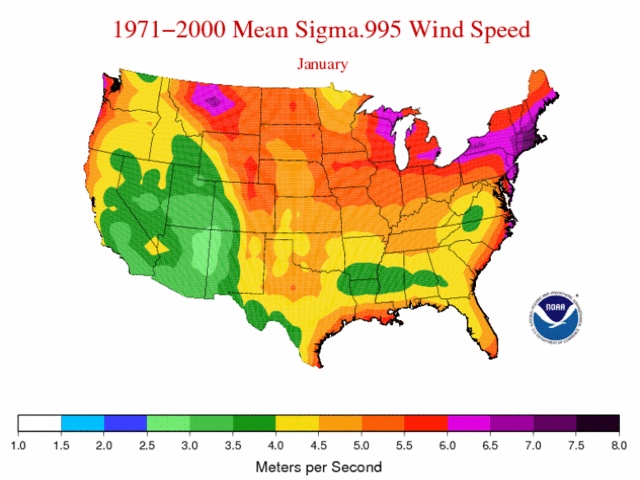
What Is The Wind Speed At My Current Location
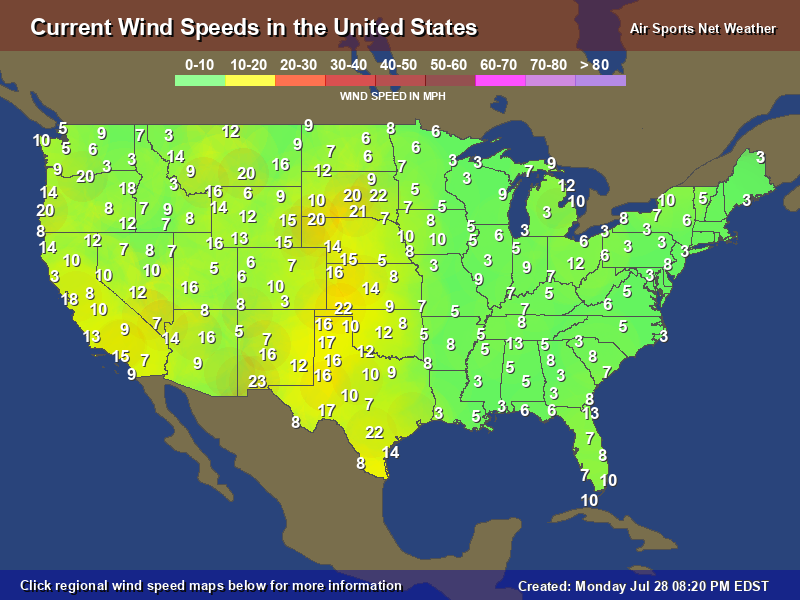
Ever felt like you're wrestling with an invisible force when you step outside? Or maybe you're planning a picnic and want to make sure your sandwiches don't become airborne? Understanding the wind speed at your current location is more than just a weather report – it's a superpower! Okay, maybe not actual superpowers, but you get the idea. Let's dive in!
Why Should You Care About Wind Speed?
Seriously, why should you care? Well, for starters, knowing the wind speed can significantly impact your day. Think about it:
- Outdoor Activities: Planning a bike ride? A breezy day might be refreshing, but a gale could turn your cycling adventure into a serious workout (and not in a good way!). Kite flying? You need some wind, but too much and your kite might end up in another state!
- Safety First: High winds can be dangerous. Fallen branches, power outages, and even structural damage are all possibilities during strong wind events. Staying informed allows you to prepare and stay safe. Plus, knowing when to bring in those patio umbrellas!
- Saving Energy: Believe it or not, wind speed can affect your heating and cooling costs. Strong winds can increase heat loss from your home in the winter, and make it feel cooler in the summer, potentially impacting how much you crank up the thermostat (or AC!).
- Just Plain Curiosity: Okay, maybe not everyone is as fascinated by weather as I am (I plead guilty!), but understanding the forces of nature around you is just plain cool! It's like having a secret decoder ring for the world outside your window.
So, How Do You Find Out the Wind Speed?
Alright, enough talk about why – let’s get to the how! Luckily, finding the wind speed at your current location is easier than ever. You don't need to be a meteorologist, or even own a fancy weather vane. Here are a few options:
Must Read
Your Smartphone is Your Friend
Seriously, your phone is a weather-predicting, wind-speed-detecting machine! Most smartphones come equipped with a weather app. These apps usually provide real-time wind speed information for your current location. Just open the app and look for the wind speed reading, often displayed in miles per hour (mph) or kilometers per hour (km/h).
Weather Websites and Apps Galore!
Beyond the default weather app, there's a whole universe of weather websites and apps dedicated to providing detailed weather information. Some popular options include:
- AccuWeather: Known for its MinuteCast feature, which provides minute-by-minute precipitation forecasts, and of course, wind speed.
- The Weather Channel: A classic for a reason! Offers comprehensive weather information, including wind speed, direction, and gusts.
- Weather Underground: A favorite among weather enthusiasts, providing access to a network of personal weather stations for hyper-local conditions.
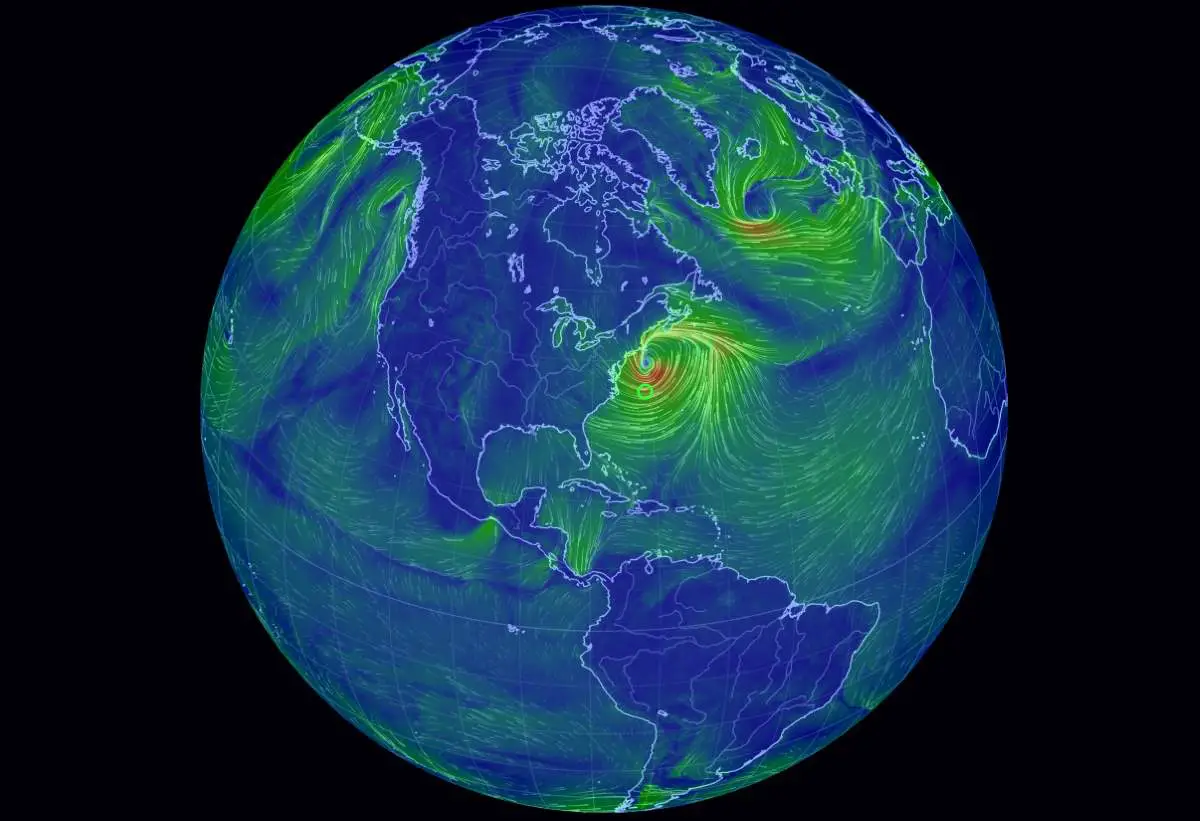
- Windy.com: If you're really into wind, this is your go-to. It provides incredibly detailed wind maps and forecasts. Perfect for surfers, sailors, and anyone fascinated by atmospheric dynamics.
Look Around! (The Observational Approach)
While technology is great, sometimes the best way to gauge wind speed is to simply look around! Pay attention to these visual cues:
- Leaves and Small Twigs in Constant Motion: A gentle breeze.
- Small Branches Moving: A moderate breeze.
- Large Branches Moving, Whistling in Wires: A strong breeze.
- Whole Trees Moving, Difficulty Walking: A gale! (Time to head inside!).
Of course, this is a rough estimate, but it can give you a general sense of the wind speed without even needing your phone. It's a good skill to cultivate, especially if you're out in nature!

Understanding the Numbers (and Letters!)
Okay, you've found the wind speed, but what does it mean? Here's a quick breakdown:
- Calm (0-1 mph): Smoke rises vertically. Ah, peaceful!
- Light Air (1-3 mph): Smoke drifts, you can feel a slight breeze on your face.
- Light Breeze (4-7 mph): Leaves rustle, small flags wave.
- Gentle Breeze (8-12 mph): Leaves and small twigs are in constant motion.
- Moderate Breeze (13-18 mph): Small branches move, dust and paper rise.
- Fresh Breeze (19-24 mph): Small trees sway.
- Strong Breeze (25-31 mph): Large branches move, whistling in the wires.
- Near Gale (32-38 mph): Whole trees move. Inconvenient walking against the wind!
- Gale (39-46 mph): Twigs break off trees, minor structural damage possible.
- Strong Gale (47-54 mph): Some structural damage, chimney pots and slates removed.
- Storm (55-63 mph): Widespread structural damage.
- Violent Storm (64-73 mph): Significant widespread damage.
- Hurricane (74+ mph): Devastating damage.
Remember that these are just general guidelines. The actual impact of the wind will depend on other factors, such as the terrain, the presence of buildings, and the type of vegetation. Always use common sense and err on the side of caution.
Embrace the Wind!
So, there you have it! Knowing the wind speed at your current location is a simple yet powerful tool that can help you plan your day, stay safe, and appreciate the wonders of nature. It's a small piece of the puzzle, but it can make a big difference. Now go forth, check that wind speed, and make the most of your day! Whether you're chasing kites on a breezy afternoon or hunkering down during a storm, you'll be prepared and informed. And who knows, maybe you'll even start paying more attention to the clouds. (Cloud-gazing is surprisingly relaxing, by the way!).
This is just the beginning! The world of meteorology is fascinating and ever-evolving. Don't be afraid to explore further, learn more, and deepen your understanding of the forces that shape our planet. You might just become the next great weather forecaster!