
What Is The Unit Used To Measure Electrical Current
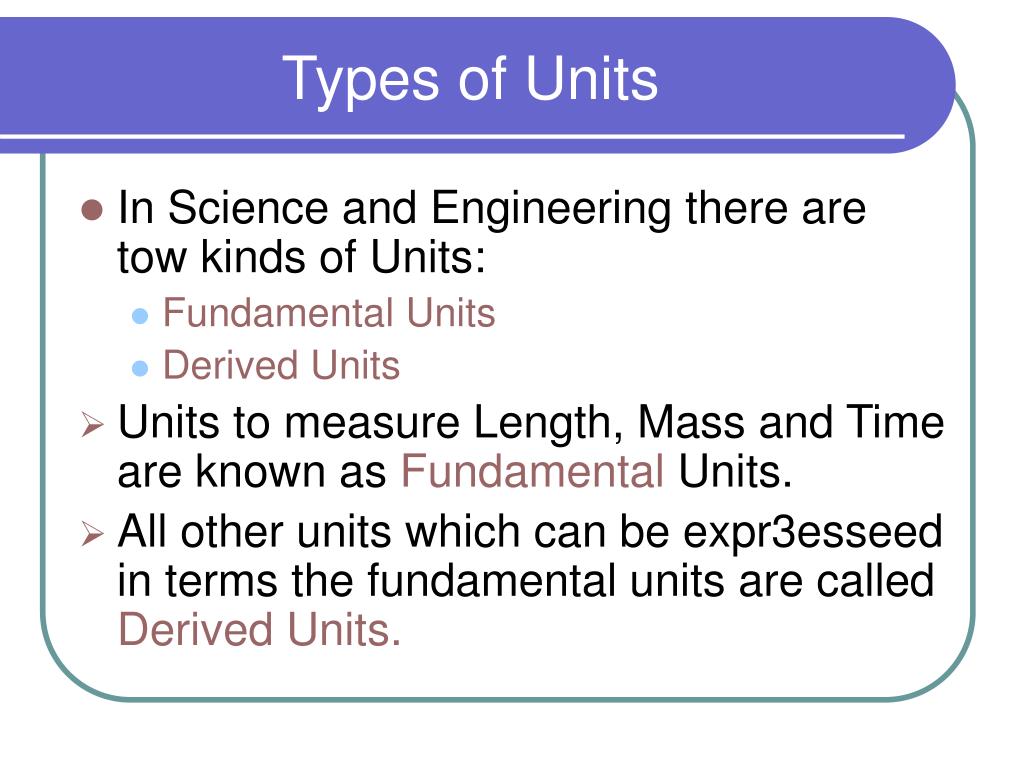
Ever wonder what powers your phone, lights your room, or keeps your fridge humming? It all comes down to electricity, that invisible force that's as crucial to modern life as, well, oxygen. But how do we measure this essential energy? The answer, my friend, is the ampere, often shortened to amp. Think of it as the electrical equivalent of gallons per minute for water flowing through a pipe.
Amps: The Flow of Electrical Charge
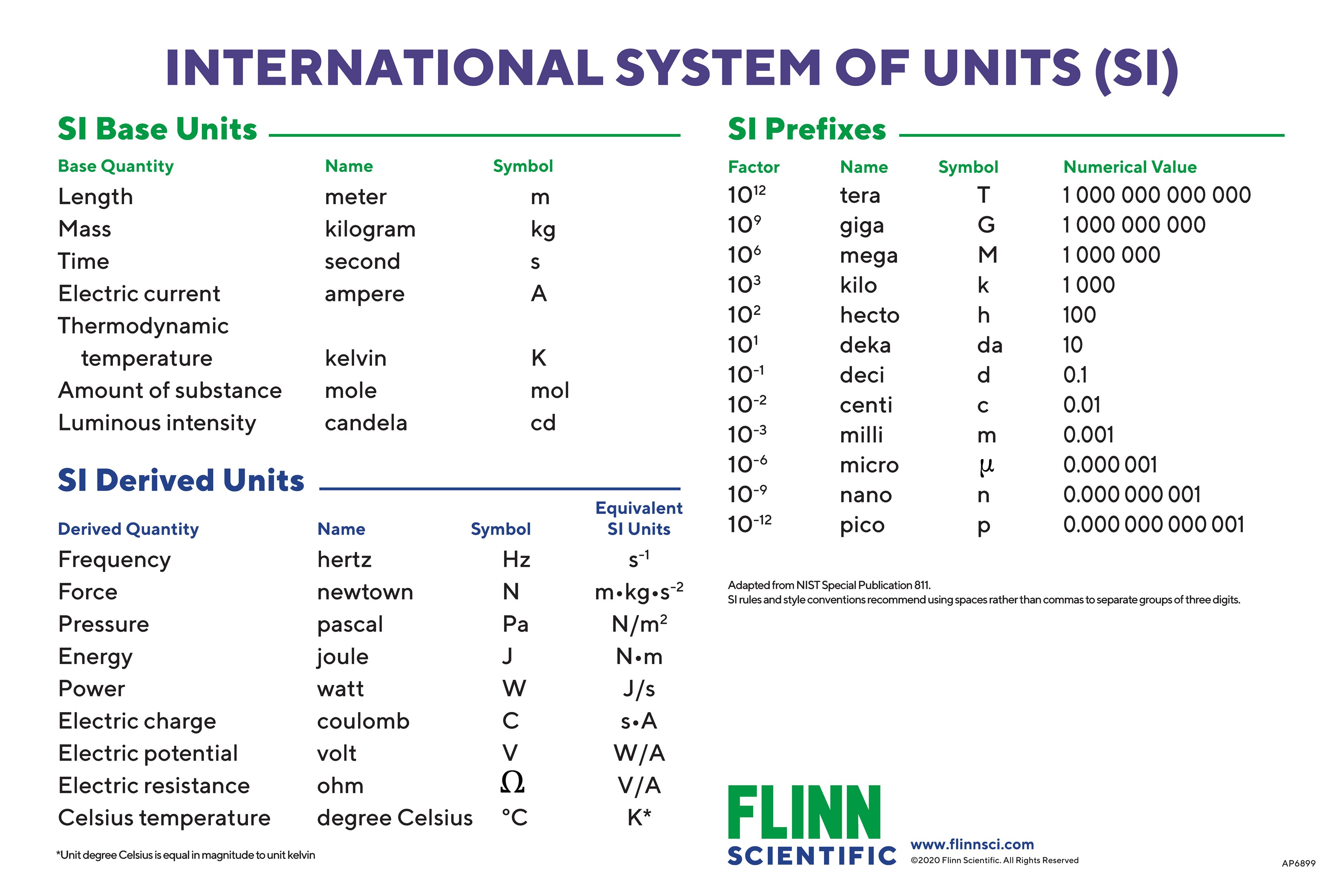
Simply put, an amp measures the rate of electrical current flow. More precisely, one amp is defined as one coulomb of electrical charge flowing past a point in one second. Now, don't worry about getting bogged down in the technical details of coulombs! Just remember that a higher amp value means more electrical charge is zipping through a circuit.
Imagine a crowded highway. The number of cars passing a certain point each minute is analogous to the number of electrons passing a point in a circuit each second. More cars, more traffic; more electrons, more amps!
Must Read
A Brief History: From Observation to Standard
The ampere is named after André-Marie Ampère, a brilliant French physicist and mathematician. Back in the early 19th century, Ampère was one of the pioneers in the study of electromagnetism. He laid the groundwork for understanding the relationship between electricity and magnetism, and his name was immortalized when the unit of electrical current was officially named in his honor.
Fun fact: Before the modern definition, the ampere was originally defined based on the amount of current needed to deposit a certain amount of silver from a silver nitrate solution in a specific time. Talk about a silver lining!

Amps in Everyday Life: Practical Applications
You encounter amps every single day, often without even realizing it. Check the label on your electronic devices, like your phone charger or your hair dryer. You'll see a voltage rating (usually in volts, V) and a current rating (in amps, A). This tells you how much electrical current the device needs to operate correctly.
Why is this important? Because overloading a circuit can be dangerous. Each circuit in your home has a maximum current it can safely handle, typically controlled by a circuit breaker. If you plug too many high-amp appliances into the same circuit, you could trip the breaker, plunging you into darkness. No one wants that during movie night!
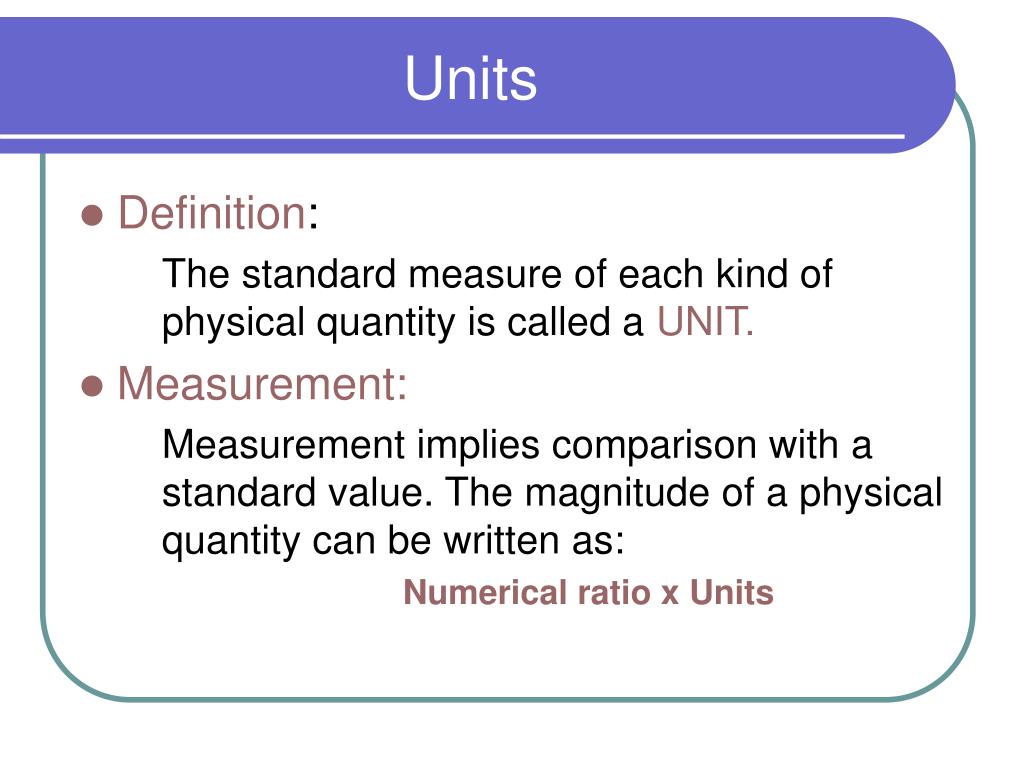
Practical Tip: Before plugging in a new appliance, take a look at its amp rating and consider the other devices already using that circuit. A little planning can save you from a lot of frustration (and potential electrical hazards).
Amps, Watts, and Volts: The Electrical Trinity
Amps don't work alone. They're part of a team with volts and watts to tell the complete story of electrical power. Think of it this way:
- Volts (V): Electrical pressure or "push"
- Amps (A): Electrical current or "flow"
- Watts (W): Electrical power or "work"
The relationship between them is expressed by the simple equation: Watts = Volts x Amps. This means you can calculate the power consumption of a device if you know its voltage and current ratings. For example, a 120V appliance that draws 2 amps consumes 240 watts of power (120V x 2A = 240W).
Understanding this relationship can help you make informed decisions about energy consumption and save money on your electricity bill. Think of it as your own personal superpower against energy waste!

Beyond the Basics: Microamps and Kiloamps
The ampere scale can be adjusted with metric prefixes, depending on the amount of current being measured. For very small currents, we use milliamperes (mA), which are one-thousandth of an amp, or microamperes (µA), which are one-millionth of an amp. These are common in sensitive electronic circuits.
On the other end of the spectrum, we have kiloamperes (kA), which are thousands of amps. These are found in high-power applications like industrial machinery, lightning strikes, and welding equipment. Imagine the power!
A Current Reflection
The ampere, a seemingly simple unit, plays a crucial role in our increasingly electrified world. From the tiny trickle of electricity powering your smartwatch to the massive surge that starts your car, understanding amps helps us navigate and appreciate the power that shapes our daily lives. So, the next time you flip a switch or plug in your phone, take a moment to acknowledge the humble amp, the unsung hero of modern convenience. It's the flow that keeps us going.