
What Is The Unit For Stress
Ever felt that familiar knot in your stomach, or a tension in your shoulders? That's what we usually call stress. It's the feeling you get when deadlines loom, or when you're stuck in traffic and running late.
We all know this kind of stress intimately. It's an everyday part of life, sometimes overwhelming, sometimes just a minor hum in the background. But what if I told you there's another kind of stress, one that buildings, bridges, and even your coffee mug experience?
This isn't about emotional turmoil or worried thoughts. This is about physical stress, the kind that engineers and scientists talk about. It's about how much push, pull, or twist a material can handle before it changes shape or, well, breaks.
Must Read
The Other Kind of Stress
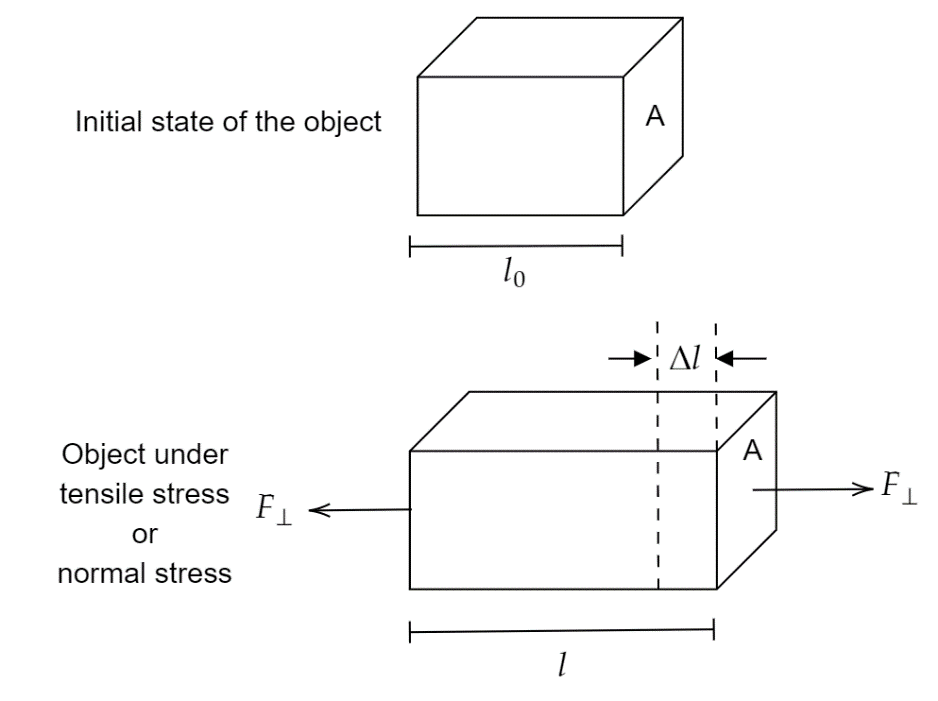
Imagine a mighty skyscraper standing tall against the wind. Or think of a tiny paperclip being bent back and forth. Both are experiencing physical stress. It's a measure of the internal forces within an object.
When you sit on a chair, the chair's legs experience stress from your weight. When a strong gust of wind hits a tree, the tree's trunk experiences stress. Understanding this helps us build things that last and stay safe.
Engineers need to know exactly how much stress a material can withstand. This knowledge ensures our cars are safe, our bridges don't collapse, and our phone screens don't crack too easily. It's a critical concept in the world of design and construction.
But how do you measure something like that? What unit could possibly capture the idea of an invisible internal struggle within a material? The answer, surprisingly, takes us back in time to a brilliant mind.
Enter Our Hero: The Brilliant Blaise
Our story begins in 17th-century France with a true polymath named Blaise Pascal. Born in 1623, Pascal was a child prodigy whose genius shone bright from a very young age. He was solving complex geometry problems before he was even a teenager!
Pascal wasn't just good with numbers; he was a deep and curious thinker. He explored the mysteries of the natural world, fascinated by concepts like vacuums, pressure, and the very air we breathe. His work laid foundations for many fields of science.
One of his most famous contributions involved understanding atmospheric pressure. He reasoned that air had weight and that this weight would be less at higher altitudes. To prove it, his brother-in-law carried a barometer up the Puy-de-Dôme mountain.
"Man is but a reed, the most feeble thing in nature; but he is a thinking reed."
This groundbreaking experiment, conducted in 1648, confirmed his hypothesis. It dramatically changed how people understood the atmosphere, proving that the air wasn't just empty space, but a tangible force exerting pressure. This was a monumental shift in scientific understanding.
Pascal's insights into pressure were revolutionary. He understood that forces applied to fluids behave in predictable ways, leading to what we now call Pascal's Law. This law explains everything from how hydraulic jacks lift heavy cars to how toothpaste squeezes out of a tube.
He wasn't content with just theoretical understanding. Pascal was also an inventor. He created an early mechanical calculator, the Pascaline, to help his father with tax calculations. Imagine that! A brilliant mind applying itself to both abstract philosophy and practical engineering.
So, What's the Unit?
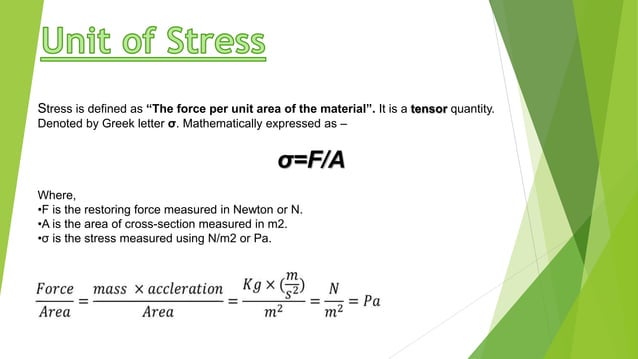
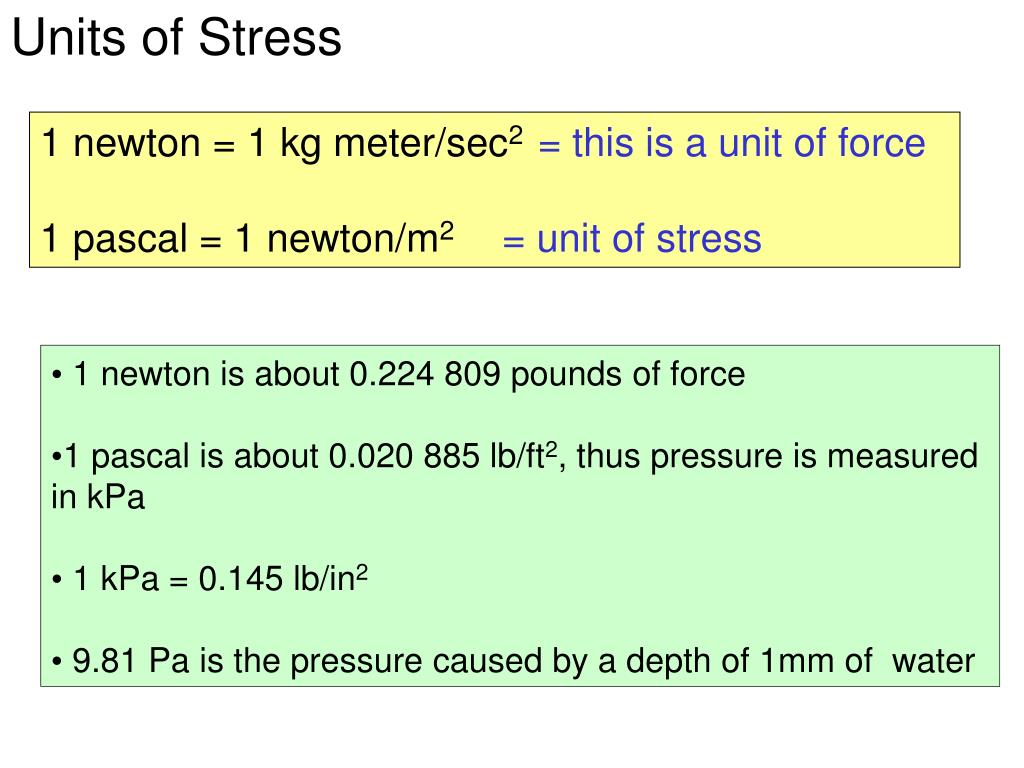
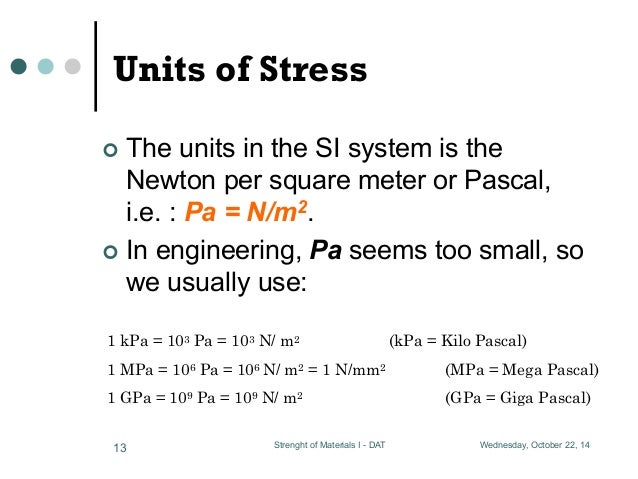
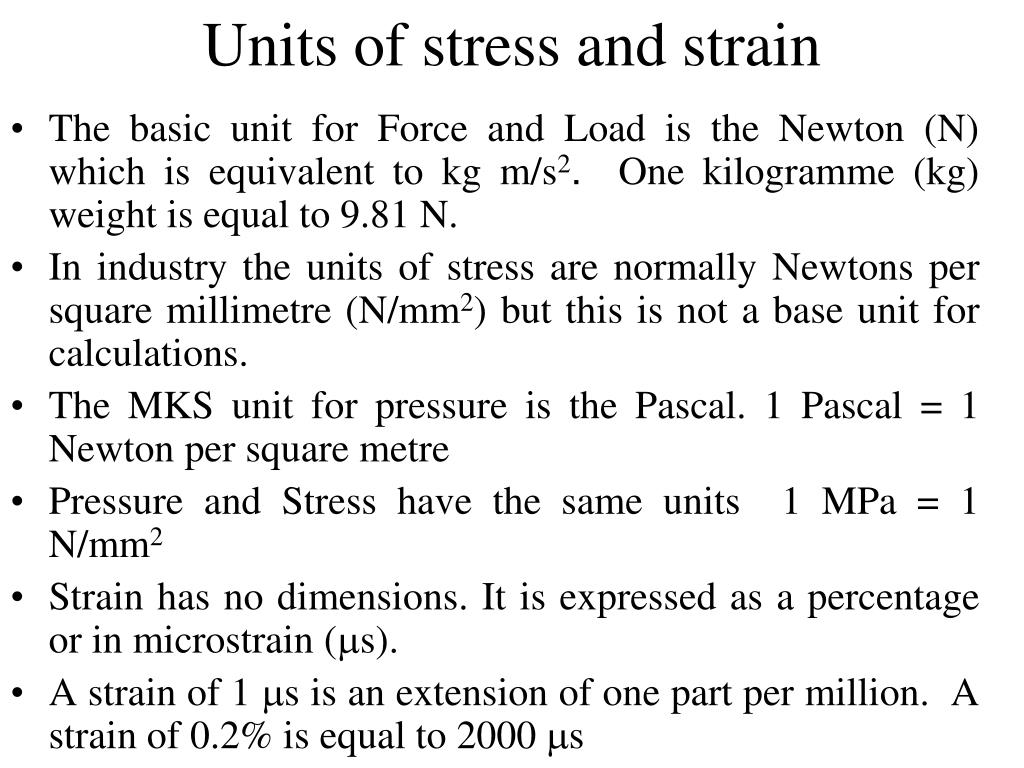
Fast forward to today, and we use a special unit to measure physical stress and pressure. This unit directly honors the man who helped us understand these concepts so profoundly. The unit for stress is the Pascal, often abbreviated as Pa.
The Pascal represents a force spread over a specific area. Think of it like this: if you push a thumbtack with your thumb, the force from your thumb is concentrated on the tiny point of the tack. That tiny area experiences immense pressure, or stress, even if your thumb isn't pushing that hard overall.
Technically, one Pascal is equal to one Newton of force distributed over one square meter of area. But you don't need to get bogged down in those specifics. The key is understanding it's about how much "squish" or "stretch" is packed into a given space.
Isn't that a fun twist? The unit for something that can literally break things – like the stress on a bridge girder or a car axle – is named after Blaise Pascal. This was a man known more for his deep thoughts, religious philosophy, and calculating machines than for smashing objects!
It’s almost a little humorous, isn't it? The unit for physical stress, which can lead to cracks and collapse, bears the name of a person who perhaps experienced much mental stress grappling with the great questions of life and the universe. The irony is quite charming.
Pascal's Legacy Beyond Numbers
Pascal’s life was short, ending when he was just 39, but his impact was monumental. Beyond physics and mathematics, he left behind a collection of profound philosophical writings known as Pensées, or "Thoughts." These reflections delve into the human condition, faith, and reason.
He explored questions about our place in the cosmos, the nature of belief, and the limits of human understanding. His philosophical work is still studied and revered today, showcasing the incredible breadth of his intellect.
So, when an engineer talks about the stress on a material, and mentions a certain number of Pascals, they are unwittingly invoking the name of a philosopher, a theologian, a mathematician, and an inventor. It’s a wonderful reminder that science isn’t just about cold, hard facts.
It's about human curiosity, brilliant insights, and the enduring legacy of those who dared to ask "why?" and "how?" It connects the very physical world of structures and forces to the profound world of human thought and ingenuity.
The next time you see a building under construction or read about a material’s strength, remember the Pascal. It’s not just a unit; it's a tiny tribute to a giant of intellect.
A Unit with a Story
Every scientific unit, from the Meter to the Volt, carries a story within its name. They are often tributes to the brilliant minds who pushed the boundaries of human knowledge. The Pascal is a particularly delightful example.
It reminds us that even in the seemingly dry world of physics, there are fascinating human stories. These stories are full of curiosity, experimentation, and sometimes, a little bit of unexpected irony.
So, the next time you feel a bit stressed out, remember that even inanimate objects experience their own kind of stress, measured by a unit named after a truly remarkable individual. Perhaps it gives a new perspective, a connection between our internal world and the external forces that shape everything around us.
Finding the Fun in Physics
Who knew that the unit for stress could lead us down such an interesting historical path? It’s a testament to the fact that science is full of hidden gems and surprising connections, just waiting to be discovered.
So, give a little nod to Blaise Pascal next time you encounter the concept of stress, whether it's on a grand bridge or a small cup of coffee. It’s a unit that truly has a fascinating story to tell.
It turns out that even the most technical terms can have a rich, human narrative. And sometimes, the unexpected juxtaposition of a philosopher's name with a measure of physical strain is precisely what makes science so utterly charming.