
What Is The Ultimate Energy Source For Most Wind
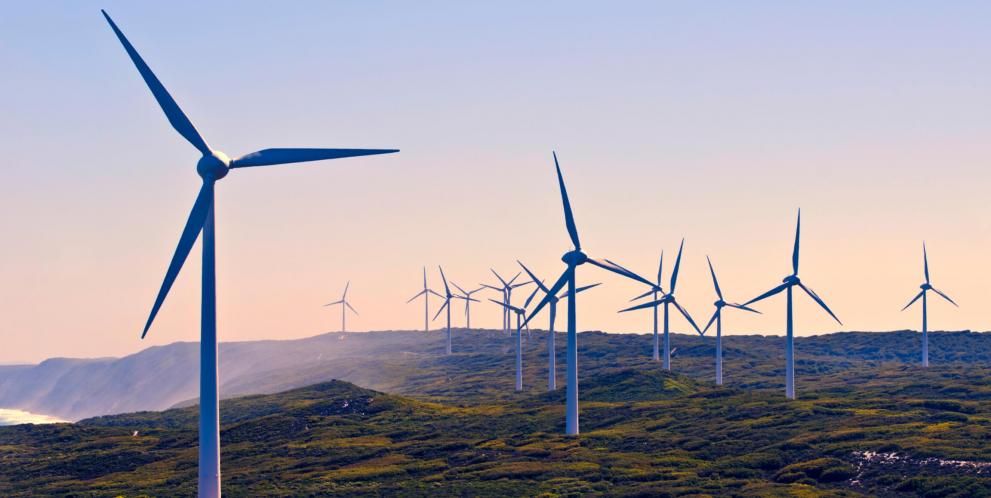
Hey there, wind enthusiast! Ever wonder what really gets those turbines spinning? I mean, beyond, you know, the actual wind? Grab your metaphorical coffee, because we're about to dive in.
So, you’re probably thinking, "Duh, the wind is the energy source!" And you're not wrong, exactly. But where does the wind come from? It’s like asking where babies come from (storks excluded, of course!). There's a bit more to the story.
The Sun: Our Star of the Show
Okay, drumroll please... the ultimate energy source for most wind is... (wait for it)... the sun! Yup, that big ball of fire in the sky. Surprised? Maybe not. It's responsible for pretty much everything good, right? Except maybe sunburns. We can't blame the wind for those, can we?
Must Read
But how does sunshine turn into wind? Good question! It’s actually a fairly simple chain of events, though the details can get a bit physics-y if you let them. Don’t worry, we'll keep it breezy (pun intended!).
Think of it this way: The sun heats up the Earth. But, crucially, it doesn't heat it up evenly. Land heats up faster than water, dark surfaces heat up faster than light ones. So, you get these pockets of warm air all over the place. Imagine your car's dashboard on a summer day...ouch!

Warm air is less dense than cold air (remember that from science class?). It rises. And when it rises, cooler air rushes in to take its place. Guess what that rushing air is? You got it: Wind! It's like a never-ending game of musical chairs, only with air molecules and temperature differences.
Uneven Heating: The Wind's Secret Sauce
That uneven heating thing is super important. No uneven heating, no temperature differences. No temperature differences, no air rushing around. No air rushing around… no wind! Pretty straightforward, right?
So, the sun's energy is converted into thermal energy (heat). That thermal energy creates pressure differences in the atmosphere. And those pressure differences cause the air to move. And that moving air? BAM! Wind.

Of course, there are other factors at play too. Things like the Earth's rotation (the Coriolis effect, if you want to get fancy!), land formations, and even large bodies of water can influence wind patterns. Think of it as adding extra ingredients to the wind soup! But the sun is the main stock.
Local vs. Global Winds
We’ve mostly been talking about local winds, the kind that might make your hair blow around on a summer afternoon. But the sun also drives larger, global wind patterns. Think about the trade winds that sailors used to rely on way back when. Those are all powered by the same solar energy, just on a much grander scale. Pretty impressive, huh?

So next time you see a wind turbine gracefully spinning, remember to thank the sun! It's the ultimate, behind-the-scenes power source making it all happen. It’s like the stage manager for the wind's performance!
And while we're at it, maybe thank the Earth for being all lumpy and uneven, too. Without its varied terrain, we wouldn’t have those temperature differences driving the wind in the first place! Teamwork makes the dream work, right?
Now, if you'll excuse me, all this talk about wind has made me want to go fly a kite. Or maybe just stand outside and let the breeze tousle my hair. You should try it sometime! It’s a great way to appreciate the power of the sun... and the magic of wind.
