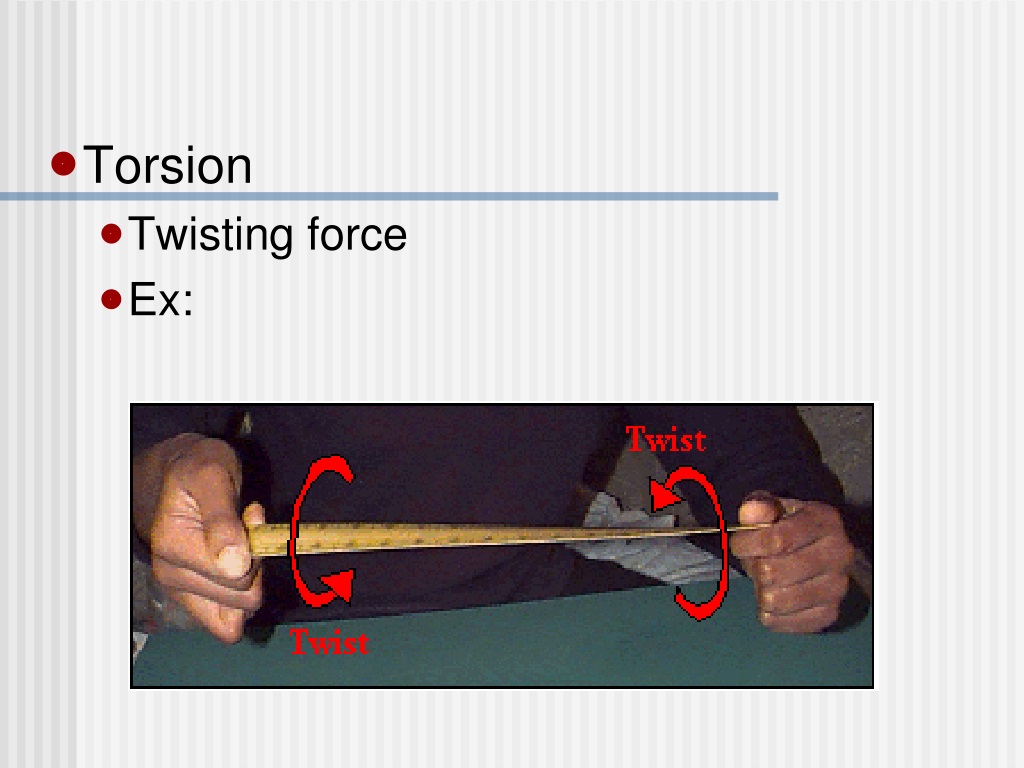
What Is The Twisting Force On A Shaft Called
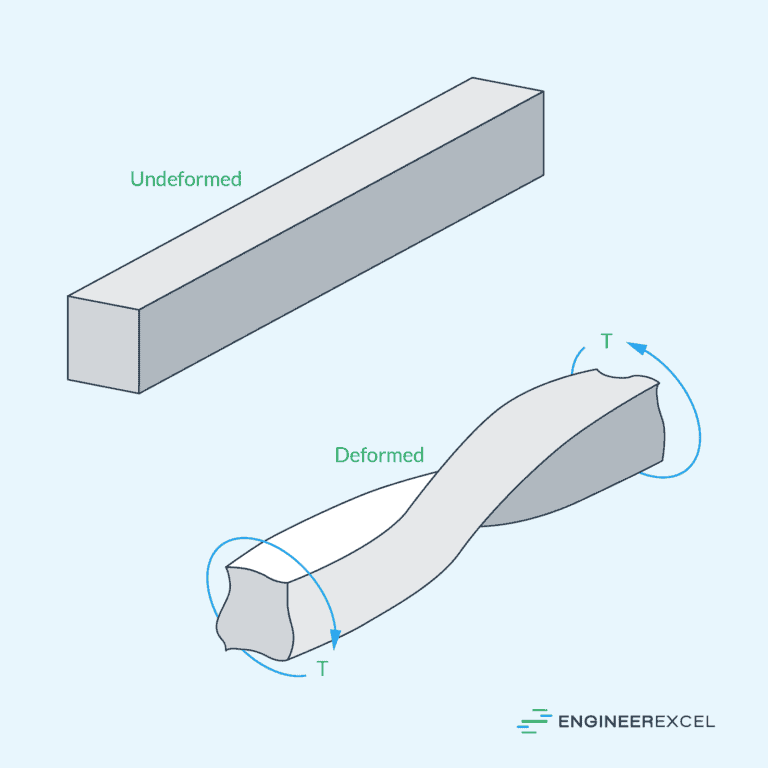
Alright, pull up a chair, grab a latte (or something stronger, no judgment here), and let's talk about twisting. Not the dance craze from the 60s, though that is a form of rotational exertion… no, we're diving into the fascinating world of engineering! Specifically, what do you call that twisting force on a shaft?
The Grand Name Reveal: Torsion!
Drumroll, please! (Imagine a dramatic, slightly off-key drumroll). The twisting force on a shaft is called torsion! Yes, that's right. "Torsion." It sounds kind of menacing, doesn't it? Like a supervillain's signature move. "Prepare to face... THE TORSION!" cue evil laughter
Okay, maybe not. But it is a pretty powerful word for a pretty powerful phenomenon. Think about it: torsion is what allows your car's axles to transfer power from the engine to the wheels. It's what lets screwdrivers, well, screw things. Without torsion, we'd be pretty much stuck in the Stone Age, still trying to figure out how to make fire by rubbing two sticks together (which, by the way, also involves a bit of torsional force!).
Must Read
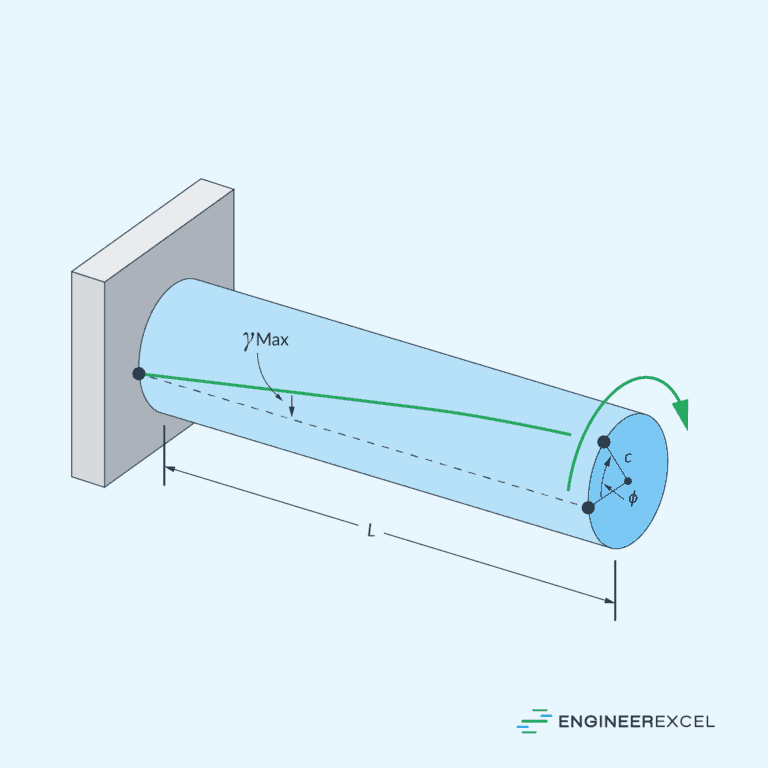
Torsion is essentially the measure of how much a shaft is being twisted by an applied torque. Imagine trying to wring water out of a towel. That twisting, wringing action? That's torsion in action! Your hands are applying torque, and the towel is resisting with its own internal forces.
Torque vs. Torsion: A Crucial Distinction
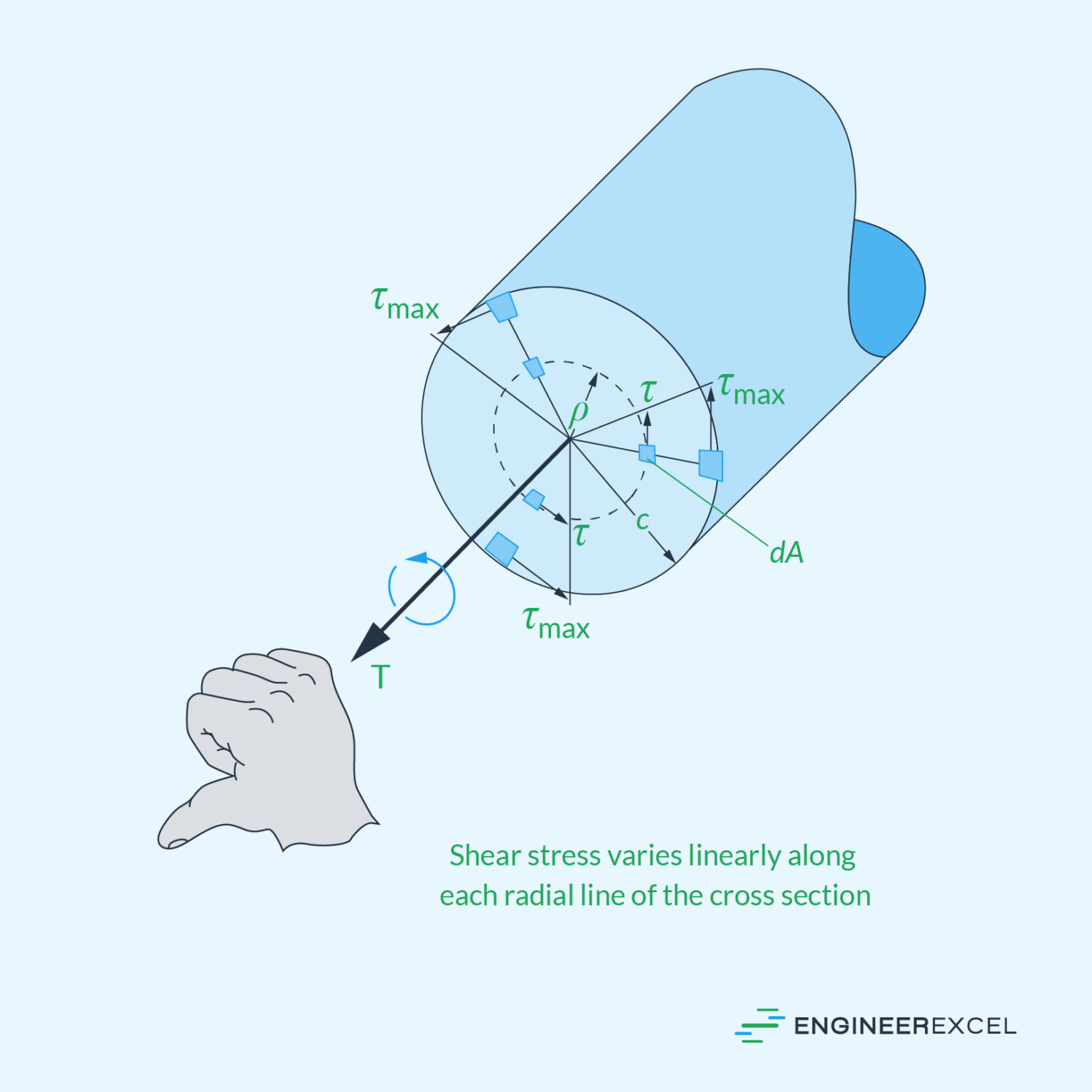
Now, don't go confusing torque with torsion. They're related, like cousins who see each other at family reunions but have very different jobs. Torque is the applied force that causes the twisting. Torsion is the internal stress within the shaft that resists that twisting. Torque causes torsion.
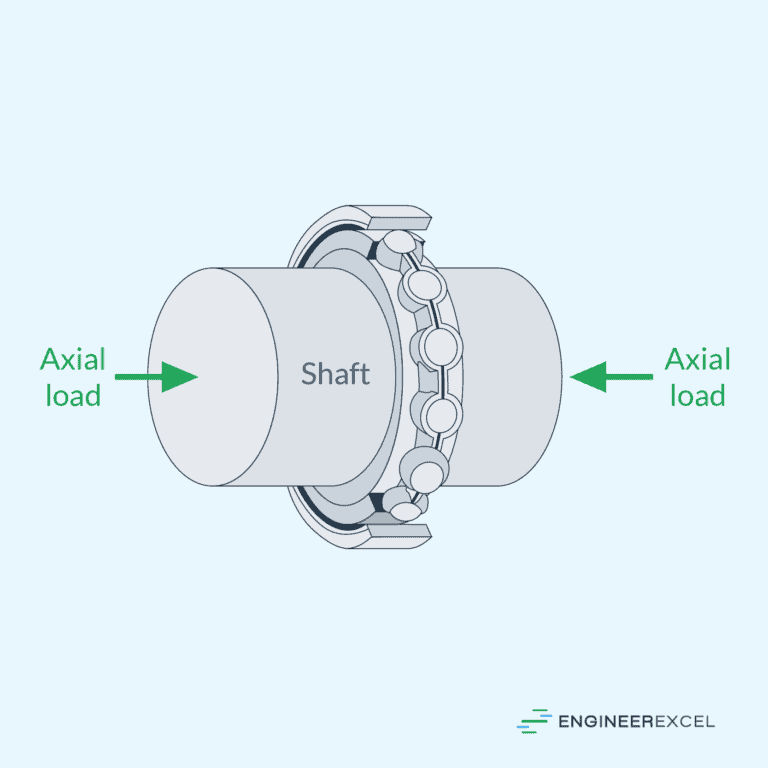
Think of it this way: torque is the eager beaver, ready to twist everything in sight. Torsion is the grumpy old tree, stubbornly resisting the twist. The battle between the two determines how much the shaft actually twists and whether it will eventually snap. (Spoiler alert: if the torque wins too decisively, the shaft loses. Badly.)
Engineers spend a lot of time making sure that shafts can handle the torsion caused by the torque. This involves calculating all sorts of complicated things, like the material's properties, the shaft's shape, and the magnitude of the applied torque. It's a crucial part of design, preventing catastrophic failures and ensuring that things don't, you know, explode.
Why Torsion Matters (Beyond Avoiding Explosions)
So, why should you care about torsion, even if you're not an engineer? Well, for starters, it's fascinating! It's a fundamental concept in physics and engineering that affects everything from the smallest microchips to the largest bridges. It plays a crucial role in numerous engineering fields.
Also, understanding torsion can help you appreciate the incredible complexity and ingenuity of the things around you. That simple screwdriver? It's a marvel of engineering, carefully designed to withstand the torsional forces you exert while tightening screws. Your car? A rolling testament to the power of torsion (and a lot of other engineering principles, of course).
Moreover, knowing about torsion might even save you some money! For example, using the wrong tool for a job can easily lead to excessive torque and...SNAP! Broken tool. Now you're out a perfectly good wrench and have to buy a new one. A little knowledge of torsion could have prevented that disaster!
Fun Facts (Because Why Not?)
- Did you know that some animals use torsion to their advantage? For example, certain species of caterpillars can twist their bodies to fling away predators. Talk about a "torsional defense mechanism!"
- The concept of torsion is also used in architecture! Architects often consider torsional forces when designing tall buildings to ensure they can withstand wind loads and other external forces.
- You can actually feel torsion. Try twisting a rubber band between your fingers. That feeling of resistance you experience? That's torsion at work! (Just don't twist it too hard, or you'll end up with a broken rubber band and a slightly sticky mess.)
In Conclusion: Torsion is Twisting Awesome!
So, there you have it! Torsion: the twisting force on a shaft. It's a powerful, important, and surprisingly interesting concept that affects our lives in countless ways. Next time you're twisting something, take a moment to appreciate the forces at play, and remember that you're part of a long and storied history of humans harnessing the power of torsion.
Now, if you'll excuse me, I'm going to go twist something. Maybe I'll open a jar of pickles. Or perhaps I'll just do the twist. Either way, I'll be thinking about torsion!