What Is The Temperature In My Home Right Now
Ever walked into your home and thought, "Wow, it's absolutely freezing!" or conversely, "Ugh, feels like a sauna in here!"? We all have. But have you ever actually stopped to consider, "What is the temperature in my home right now?" It's a question that might seem trivial, but understanding the temperature of your indoor environment is surprisingly relevant, useful, and even…fun! Think of it as a little peek into the science that affects your daily comfort.
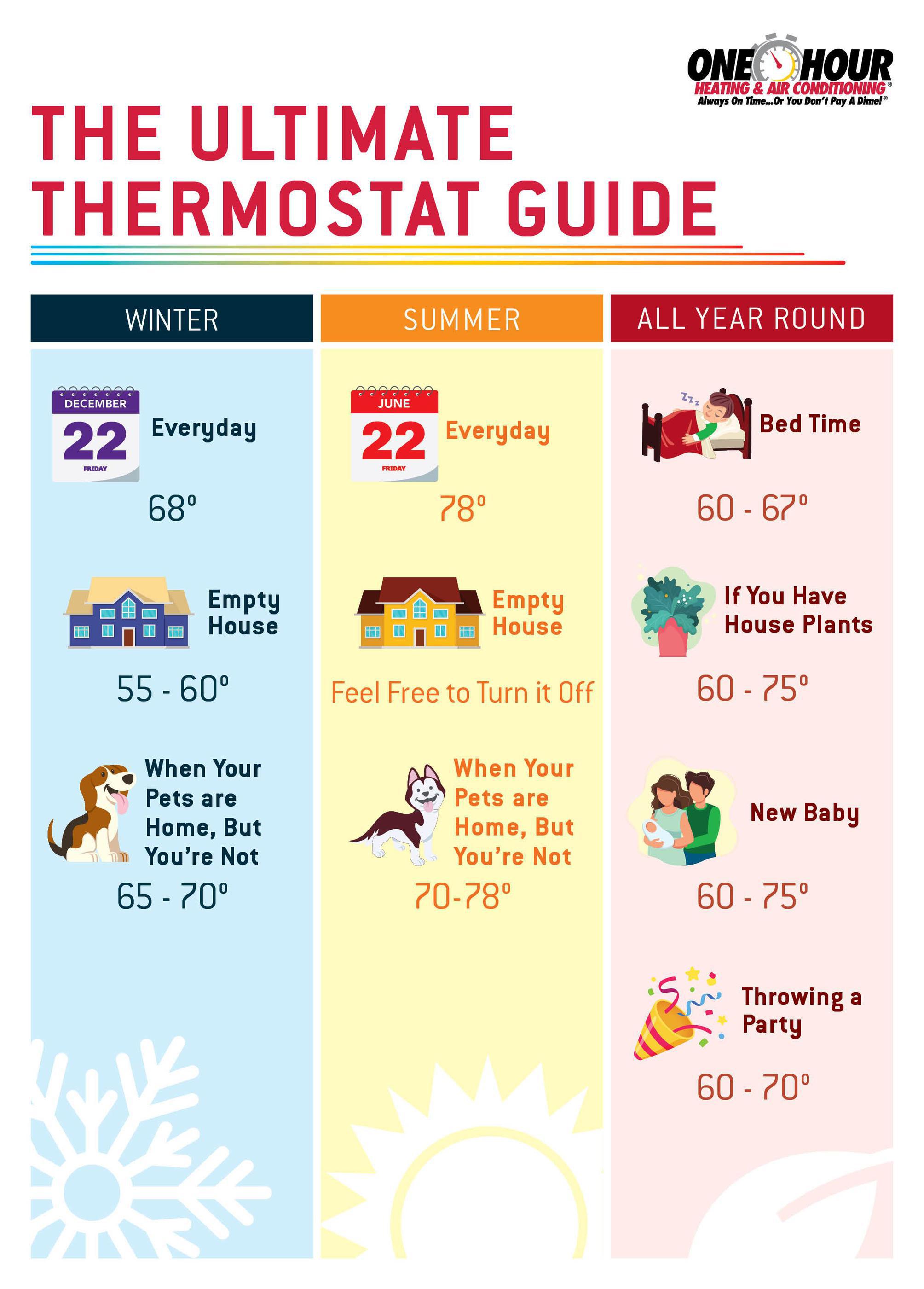
So, what's the purpose of knowing your home's temperature? Well, primarily, it's about comfort and health. Our bodies thrive within a relatively narrow temperature range. Too hot, and we're sweating and uncomfortable; too cold, and we're shivering and potentially susceptible to illness. Knowing the temperature allows you to actively manage your heating and cooling systems, ensuring a comfortable and healthy living space. It also helps to optimize energy consumption. Cranking up the heat when it's already relatively warm indoors is simply a waste of money and energy. By monitoring the temperature, you can make informed decisions about your thermostat settings, potentially saving money on your utility bills.
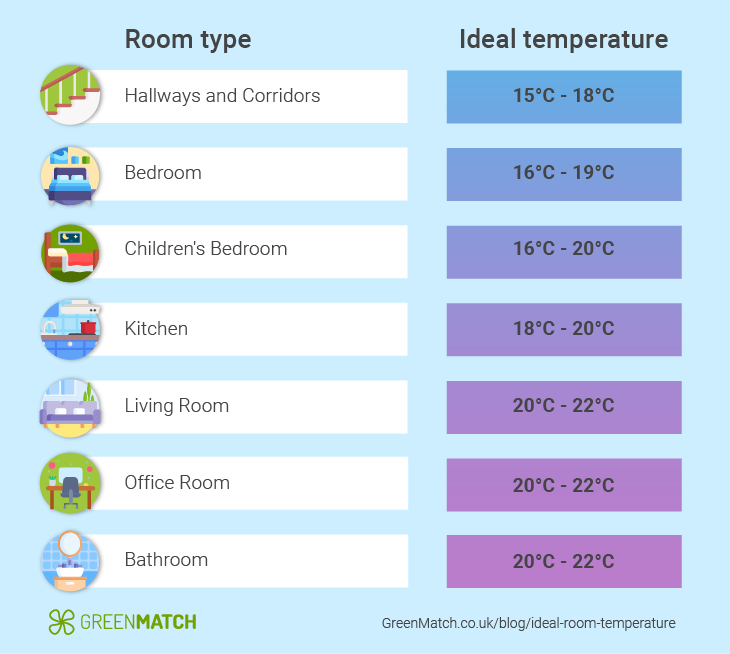
The benefits extend beyond personal comfort. Think about vulnerable populations, like infants and the elderly. They are more sensitive to temperature fluctuations. Knowing and maintaining a stable, appropriate temperature can significantly improve their well-being. Furthermore, different activities benefit from different temperatures. You might prefer a cooler room for sleeping but a warmer one for reading. Knowing the temperature allows you to tailor your environment to your needs. Consider also certain hobbies or collections you might have. Some artwork or musical instruments require stable temperatures to prevent damage.
Must Read
In education, exploring temperature in the home can be a fantastic hands-on learning experience. Kids can learn about temperature scales (Celsius and Fahrenheit), how thermometers work, and the principles of heat transfer. You can even conduct simple experiments, like comparing the temperature in different rooms or measuring how quickly a room heats up or cools down. In daily life, it's useful for everything from setting a comfortable sleep environment to ensuring optimal conditions for baking a cake (oven temperature is crucial, after all!). You can also use the information to better communicate with HVAC repair people if your system isn't performing correctly.

How can you find out the temperature in your home? It's surprisingly easy! The simplest way is with a thermometer. You probably already have one! Many modern thermostats display the current temperature. If you're feeling tech-savvy, consider investing in a smart thermostat. These devices not only display the temperature but also allow you to control your heating and cooling remotely, often providing detailed data and insights into your energy usage. Another simple tip is to check your weather app! While it reflects the outside temperature, it can give you a general idea of whether your house might be too hot or too cold.
Don't be afraid to experiment! Try placing thermometers in different locations in your home – near windows, away from direct sunlight, in different rooms – and see how the temperature varies. Keep a simple log of the temperature at different times of the day and see if you can identify patterns. It's a simple, engaging way to learn more about your home environment and improve your overall comfort and well-being. You might be surprised at what you discover!