What Is The Temperature For Food Danger Zone

Ever wonder why your mom was so insistent about putting leftovers away quickly? Or why that picnic potato salad seemed a little… risky? The answer boils down to a simple, yet crucial concept: the food danger zone. It sounds dramatic, and honestly, it kind of is! Understanding this temperature range is key to keeping yourself, your family, and anyone you cook for safe from nasty foodborne illnesses. Think of it as your superpower in the kitchen, protecting you from invisible enemies!
So, what's the big deal? The purpose of understanding the food danger zone is simple: prevent bacteria from multiplying to dangerous levels in your food. For beginners, knowing this range (we'll get to the actual temperatures in a sec!) is the first step toward practicing safe food handling. It's like learning the rules of the road before you drive. For families, it's all about protecting your loved ones from getting sick, especially young children and the elderly who are more vulnerable. And for hobbyists – the home cooks and bakers among us – knowing the danger zone allows you to experiment with confidence, knowing you're prioritizing safety alongside flavor. The benefits are huge: fewer sick days, more enjoyable meals, and peace of mind.
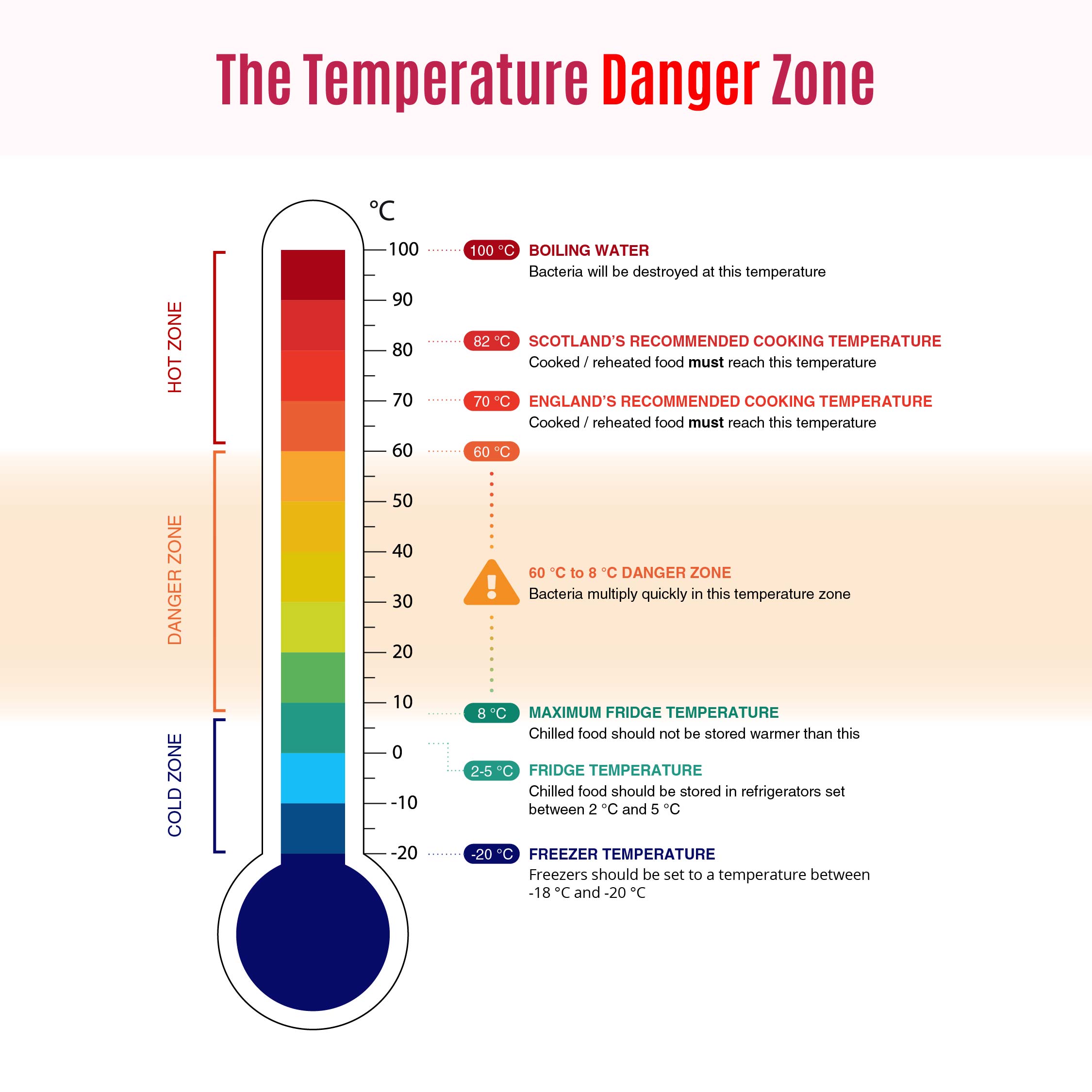
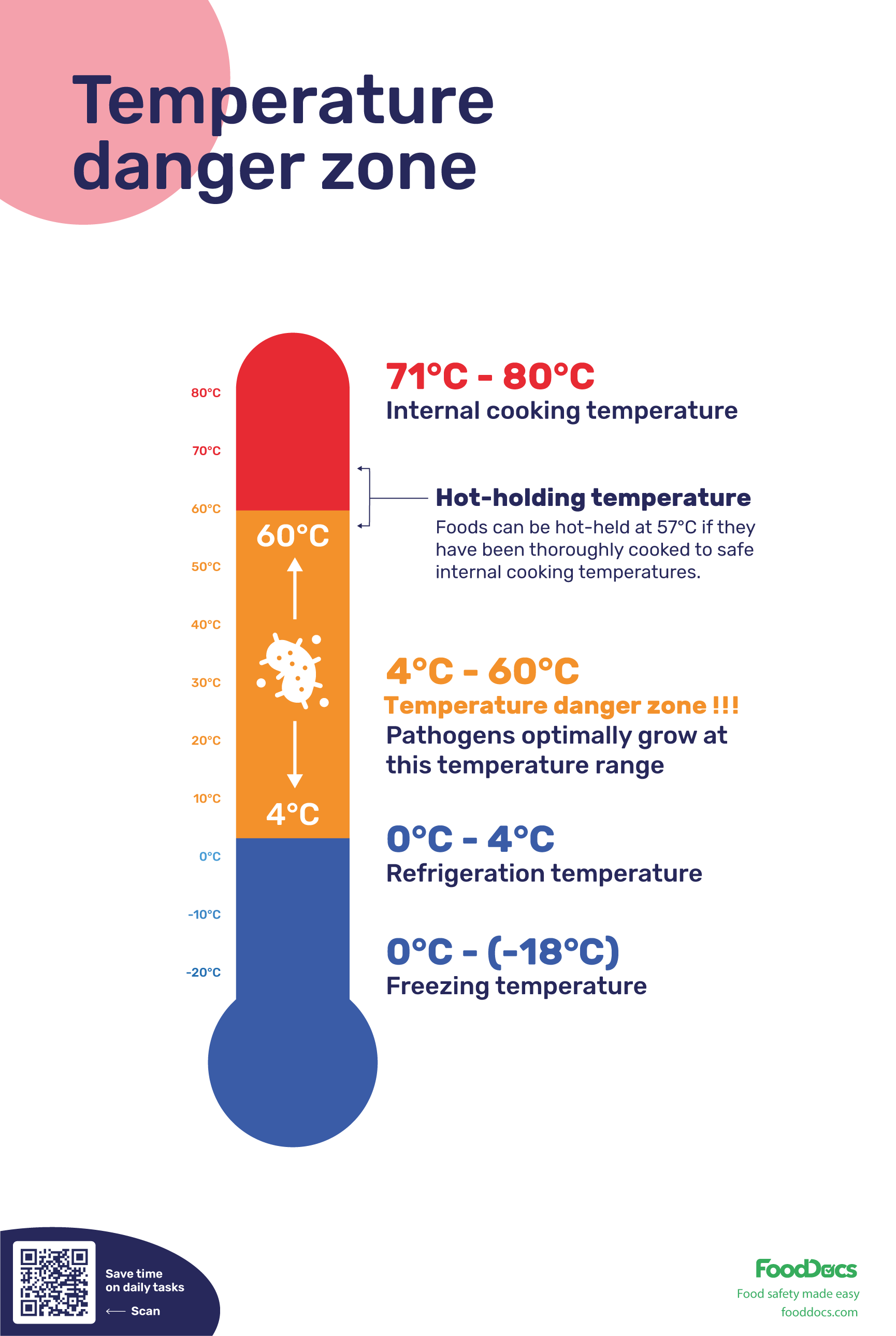
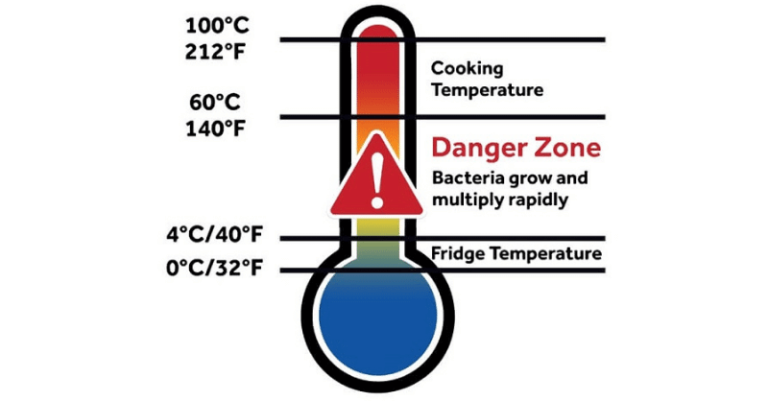
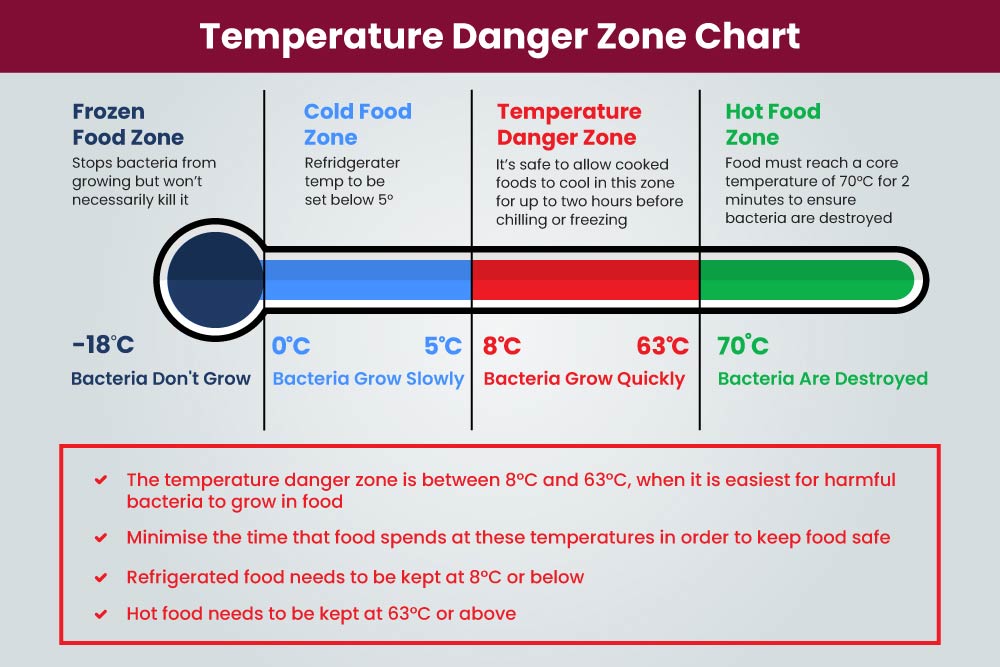
Okay, drumroll please… The food danger zone is the temperature range between 40°F (4°C) and 140°F (60°C). Within this zone, bacteria thrive and multiply rapidly. Think of it as a bacterial party – and you definitely don't want to be the host! This is why perishable foods shouldn’t be left at room temperature for more than two hours (or one hour if the temperature is above 90°F/32°C). Examples? Think cooked meat, poultry, seafood, dairy products, cooked rice and pasta, cut fruits and vegetables – basically anything that isn't shelf-stable. There are variations on how long food can safely stay in this zone depending on the type of food, but the general rule is: the less time, the better.
Must Read
So, how do you keep your food out of the danger zone? Here are a few simple, practical tips to get started:
- Use a food thermometer: Don’t guess! A reliable food thermometer is your best friend in the kitchen. Use it to check the internal temperature of cooked foods to ensure they’ve reached a safe temperature to kill bacteria.
- Refrigerate promptly: Leftovers should be cooled quickly and refrigerated within two hours of cooking. Divide large quantities into smaller containers to speed up the cooling process.
- Keep hot foods hot and cold foods cold: Use warming trays or chafing dishes to keep hot foods above 140°F (60°C) and coolers with ice packs to keep cold foods below 40°F (4°C).
- Don't thaw at room temperature: Thaw food in the refrigerator, in cold water (changing the water every 30 minutes), or in the microwave. Never leave food at room temperature to thaw.
Understanding the food danger zone might seem a little intimidating at first, but it's a surprisingly easy concept to grasp, and the impact it has on your health and well-being is enormous. By following these simple guidelines, you can confidently create delicious and safe meals for yourself and your loved ones. So, embrace your newfound knowledge, cook with confidence, and enjoy the peace of mind that comes with knowing you're keeping everyone safe and healthy! Plus, you can impress your friends and family with your food safety expertise!