What Is The Sources Of Energy
Ever flick a light switch, charge your phone, or drive a car and wonder, "Where does all this oomph come from?" Well, you're not alone! Energy is the invisible force that powers virtually every aspect of our modern lives, from the smallest gadget to the largest city. Understanding its sources isn't just for scientists; it's genuinely fascinating and incredibly useful for all of us. It's like peeking behind the curtain of reality to see what makes everything tick!
The purpose of knowing about energy sources isn't just trivia; it’s about making informed choices for our planet and our future. By grasping where our energy originates, we can appreciate the immense engineering feats involved, understand global economics, and, most importantly, grasp the impact our consumption has on the environment. The benefit? We become more responsible consumers and better advocates for sustainable living. It's about empowering ourselves with knowledge to build a brighter, cleaner future.
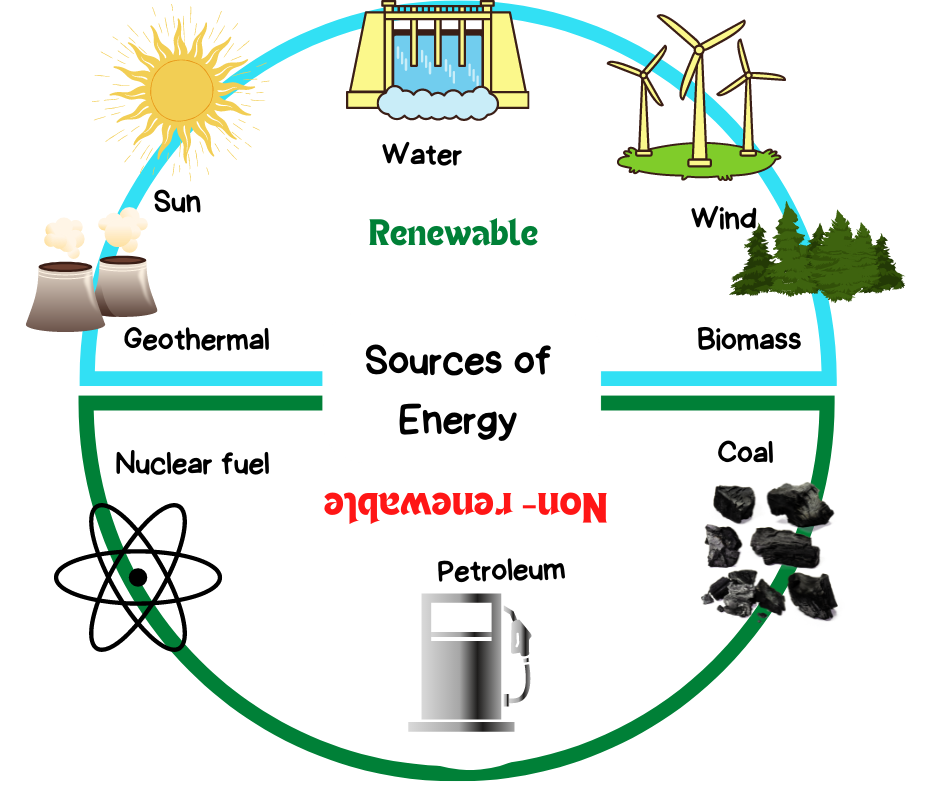
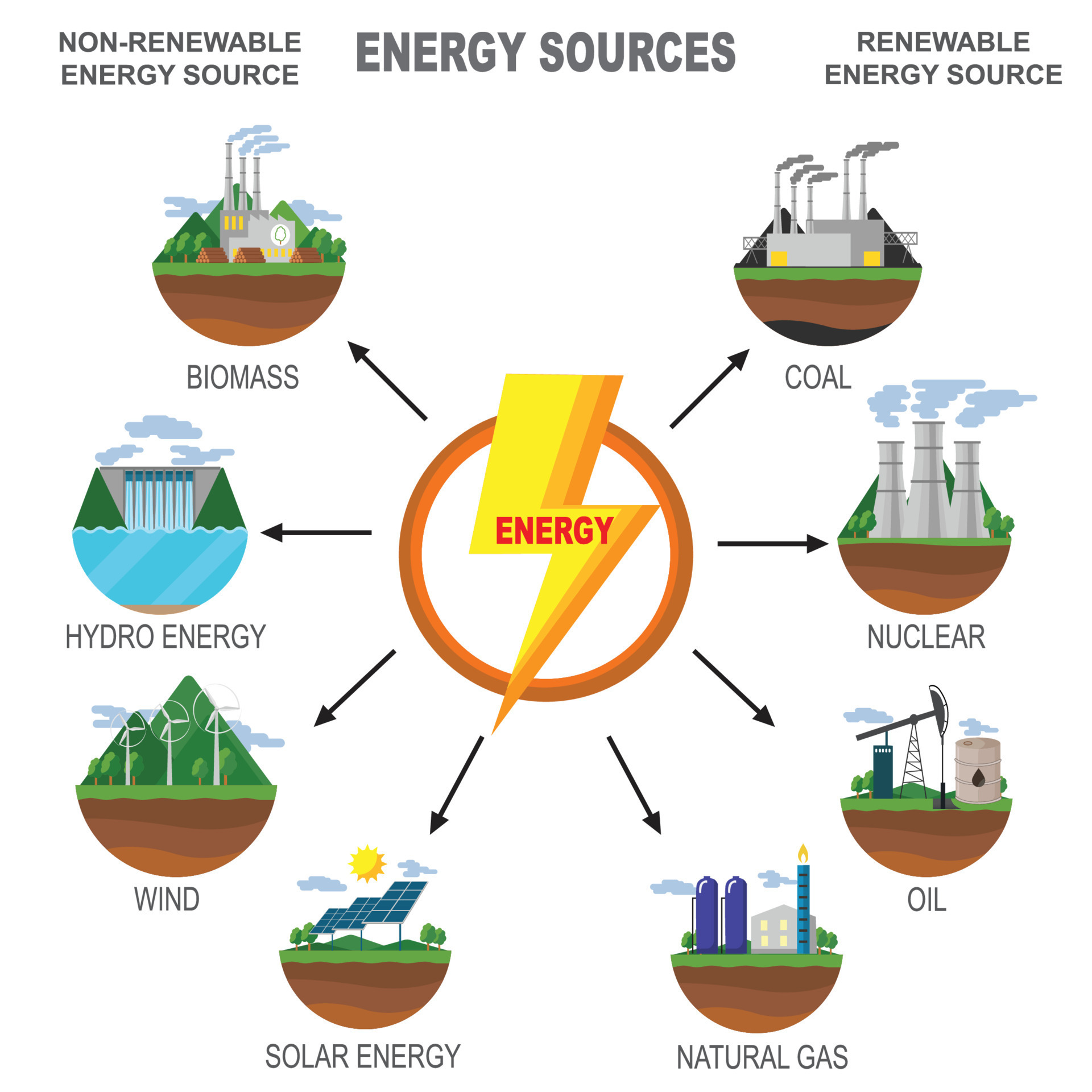
So, where does this magical power come from? Broadly, we can divide energy sources into two main camps: non-renewable and renewable.
Must Read
Non-renewable sources are those that exist in finite quantities and take millions of years to form. Once they're gone, they're gone! The big three here are fossil fuels: coal, oil, and natural gas. These were formed from ancient organic matter buried deep underground and subjected to immense heat and pressure. They're incredibly energy-dense and have powered the industrial revolution, but burning them releases greenhouse gases, contributing to climate change. Plus, we're slowly but surely running out of them.
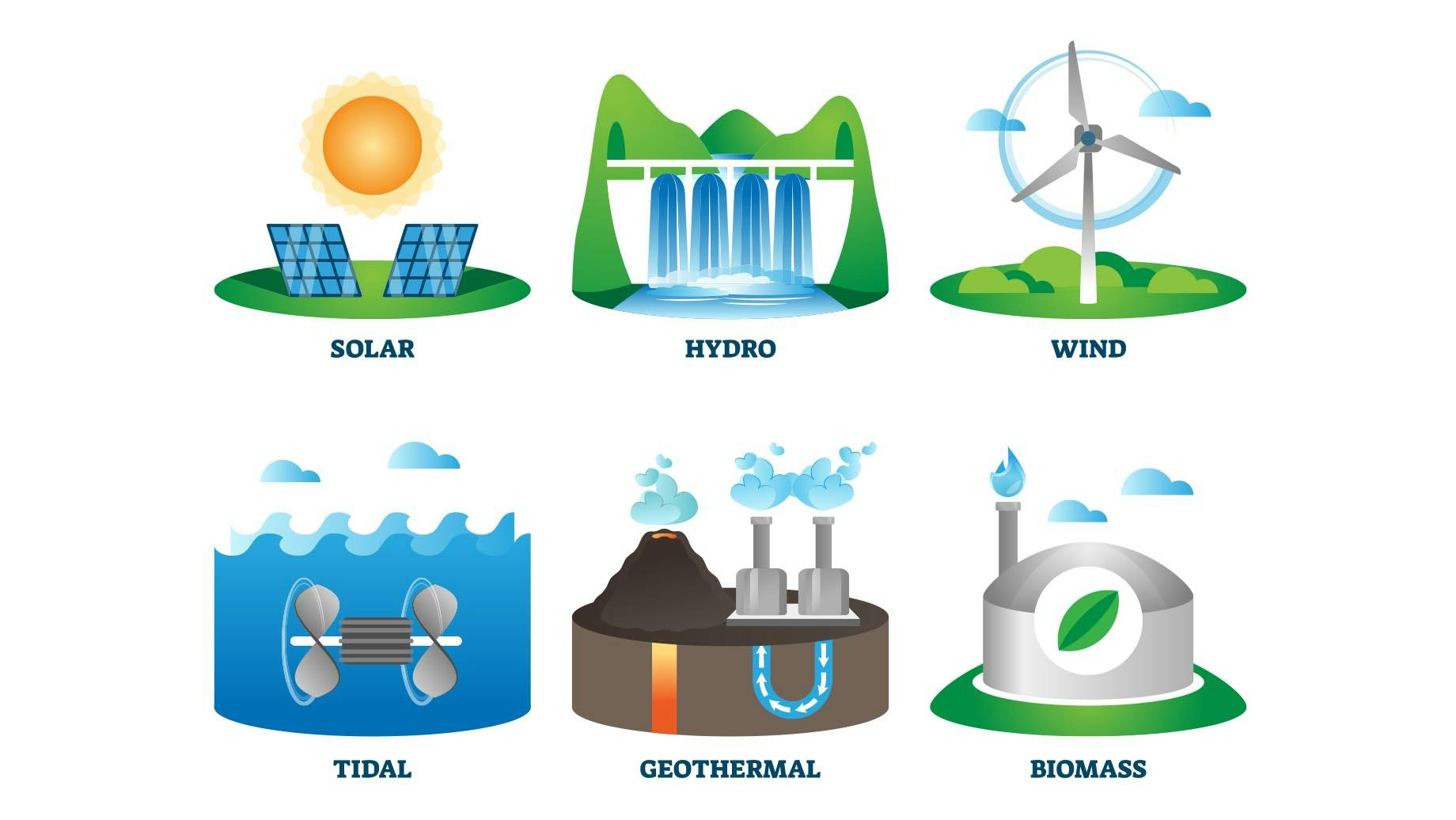
On the flip side, we have renewable sources. These are naturally replenished on a human timescale, meaning they're essentially limitless! Think of the sun shining or the wind blowing – they're not going anywhere. Here are some of the stars of the show:

- Solar Energy: Directly from the sun’s rays, captured by photovoltaic panels. It's clean, abundant, and becoming increasingly affordable.
- Wind Energy: Harnessed by giant turbines that spin with the wind, converting kinetic energy into electricity. It’s a powerful way to tap into nature’s breath.
- Hydroelectric Energy: Uses the force of moving water, typically from dams, to spin turbines. It’s a very reliable and established source.
- Geothermal Energy: Taps into the Earth's internal heat, often by pumping water deep underground to create steam that drives turbines. The planet itself is a giant hot-water bottle!
- Biomass Energy: Derived from organic matter like plants, agricultural waste, or animal manure. It can be burned directly or converted into biofuels.
And let's not forget Nuclear Energy, which isn't renewable but also doesn't rely on burning fossil fuels. It generates enormous amounts of power by splitting atoms, primarily uranium. While it produces very little greenhouse gas emissions, it comes with challenges like radioactive waste disposal and safety concerns.
From the ancient energy stored in fossil fuels to the endless power of the sun and wind, our world runs on an incredible array of sources. Understanding them helps us appreciate the complexity of our energy landscape and the urgent need to transition towards more sustainable options. Every choice we make, from turning off a light to supporting renewable policies, contributes to shaping the energy future of our planet.