What Is The Purpose Of Ptfe
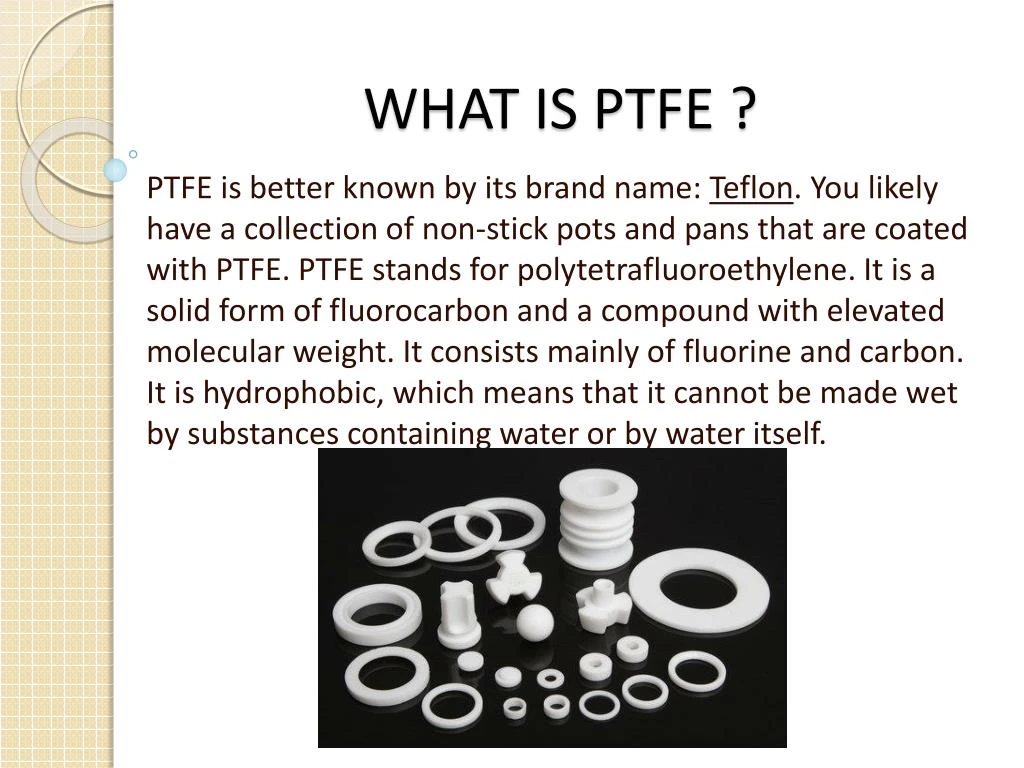
Ever wondered why your pancakes slide effortlessly out of the pan, or why that stubborn bolt finally unscrewed without a fuss? Chances are, you’ve got PTFE to thank! This incredible material, often known by its brand name Teflon, is one of those behind-the-scenes superstars that makes our daily lives a whole lot easier. It might sound like a mouthful (Polytetrafluoroethylene, if you’re curious!), but its purpose is brilliantly simple and utterly fascinating once you peel back the layers.
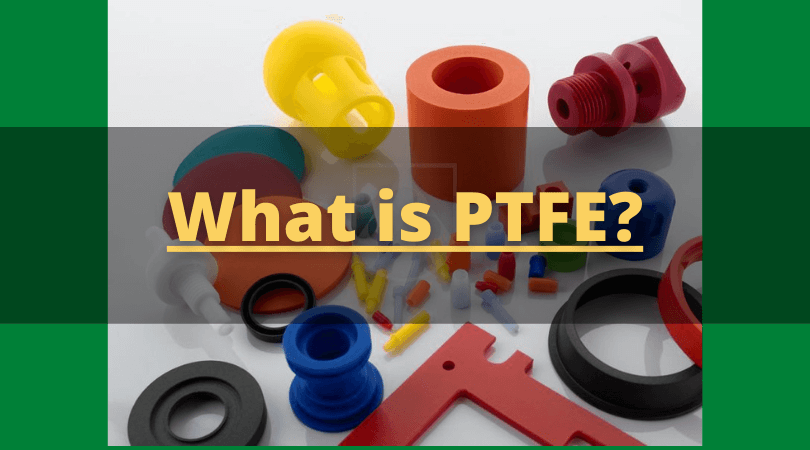
At its core, the main purpose of PTFE is to provide a surface that is incredibly non-stick, exceptionally low-friction, remarkably resistant to heat and chemicals, and largely unaffected by water. Imagine a material that almost nothing wants to cling to – that's PTFE! For everyday families, its most famous role is undoubtedly in the kitchen. Non-stick cookware, from frying pans to baking sheets, means less scrubbing and more time enjoying meals together. Burnt-on messes become a thing of the past, and cooking delicate items like fish or eggs is a breeze. It's a true kitchen game-changer, simplifying clean-up after even the messiest family dinner.
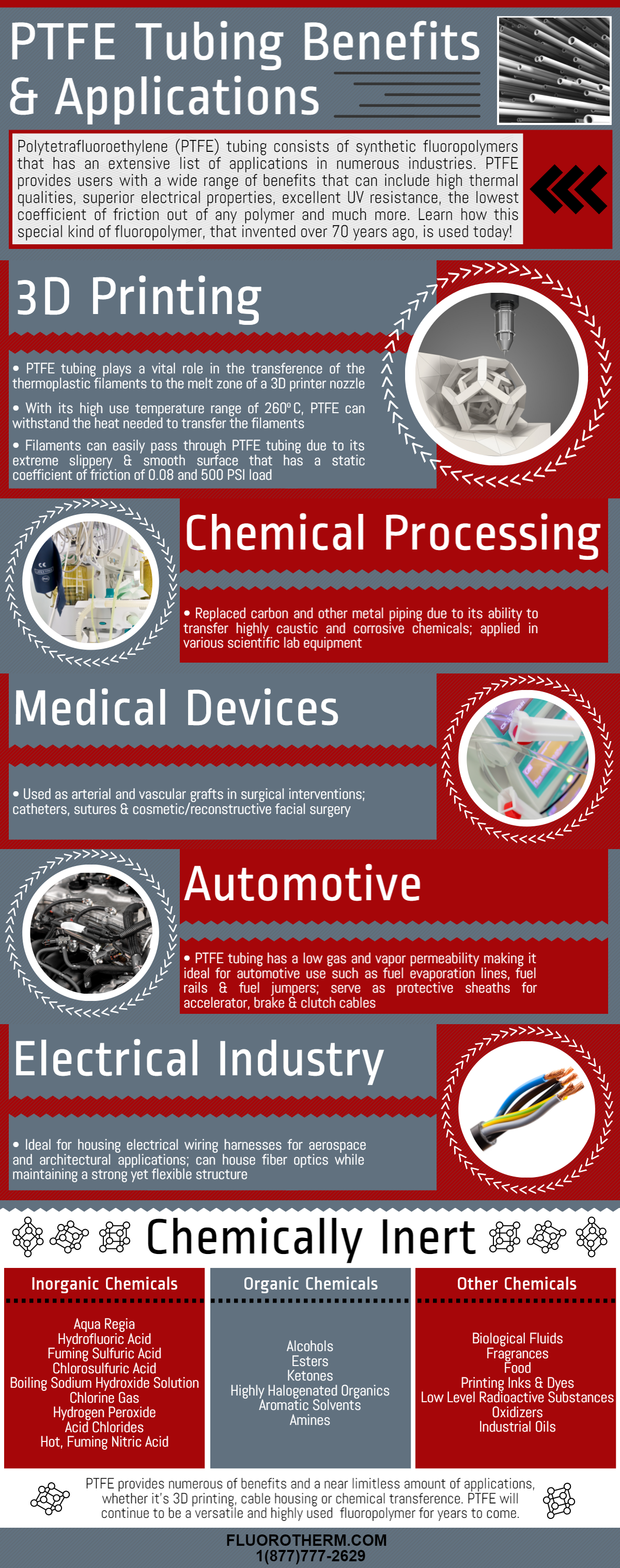
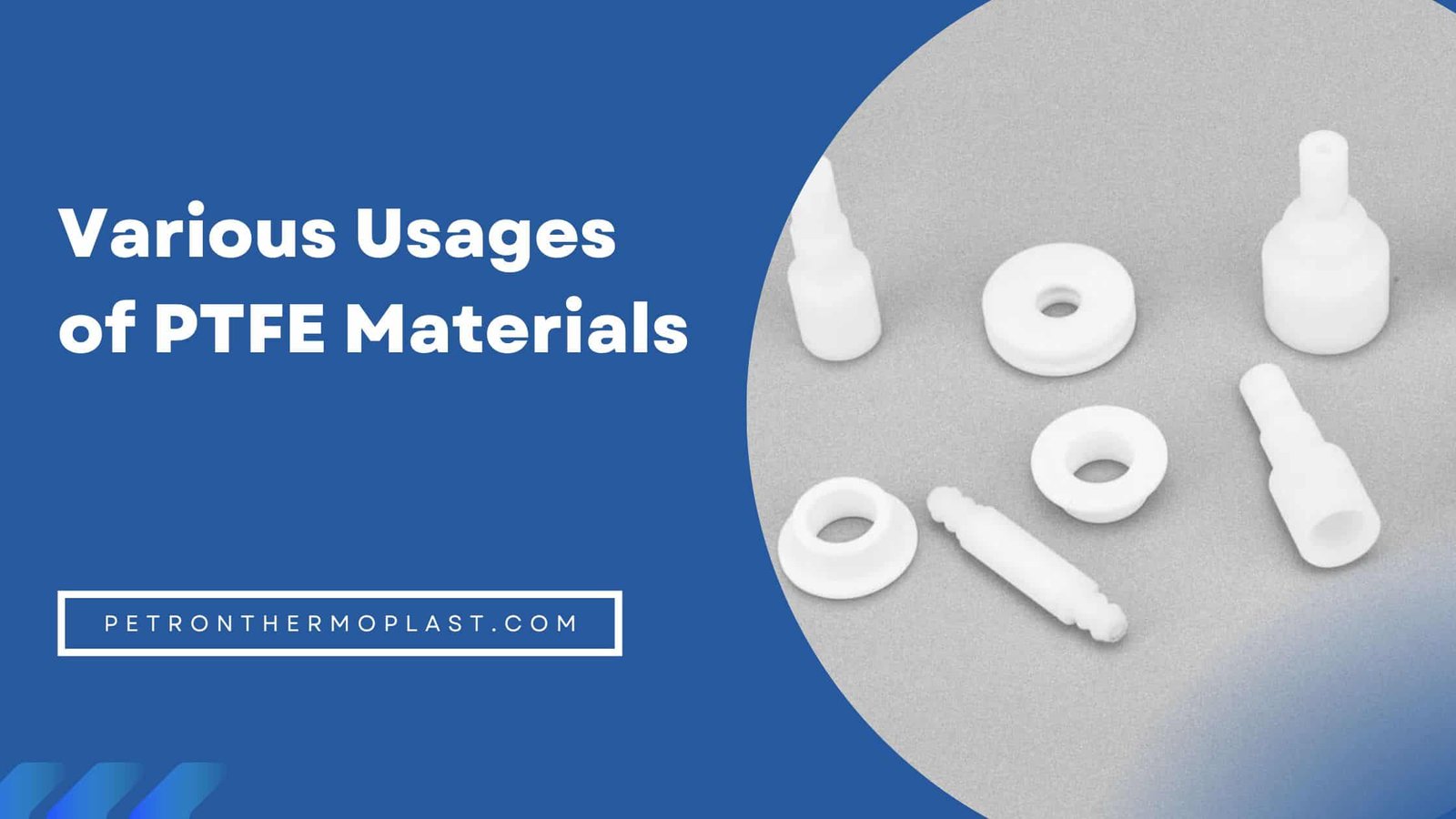
But PTFE's superpowers extend far beyond the culinary world. For the hands-on hobbyist or DIY enthusiast, PTFE is a secret weapon. Think about 3D printing: many FDM printers use PTFE tubing (often called Bowden tubes) to guide the filament smoothly from the spool to the extruder, ensuring precise and consistent prints. Or in plumbing, that thin white tape you wrap around pipe threads to prevent leaks? That’s PTFE thread seal tape, providing an unbeatable, low-friction seal. Its chemical resistance also makes it vital in industrial settings for lining pipes and containers, protecting against corrosive substances. You’ll even find it in high-performance outdoor gear, where its water-repellent properties (often in expanded forms like Gore-Tex) help keep you dry and comfortable during adventures.
Must Read
So, how can you make the most of this versatile material? If you’re just getting started with non-stick cookware, remember to treat your PTFE-coated pans kindly. Avoid metal utensils that can scratch the surface; opt for wood, silicone, or plastic. Hand-washing is usually best to prolong their life. If you're tackling a plumbing project, don't underestimate the power of PTFE tape for creating secure, leak-free connections – it's incredibly simple to use and makes a big difference. Appreciate PTFE when you see it in action, from the smooth operation of a bike chain (often containing PTFE lubricants) to the ease of an iron gliding over clothes (many irons have PTFE-coated soles).
PTFE is a quiet innovator, woven into the fabric of modern convenience. From making your morning omelet perfect to sealing crucial industrial components, its unique properties make countless tasks easier and more efficient. So next time you experience something effortlessly non-stick or super slippery, take a moment to appreciate the unsung hero that is PTFE – it truly is a marvel of material science!