
What Is The Purpose And Function Of An Inverter
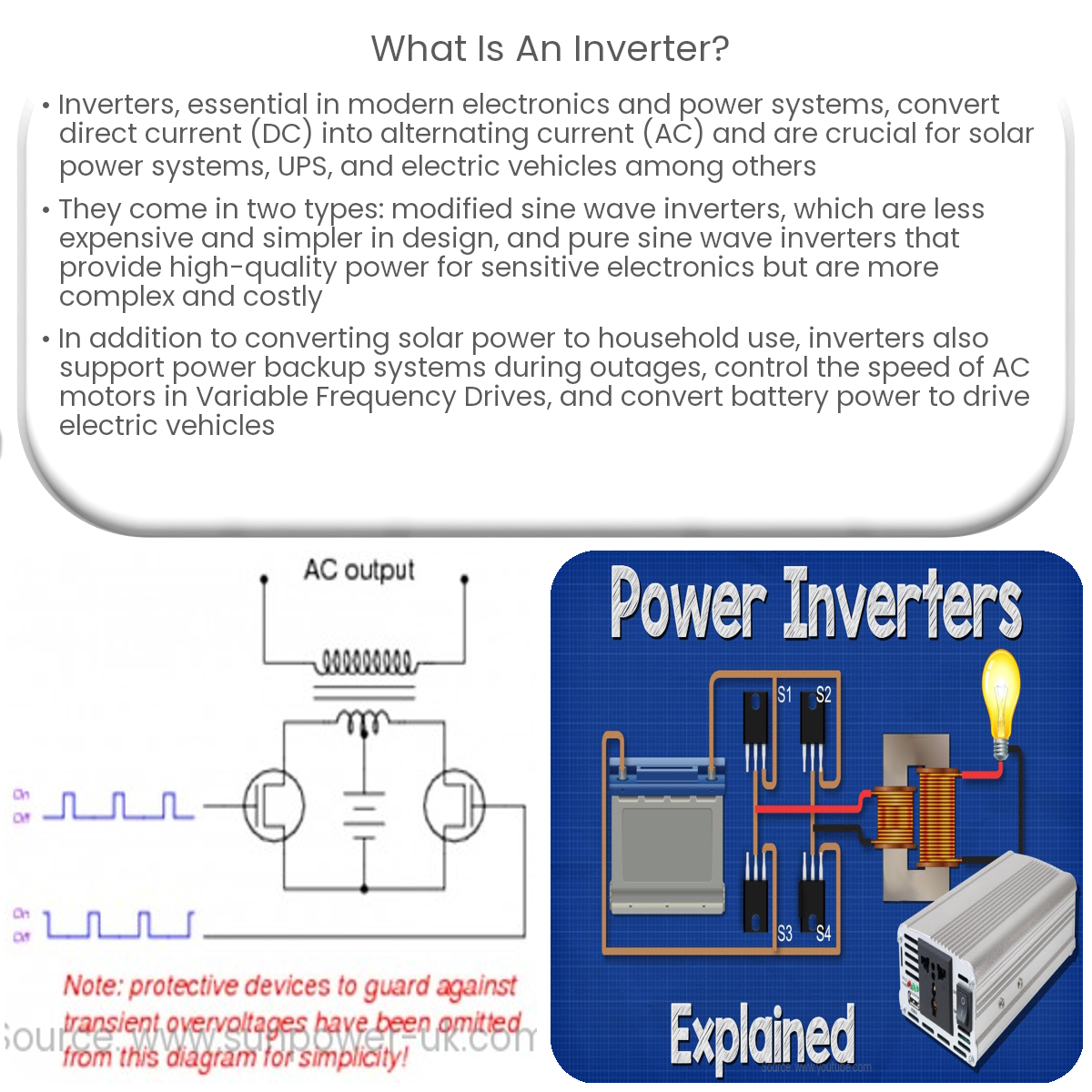
Ever wondered how you can plug your regular household appliances into, say, a car's cigarette lighter? Or how those cool solar panels on rooftops actually power your coffee maker? The unsung hero making all this magic happen is something called an inverter. Trust me, it's way more exciting than it sounds! Think of it as a translator, fluent in the language of electricity.
So, What's the Big Deal?
Basically, an inverter takes one type of electrical current and transforms it into another. It’s like a super-powered electrical alchemist. But what types of current are we talking about? This is where it gets interesting.
There are two main types of electrical current: DC (Direct Current) and AC (Alternating Current). Think of DC as a calm, steady stream, like a battery powering a flashlight. It flows in one direction. Batteries, solar panels, and your car's electrical system all use DC. AC, on the other hand, is more like a rollercoaster. It constantly changes direction – that's why it's called alternating! AC is what comes out of the wall sockets in your home, powering your lamps, TVs, and blenders.
Must Read
Now, here's the inverter's moment to shine! It swoops in and converts DC electricity into AC electricity. It takes the steady stream of DC and turns it into the rollercoaster ride of AC. Ta-da! Magic!
Why Do We Even Need This "Electrical Alchemist"?
Okay, so why can't everything just use DC or AC? Great question! The answer lies in the different ways we generate and use electricity.

For example, solar panels generate DC electricity. But most of the appliances in your home need AC. Without an inverter, you'd be stuck with a super-expensive, high-tech sunbeam… and no toast.
Similarly, batteries store DC electricity. That's perfect for portable devices like laptops and smartphones. But what if you want to run a power tool from a battery? Again, the inverter steps in, converting the DC power to AC, so you can get to work!
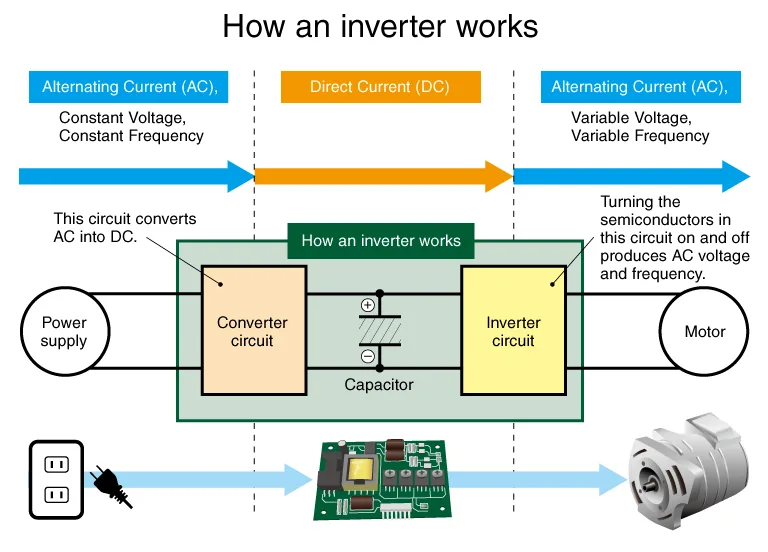
Inverters: Not Just for Geeks Anymore!
Inverters are everywhere, even if you don't realize it. They're inside your computer power supply, your solar panel system, and even some of your electronic devices. They're the silent partners powering our modern world.
Think about camping. Imagine you're out in the wilderness, far from any electrical outlets. But you've got an inverter hooked up to your car battery. Suddenly, you can plug in a portable TV, a fan, or even a small coffee maker! You've brought the comforts of home to the great outdoors, all thanks to that little box of electrical wizardry.
And it gets even more impressive. Large-scale inverters are crucial for renewable energy. They allow solar and wind power to be fed into the electrical grid, powering entire cities with clean energy. They are a critical tool in the fight against climate change.

Types of Inverters: A Quick Peek
Just like there are different types of chefs, there are different types of inverters. Some are designed for small, portable applications, while others are built for heavy-duty industrial use. Some produce a "pure sine wave" AC output, which is cleaner and more compatible with sensitive electronics. Others produce a "modified sine wave," which is less expensive but may not work well with all devices.
Knowing the difference can save you headaches (and potentially fried electronics) down the road.

So, What's the Takeaway?
The inverter is a fascinating piece of technology that plays a crucial role in our lives. It’s a versatile tool that bridges the gap between different types of electrical current, allowing us to power our world in new and exciting ways. It's more than just a converter; it's an enabler of innovation and a key component in the transition to a sustainable energy future.
Next time you plug something into a wall socket, or see solar panels glinting in the sun, remember the unsung hero working behind the scenes – the incredible inverter!
"Electricity is really just organized lightning." - George Carlin. And the inverter helps organize it all!