What Is The Proper Heating Procedure For Soldering

Alright folks, let's talk soldering. You know, that thing you probably think only happens in sci-fi movies or when someone's fixing your toaster oven (which, let’s be honest, ends up being a new toaster oven more often than not). But soldering is everywhere! From your phone to your car, tiny little solder joints are holding the world together. And the secret? Heat! But not just any kind of heat. We're talking proper, respectful, "I'm going to melt you just right" kind of heat. Think of it like making a grilled cheese – you wouldn't just blast it with a flamethrower, would you? Well, unless you're going for that "charcoal surprise" flavor.
The basic idea is simple: heat up the things you want to join together (the metal bits), apply solder, and let the solder melt and flow, creating a strong bond. Easy peasy, right? Except when you accidentally melt a wire, burn yourself, or end up with a cold solder joint that looks like a lumpy alien egg. But don't worry, we've all been there.
Getting Started: The Pre-Heat Ritual
Before you even think about touching your soldering iron to anything, you gotta prep the area. Think of it like getting ready for a date – you wouldn’t just roll out of bed and show up looking like you wrestled a badger, would you? (Okay, maybe some of us would, but that's a story for another time). You need to clean the surfaces, make sure they're free of grime and oxidation. A little rubbing alcohol and a scouring pad can work wonders. This is crucial because solder only likes to stick to clean metal. If it’s dirty, it’ll be like trying to glue two wet noodles together. Messy and ultimately unsuccessful.
Must Read
Next, tin your iron. This means applying a little solder to the tip of your soldering iron. It creates a better thermal connection and helps the heat transfer more efficiently. Imagine trying to iron a shirt with a cold iron. Pointless, right? Same with soldering. Tinning your iron is like preheating the iron – it's just good soldering etiquette.
The Main Event: Applying the Heat
Now for the fun part! Place the tip of your soldering iron so it's touching both the components you want to join simultaneously. This is key. You're not trying to melt the solder with the iron directly; you're trying to heat up the metal so it melts the solder. Think of it like warming up leftovers. You don’t heat the plate, you heat the food. Same idea! If you only heat the solder, it won't bond properly, and you'll end up with a weak, brittle joint that'll probably fall apart the moment you look at it funny.
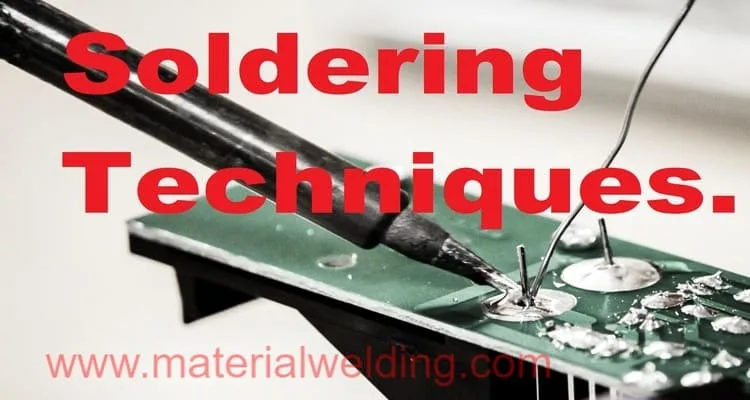
Hold the iron in place for a few seconds, long enough for the metal to heat up. You'll know it's ready when you touch the solder to the joint and it melts immediately and flows smoothly. If the solder just sits there in a lumpy blob, you're not hot enough. More heat! (But be careful not to overdo it – you don’t want to burn anything.)
Apply enough solder to create a nice, even fillet (that's the curved bit of solder that connects the two components). Don't go overboard, though! Too much solder can actually weaken the joint. It’s like putting too much icing on a cupcake – messy and potentially sickening. Just enough is perfect.
The Grand Finale: Cooling Down
Once you've applied the solder, remove the iron and let the joint cool down naturally. Don't blow on it, don't dunk it in water, just let it be. Disturbing the joint while it's cooling can create a weak or fractured solder joint. Think of it like baking a cake – you wouldn't yank it out of the oven halfway through, would you? (Unless you're going for that "gooey surprise" dessert… but again, another story for another time).
Inspect your work. A good solder joint should be shiny and smooth. If it's dull and grainy, you probably have a cold solder joint. Don't panic! Just reheat it and add a little more solder. Practice makes perfect (or at least "good enough").
And there you have it! The proper heating procedure for soldering. It might seem a little daunting at first, but with a little practice, you'll be soldering like a pro in no time. Just remember: cleanliness, proper heat, and patience are your friends. Now go forth and solder! And try not to burn yourself. (I’m kidding… mostly.)