What Is The Proper Arc Length For Stick Welding
Ever seen a perfectly stacked bead of weld and wondered, "How did they do that?" One seemingly small, but absolutely critical factor is the arc length. Now, arc length might sound like something you learned (and promptly forgot!) in high school geometry, but in the world of stick welding (SMAW – Shielded Metal Arc Welding), it's your secret weapon to making strong, beautiful welds. It’s fun to learn because mastering it feels like unlocking a superpower; suddenly, you have more control over this fiery process!
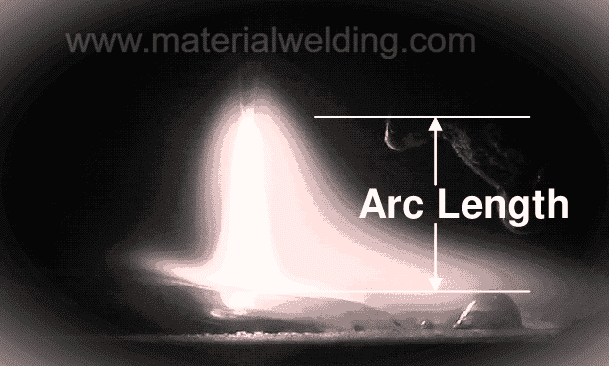
So, what exactly is arc length in stick welding? It's simply the distance between the tip of your welding electrode and the surface of the metal you're welding. Think of it as the bridge that carries the electric current, melting both the electrode and the base metal to create a fusion. The purpose of controlling the arc length is multifaceted. First and foremost, it ensures proper fusion. Too long an arc, and you'll end up with a weak, spattery weld with poor penetration. Too short, and the electrode might stick to the work piece or create excessive slag inclusions.
The benefits of nailing your arc length are numerous. A proper arc length leads to a weld that is stronger and more durable. It results in a cleaner weld with fewer imperfections. It makes the welding process smoother and more controllable, leading to less frustration and better-looking results. Plus, it contributes to improved efficiency, meaning you'll use less electrode and get more done.
Must Read
You see arc length in action everywhere, even if you don't realize it. Welding is used extensively in education, from vocational schools teaching aspiring welders to engineering programs exploring materials science. Students learn to manipulate arc length to create welds that meet specific strength and quality requirements. In daily life, welding is used to repair car frames, build fences, construct buildings, and even create intricate metal art. Each of these applications relies on the welder's ability to maintain a consistent and appropriate arc length.
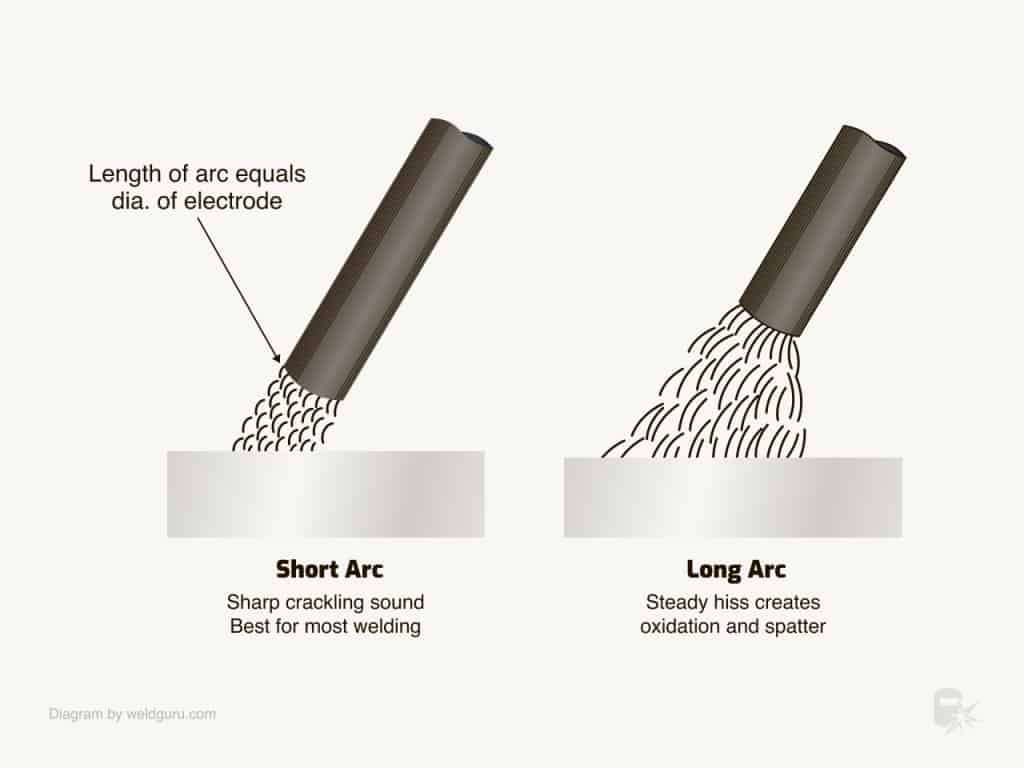
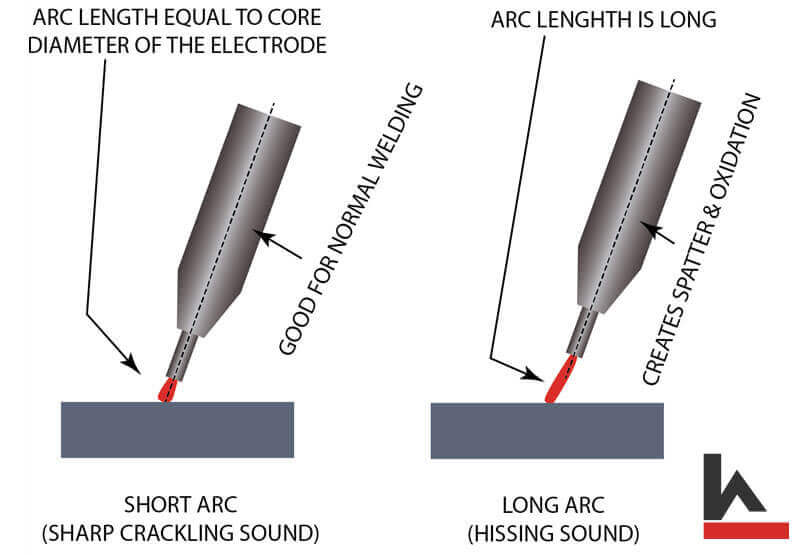
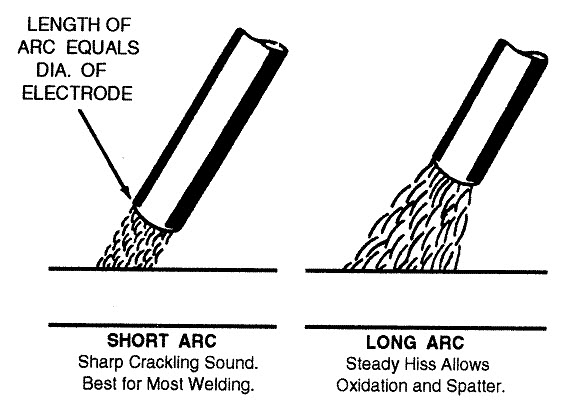
So, how do you find the sweet spot for arc length? A good rule of thumb is to keep the arc length approximately equal to the diameter of the electrode. For example, if you're using a 1/8 inch electrode, aim for an arc length of around 1/8 inch. However, this is just a starting point. You'll need to adjust based on the type of electrode, the metal you're welding, and the specific welding parameters you're using. Listen to the sound of the arc. A consistent, buzzing sound usually indicates a good arc length, while a crackling or sputtering sound might suggest that your arc is too long. Watch the puddle – the molten metal that forms as you weld. A stable, well-defined puddle is another sign of a good arc length.
Here are a few practical tips to explore arc length: Practice, practice, practice! Start with scrap metal and experiment with different arc lengths. Observe the weld puddle, listen to the sound of the arc, and pay attention to how the electrode melts. Try varying the arc length slightly and see how it affects the weld. Another simple way to explore is by consciously changing the arc length during a single weld. Start with a short arc, then slowly lengthen it, and observe the changes in the weld bead. Remember, finding the proper arc length is an iterative process. Don't be afraid to experiment and learn from your mistakes. With practice, you'll develop a feel for the right arc length for any given situation.