What Is The Physical Properties Of Aluminum
Hey there, friend! Ever wondered about aluminum? You know, that stuff soda cans are made of, and airplanes too? It's pretty darn cool, and today we're gonna dive into its physical properties. Don't worry, it won't be like a boring science lecture, I promise! Think of it as a fun fact-finding mission. Prepare for aluminum-mania!
Lightweight Champion!
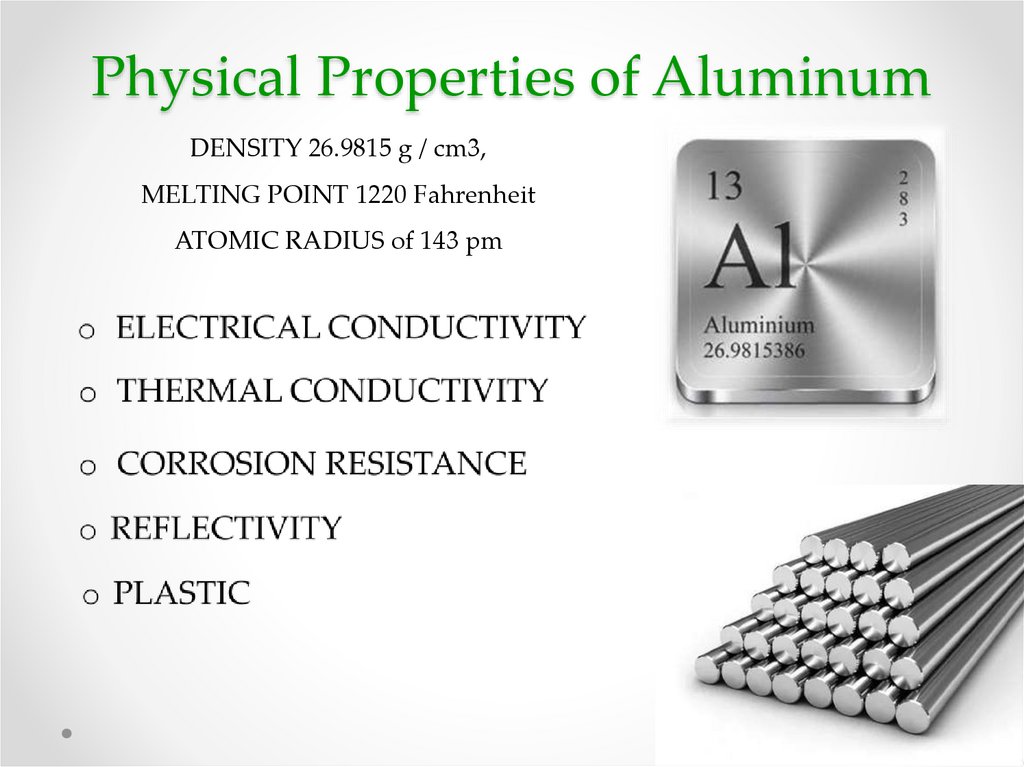
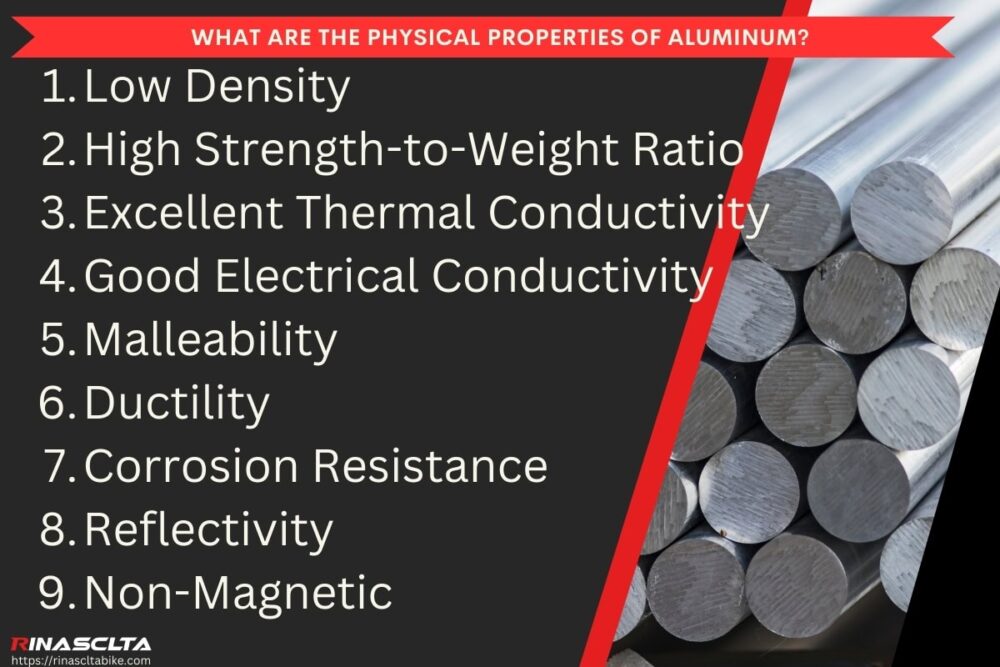
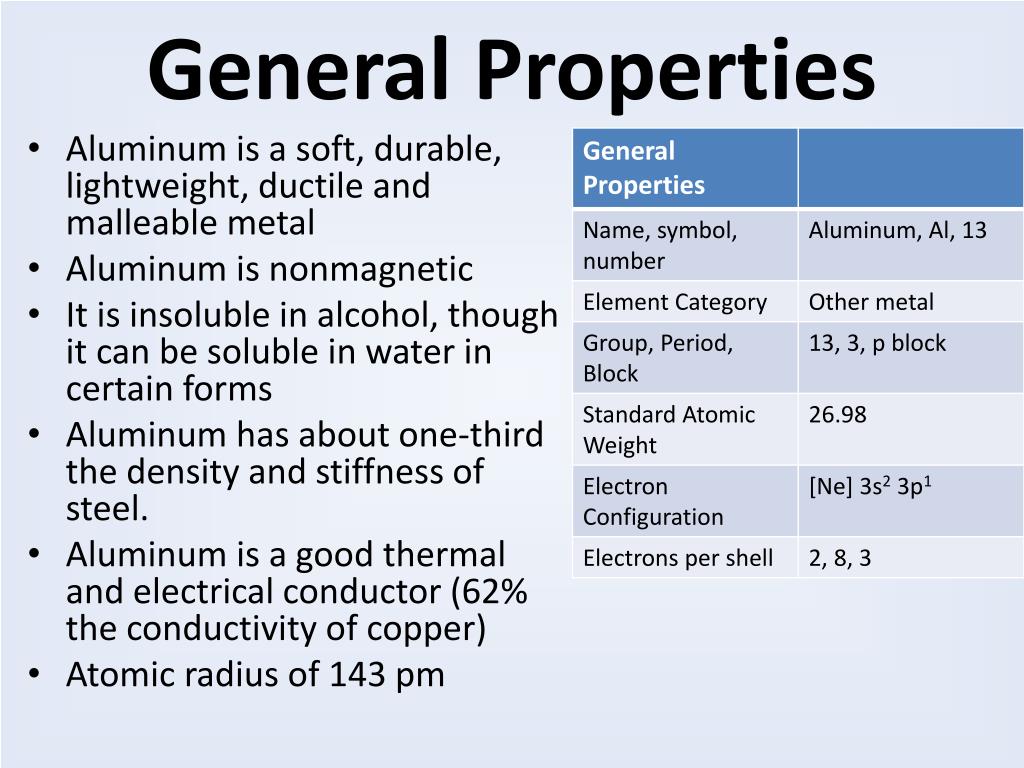
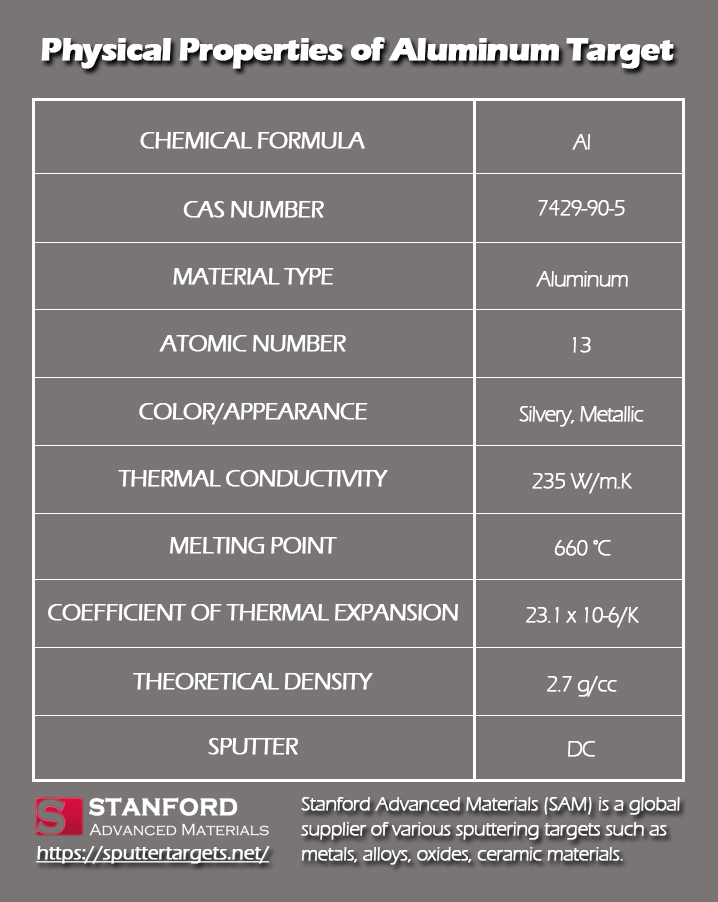
First up, let's talk weight. Aluminum is a serious lightweight. Seriously! It's about one-third the weight of steel. Imagine carrying three soda cans versus three steel cans. You'd be feeling that steel, trust me. That's why it's so popular in the aerospace industry. We want planes to fly, not sink like rocks (unless that's your kind of flying...in which case, maybe submarines are more your thing?).
Mr. Flexible (But Strong!)
Next up, ductility and malleability. These are fancy words for saying aluminum is easy to shape. Ductility means you can stretch it into wires (think power lines!), and malleability means you can hammer it into thin sheets (like aluminum foil, for your amazing cooking adventures...or just covering leftovers). It's like Play-Doh, but way more useful. And less likely to end up stuck to your carpet. Bonus!
Must Read
Shiny, Happy Metal
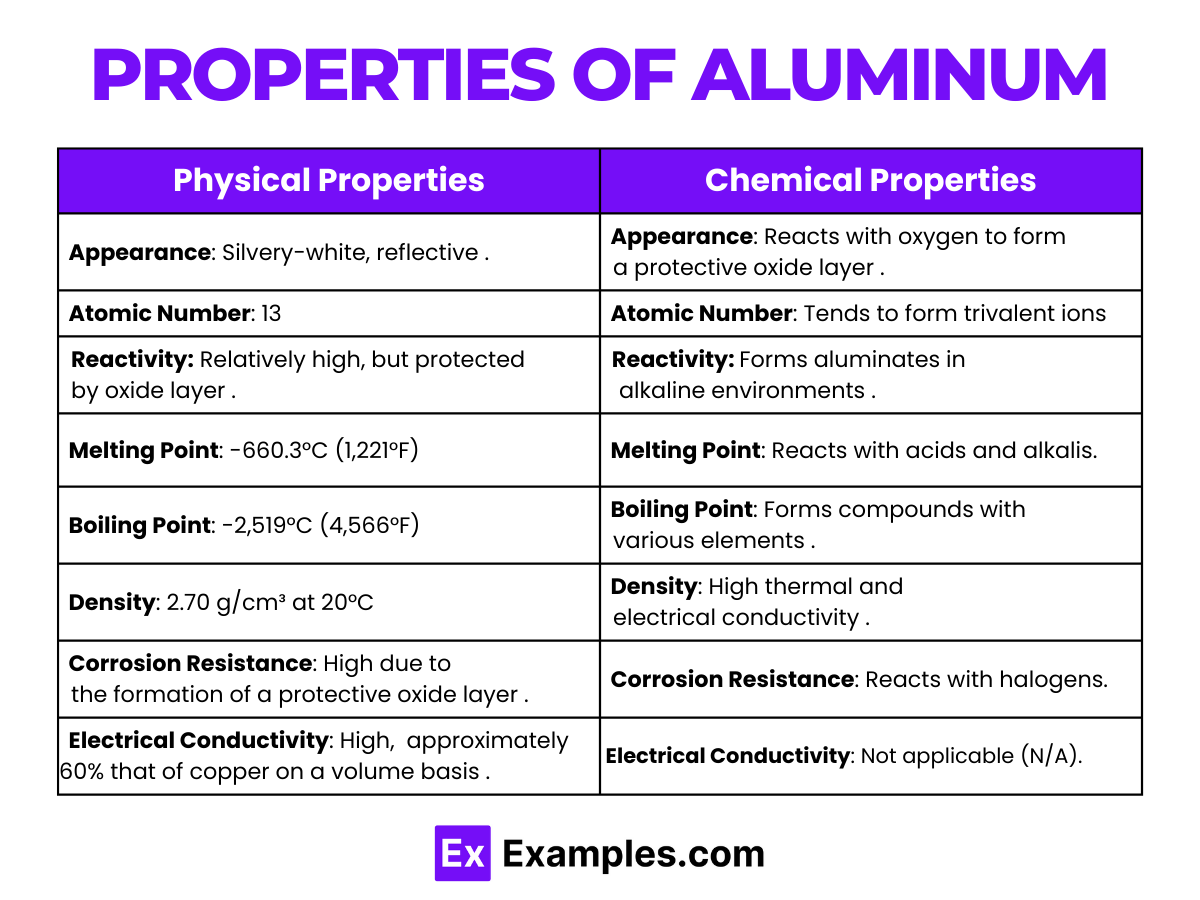
Let’s talk about looks! Fresh aluminum has a shiny, silvery appearance. It’s like the disco ball of metals (though, I wouldn't recommend making a disco ball out of pure aluminum...too soft!). This shine comes from its ability to reflect light. But here’s the kicker, when exposed to air, it forms a thin layer of aluminum oxide which protects it from further corrosion. Pretty smart, huh? It's like a self-healing superpower!
Conductivity King
Aluminum is a fantastic conductor of electricity and heat. Okay, maybe not as good as copper, but it's still really good, and way lighter and cheaper. That's why you see it in power lines (again!) and cookware. You want your pasta water to boil, right? Aluminum's got your back (or, rather, your pot's back). Just don't touch it when it's hot! I'm not liable for burnt fingers!
Melting Moments
The melting point of aluminum is around 660 degrees Celsius (1220 degrees Fahrenheit). So, unless you’re hanging out in a volcano, you probably don’t need to worry about your soda can spontaneously melting. Though, I wouldn’t recommend storing it next to a bonfire. Just saying!
Corrosion Crusader (Sort Of)
Remember that protective aluminum oxide layer we talked about? Well, that makes aluminum pretty resistant to corrosion. It doesn't rust like iron, which is a major win! This is why it's used in so many outdoor applications, from siding on houses to boat hulls. Unless you are talking about sea water! Then things start getting a bit more complicated, and that is a topic for another exciting metal adventure!
Non-Magnetic Marvel
And last, but definitely not least: aluminum is non-magnetic. You can't stick a fridge magnet to it. So, if you were planning on building a giant electromagnet out of soda cans...well, you might need to rethink your plans. Sorry to burst your bubble (of magnetic aspirations)!
So, there you have it! A whirlwind tour of aluminum's awesome physical properties. It's light, strong, shapable, shiny (ish), conductive, and corrosion-resistant. What's not to love? Now you can impress your friends at parties with your newfound aluminum knowledge. You’re basically a metal expert now! Go forth and spread the aluminum love! And remember, even something as simple as a soda can is made of some pretty fascinating stuff. Keep exploring, keep learning, and keep smiling!