
What Is The Operating Temperature Of A Car Engine

Ever wondered what's really going on under your car's hood? Beyond the belts and hoses, there's a whole fiery world! Let's talk engine temperature. It's hotter than you think.
Why Should You Care About Engine Temperature?
Okay, so maybe you're not a gearhead. That's cool. But your engine's temperature is super important. It's like your car's internal body temperature. Too high, and things get bad. Real bad.
Think of it like this: you wouldn't ignore a fever, right? Your car's the same! Ignoring engine temperature is basically ignoring a cry for help. Plus, knowing this stuff is just plain fun!
Must Read
So, How Hot Are We Talking?
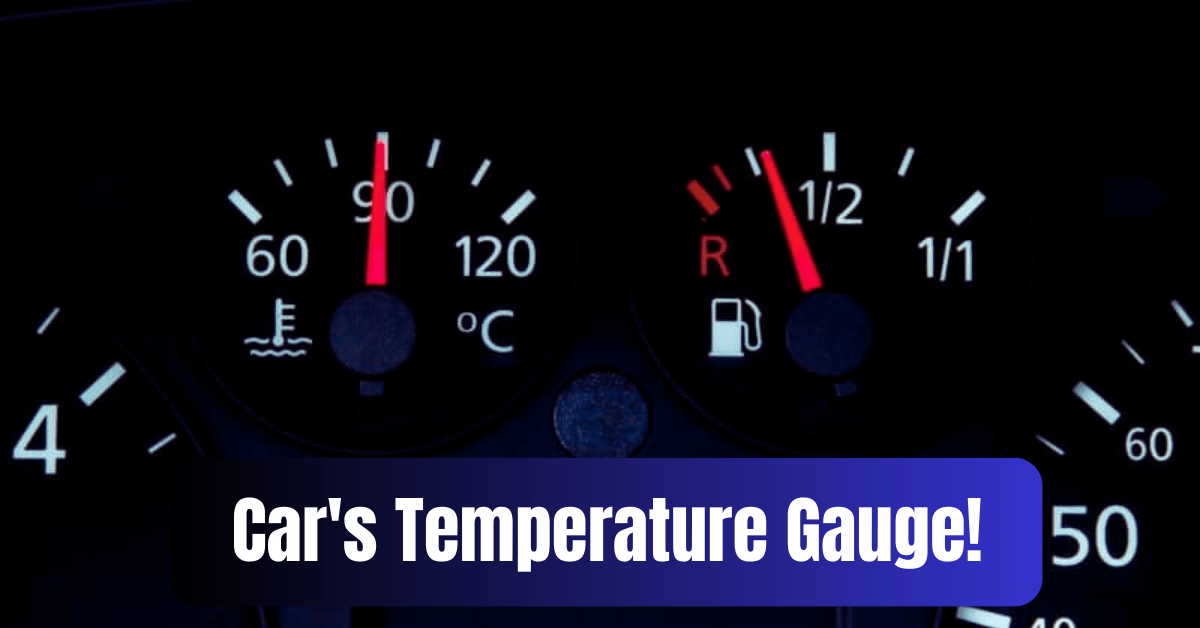
Get ready for some numbers! A typical car engine operates between 195 and 220 degrees Fahrenheit (90 to 104 degrees Celsius). Yeah, that's hot enough to boil water.
Imagine a nice, relaxing bath... then crank it up to 200 degrees! Nope, not relaxing anymore. That's what your engine is dealing with, constantly.
But wait, there's more! Some engines, especially newer ones designed for efficiency, can run even hotter. We're talking closer to 230-240°F (110-115°C)! It's all about maximizing fuel combustion, but pushing the limits.
Why So Hot? Friction, Baby!
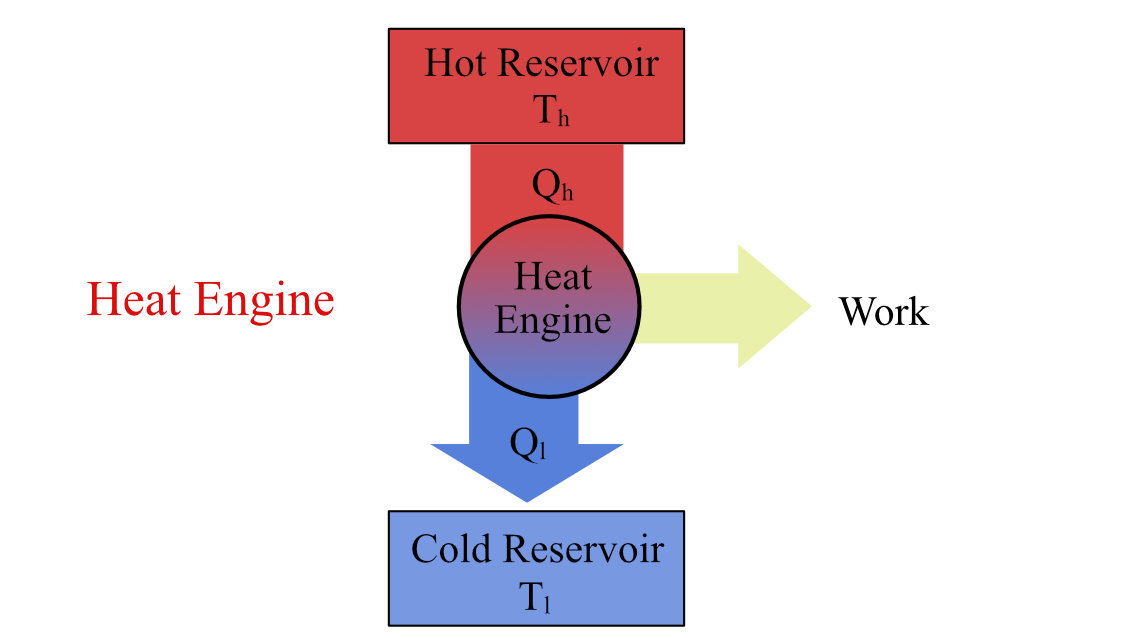
All that whirring and spinning inside the engine creates a ton of friction. Pistons pumping, crankshafts rotating... it's a mechanical dance party that generates heat. Think of rubbing your hands together really fast. Feel that warmth? Now multiply that by a million and put it inside a metal box.
And then there's the combustion itself! Exploding fuel is a pretty heaty process, wouldn't you say?
The Cooling System: Your Engine's Best Friend
Thank goodness for the cooling system! It's like a built-in air conditioner for your engine. Water and coolant are pumped through passages in the engine block, absorbing all that heat.

This hot liquid then flows to the radiator, where air flowing past cools it down. It's a continuous cycle, like a miniature, high-stakes water park ride for coolant.
That little temperature gauge on your dashboard? That's your window into this crazy cooling process. Keep an eye on it!
What Happens When Things Get Too Hot?
Overheating is never a good sign. It's like your engine is screaming, "Help me! I'm melting!" And, well, it kind of is.
Extreme heat can cause some serious damage. Warped cylinder heads, cracked engine blocks, blown head gaskets... the list goes on. And fixing these problems is expensive.
Think of it like running a marathon without water. You'll collapse. Your engine will, too, in its own metallic way.
Signs of Overheating: Pay Attention!
Luckily, your car usually gives you some warning signs before it completely melts down. Keep an eye out for:

- The temperature gauge creeping into the red zone.
- Steam coming from under the hood (careful!).
- A sweet, sickly smell (that's coolant!).
- Reduced engine power.
If you see any of these, pull over immediately and let the engine cool down. Call for help if needed.
Quirky Engine Temperature Facts
Okay, ready for some random trivia? Here we go:
- Did you know that some racing engines are designed to run at even higher temperatures than regular cars? They push the limits for maximum performance, but it's a risky game.
- Back in the day, some cars didn't even have a temperature gauge! You just had to guess if your engine was about to explode. Talk about living dangerously.
- The ideal engine temperature can vary depending on the car model, engine type, and even the weather. That's why car manufacturers put so much engineering into designing the cooling system.
Keeping Your Cool (Literally)
Maintaining your car's cooling system is essential for keeping your engine happy. Here are a few tips:
- Check your coolant level regularly.
- Have your cooling system flushed and refilled according to your manufacturer's recommendations.
- Inspect your hoses and belts for cracks or leaks.
- Don't ignore warning signs!
So, there you have it! A whirlwind tour of engine temperature. Now you can impress your friends (or at least bore them) with your newfound knowledge. Remember, a happy engine is a cool engine! Go forth and drive safely!