What Is The Normal Thermostat Setting For Winter
Let's face it, in the depths of winter, the thermostat becomes a battleground. Is it a symbol of frugal responsibility or a beacon of cozy comfort? The answer, surprisingly, isn't a fixed number, but a balancing act! And while there's no single "normal," understanding the sweet spot can save you money and keep you from resembling a popsicle. Think of it as your personal Goldilocks zone: not too hot, not too cold, but just right.
But why should you care beyond the monthly energy bill? Because finding your optimal thermostat setting is about more than just financial prudence. It's about fostering a comfortable and productive environment. And this, my friends, is where the creative magic happens! For artists, a stable temperature can mean fewer distractions and steadier hands for intricate work. Imagine trying to paint delicate details while shivering! For hobbyists, a consistently warm space encourages longer, more focused sessions on projects, whether it's building model airplanes or perfecting that sourdough starter. And for the casual learner, a cozy environment simply makes curling up with a good book or online course infinitely more appealing. Think of your thermostat as a facilitator of fun and learning!
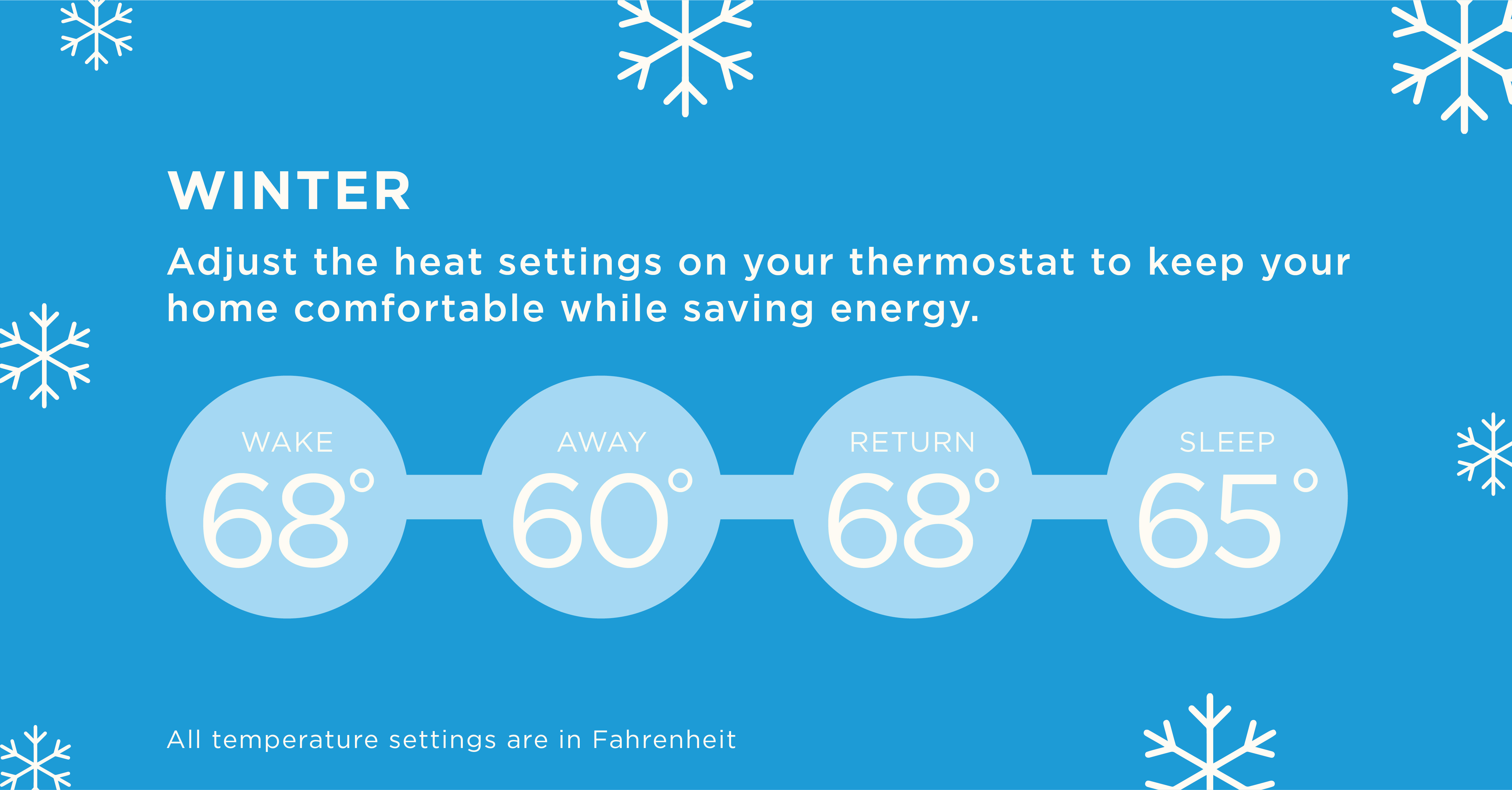
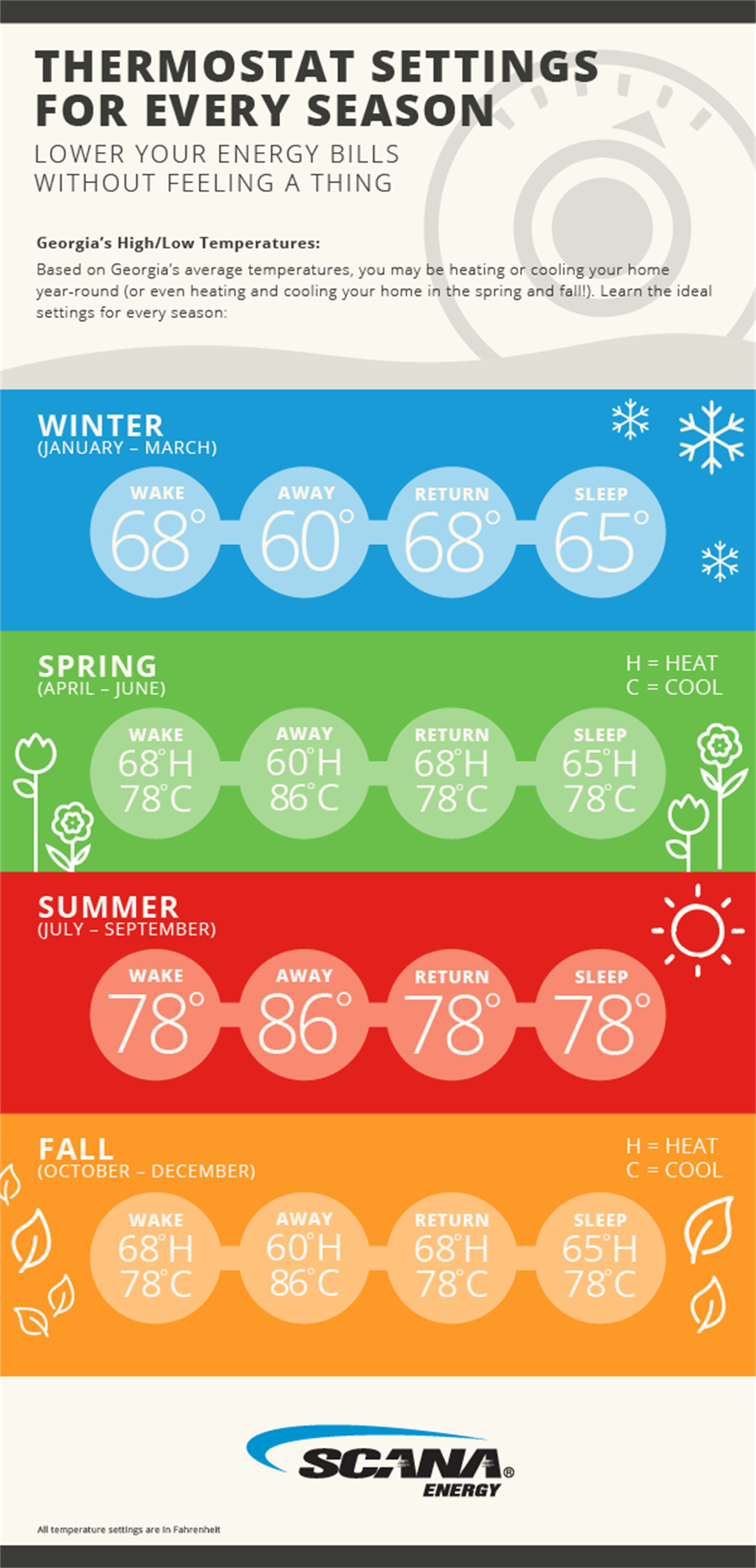
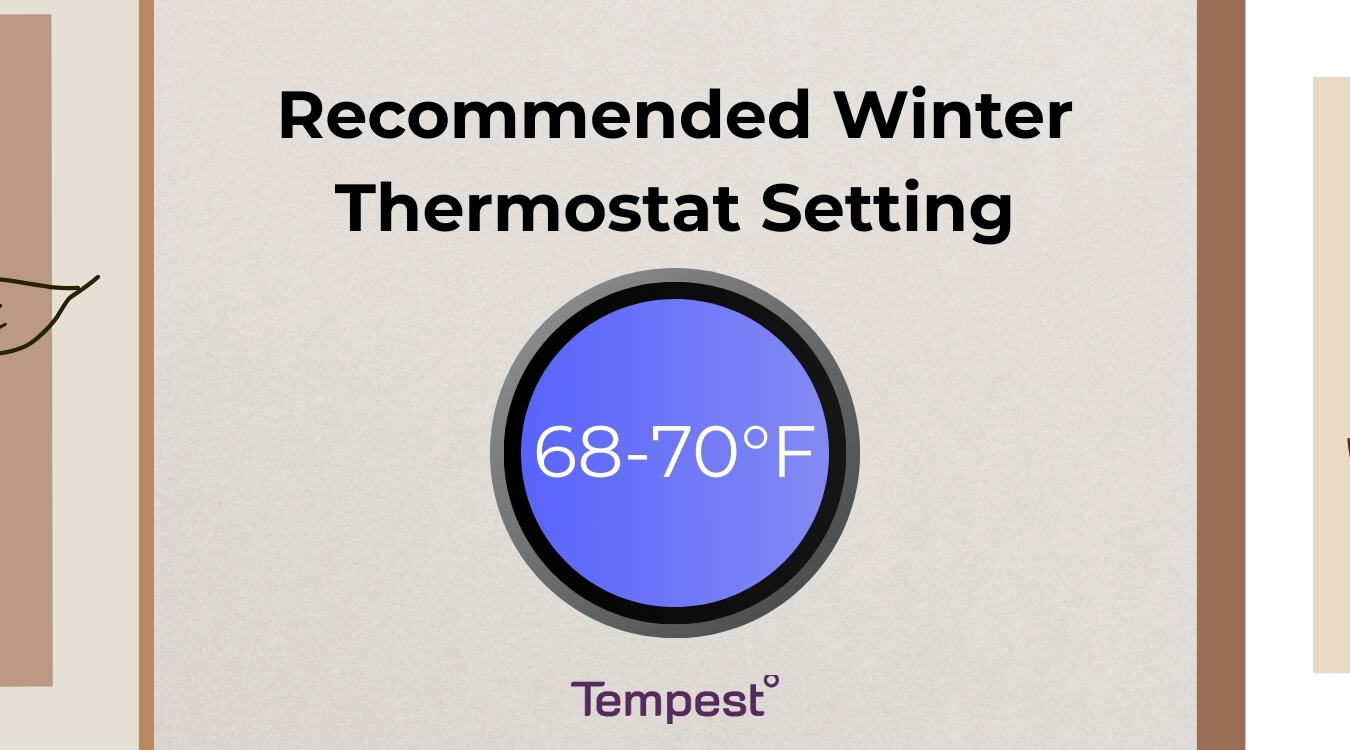
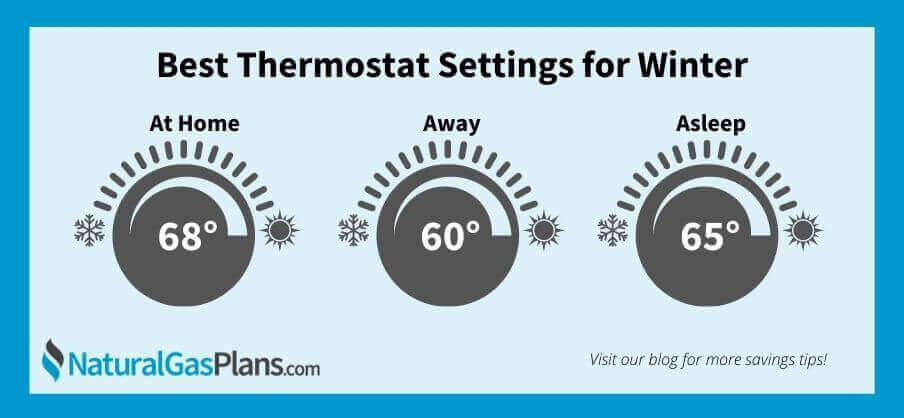
So, what's the magic number? While everyone's tolerance differs, a good starting point is 68°F (20°C) when you're home and awake. This allows for comfortable clothing and activity without excessive energy consumption. When you're asleep or away, consider lowering it to 62°F (17°C). This can save a significant amount on your heating bill without causing pipes to freeze (unless you live in an exceptionally cold climate, in which case, consult a professional). Experiment with different settings in between these ranges to find what works best for you. Maybe you prefer 70°F while reading, but 65°F while exercising indoors.
Must Read
Tips for Thermostat Taming:
- Invest in a programmable thermostat: This allows you to set different temperatures for different times of the day, maximizing energy savings and comfort.
- Seal any drafts: Check windows and doors for gaps and use weather stripping or caulk to seal them. This prevents heat from escaping and cold air from entering.
- Layer up: Wear warm clothing, even indoors. A sweater and socks can make a big difference and allow you to keep the thermostat a bit lower.
- Consider zone heating: If you only use certain rooms during specific times, use space heaters to warm those areas instead of heating the entire house.
- Don't drastically change the temperature: Bumping the thermostat up several degrees won't heat the house any faster and can actually waste energy.
Ultimately, finding your perfect winter thermostat setting is about creating a space that supports your lifestyle and well-being. It's about striking a balance between comfort, energy efficiency, and financial responsibility. And perhaps most importantly, it's about creating a cozy haven where you can pursue your passions, relax, and simply enjoy the season. It's a journey of discovery, a personal quest for the perfect internal climate. So, experiment, adjust, and find the temperature that makes you say, "Ah, this is winter!"