
What Is The Normal Battery Voltage For A Car
Okay, let's talk car batteries. Specifically, the voltage. Buckle up, because this might get...controversial.
The "Normal" Number: What Everyone Thinks
Everyone thinks they know the answer, right? "It's 12.6 volts!" they proclaim. Like it's some magic number etched in stone. Is it, though?
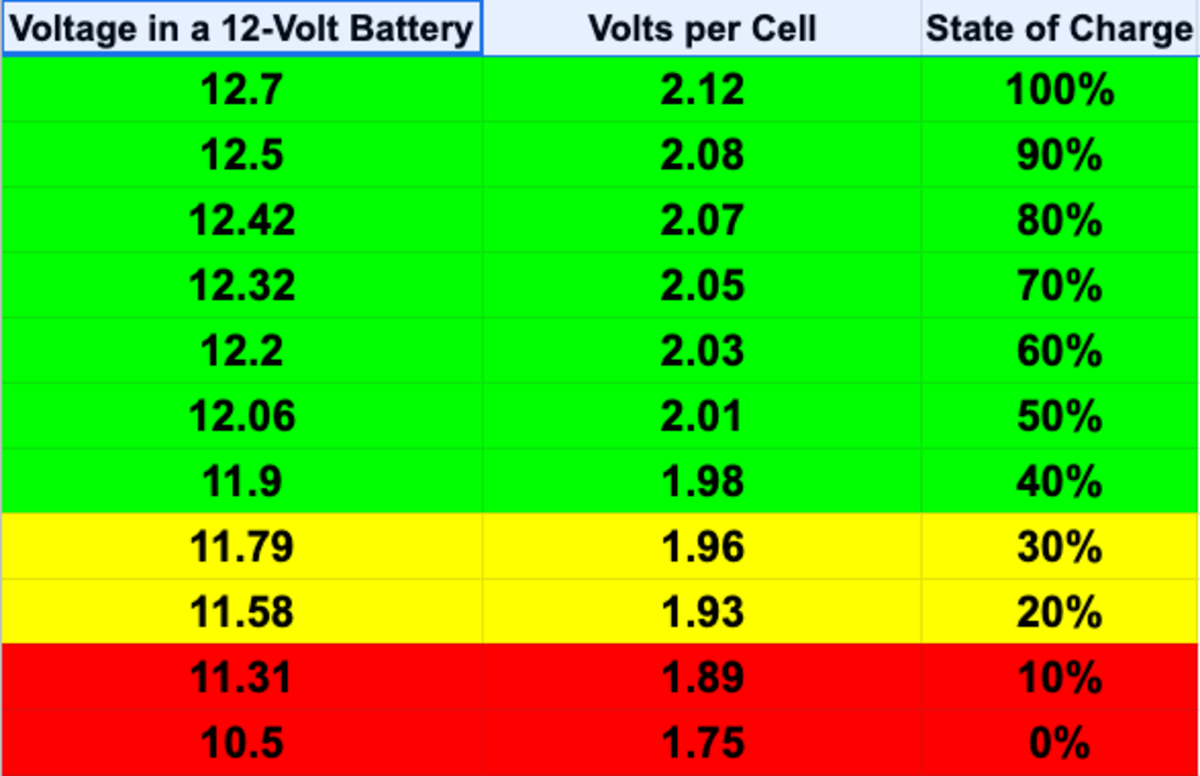
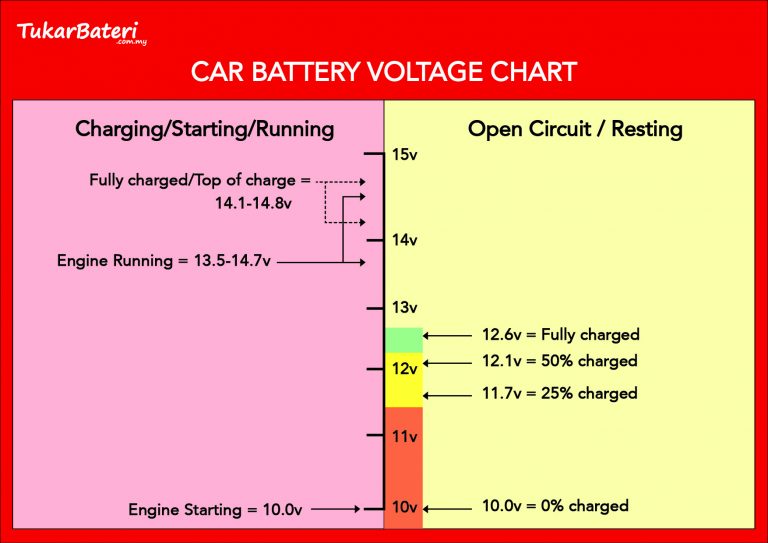
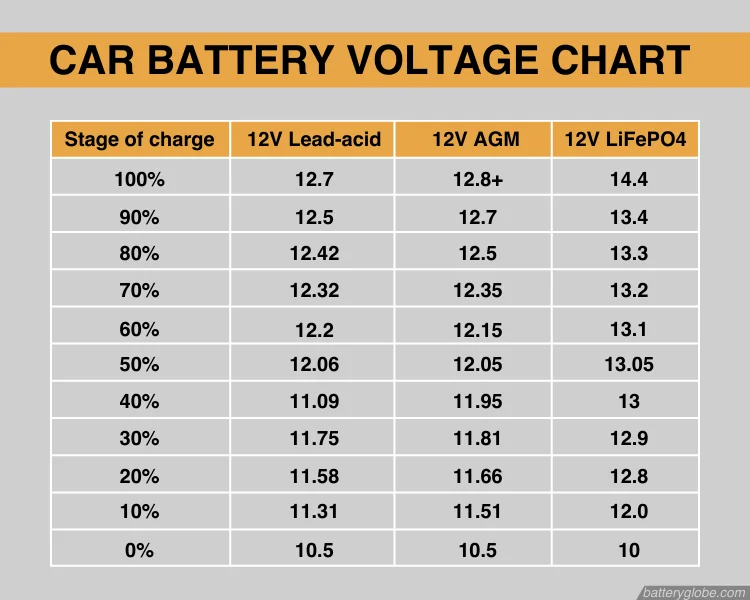
Well, technically, a fully charged 12-volt car battery should read around 12.6 volts. But "should" and "is" are two very different things.
Must Read
Resting Voltage: When Your Car's Taking a Nap
This is the voltage when your car is off. Completely off. Like, hasn't been touched in hours kind of off.
That 12.6 volts? That's the ideal. Think of it like the perfect cup of coffee. Rarely achieved, but nice to imagine.
Anything above 12.4 volts is generally considered good. Below that, and you might be heading for trouble. Time to investigate and possibly replace the battery.
Charging Voltage: When Your Car's Getting Juice
Now, when your car is running, the alternator kicks in. It's like the battery's personal charging station.
The voltage should jump up to around 13.7 to 14.7 volts. This means the alternator is doing its job. Pumping electricity into the battery to keep it happy.
If it's significantly lower, you might have an alternator issue. Or a really, really unhappy battery.
My Unpopular Opinion: "Normal" is a Myth
Okay, here's where I might lose some of you. I think the whole idea of a single "normal" voltage is a bit of a myth. Ready to fight me?
Think about it. Every car is different. Every battery is different. Every driving style is different.
Trying to cram them all into one neat little voltage box just doesn't work. It's like trying to fit a square peg into a round hole.
Factors That Mess With Your Voltage
So many things can affect your battery's voltage. Temperature, for example. Cold weather? Voltage drops. Hot weather? Voltage can fluctuate.
The age of the battery is another big one. A brand-new battery will obviously perform differently than one that's been through the ringer.
Even the electrical load on your car plays a role. Headlights, AC, the booming stereo… they all drain power.
It's a Range, Not a Number
Instead of obsessing over 12.6 volts, think of it as a range. A healthy range of voltages that indicates a healthy battery and charging system.
A slight deviation from the "norm" isn't necessarily cause for panic. It's just a sign that your car is, well, a car.
Don’t get me wrong, significant drops in voltage should be investigated promptly.
The Real Test: Can It Start Your Car?
Ultimately, the most important test is simple: can your battery start your car? Does it crank strongly and reliably?
If the answer is yes, then who cares if it's not exactly 12.6 volts? If it ain’t broke, don’t fix it.
A battery that consistently starts the car, even with minor voltage fluctuations, is doing its job. It's a reliable little workhorse.
Don't Be a Voltage Stalker
My advice? Don't become a voltage stalker. Obsessively monitoring your battery's voltage 24/7 isn't healthy.
A quick check now and then is fine. But spending all your time worrying about minor fluctuations? That’s overkill.
Just listen to your car. Pay attention to how it starts. And address any issues promptly.
Tools of the Trade: Checking Your Voltage
Alright, so you want to check your voltage. Good for you! Knowledge is power, after all.
You'll need a multimeter. They're relatively inexpensive and easy to use. Even I can figure it out.
Just connect the red lead to the positive terminal and the black lead to the negative terminal. Easy peasy.

Interpreting the Results: Don't Panic!
Once you have a reading, don't panic if it's not perfect. Remember, it's a range.
Consider the factors we discussed earlier: temperature, age, load. And most of all, don’t overthink!
If you're concerned, consult a mechanic. They can perform a more thorough battery test.
When to Worry: Red Flags to Watch Out For
Okay, so I've said "don't panic" a lot. But there are definitely times when you should worry.
Slow cranking is a major red flag. It means your battery is struggling to provide enough power to start the engine.
Dimming headlights, especially at idle, can also indicate a problem. Get the car inspected by a qualified technician to avoid further issues.
The Dreaded Click: The Sound of Impending Doom
And then there's the dreaded "click." That awful sound of a battery that's completely given up the ghost.
If you hear that, you're stranded. Call for a jump start or a tow. You may need a jump start to solve this issue.

Prevention is key. Regular battery checks can help you avoid this scenario.
Battery Maintenance: Keeping Your Battery Happy
A little bit of maintenance goes a long way. Keep your battery terminals clean. Corrosion can interfere with the connection.
Avoid leaving your lights on or accessories running when the engine is off. That drains the battery unnecessarily.
And if you live in a hot climate, consider using a battery blanket in the winter. Temperature management improves the life and reliability of the battery.
The Bottom Line: Trust Your Gut
In the end, trust your gut. If something feels off, it probably is. Listen to your car.
Don't rely solely on a single voltage reading. Consider the overall performance of your battery and charging system.
And if you're ever unsure, consult a professional. They have the tools and expertise to diagnose any issues.
So, there you have it. My (probably unpopular) take on car battery voltage. Hope it made you smile!
Now go check your battery. Or don't. Whatever makes you happy.