What Is The Non Renewable Energy

Imagine waking up in the morning. Maybe you hit the snooze button on your phone, powered up and ready for another day. You flick on the light, perhaps boil water for your tea or coffee on a gas stove, or hop in your car for the daily commute. Everything around us, from the plastics in your keyboard to the electricity lighting up this very screen, hums with a silent power source. We take it for granted, this incredible energy that fuels our modern lives, but have you ever stopped to think about its fascinating, often ancient, origins?
The Earth's Secret Stash: What Powers Our World?
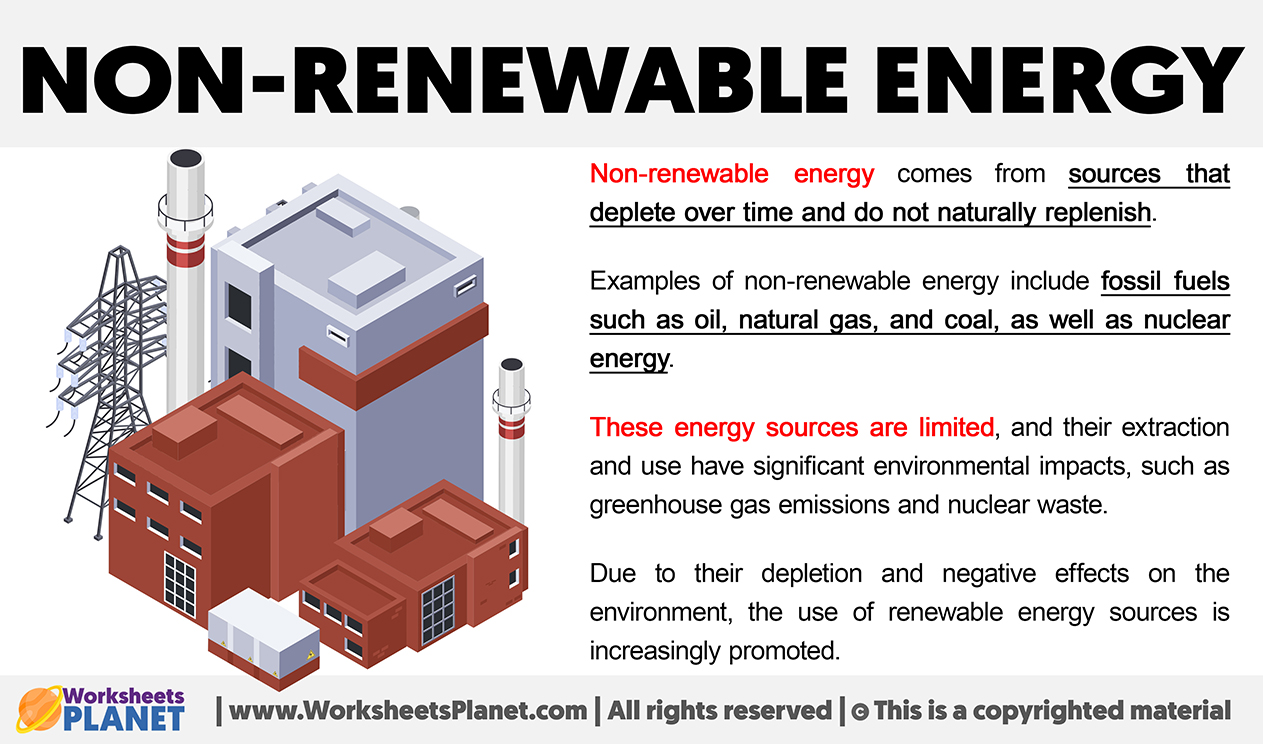
Think of Earth as a magnificent, ancient chef, constantly cooking up wonders. Among its most potent creations are the sources of energy we call non-renewable. These aren't like a garden that grows new vegetables every season, or a solar panel soaking up fresh rays each morning. Oh no. These are like a very special, incredibly rare ingredient that took millions upon millions of years to create, and once it's used up, it's gone. It's Earth's limited-edition stash, meticulously crafted over eons.
Meet the Energy Superstars: A Trip Down Memory Lane
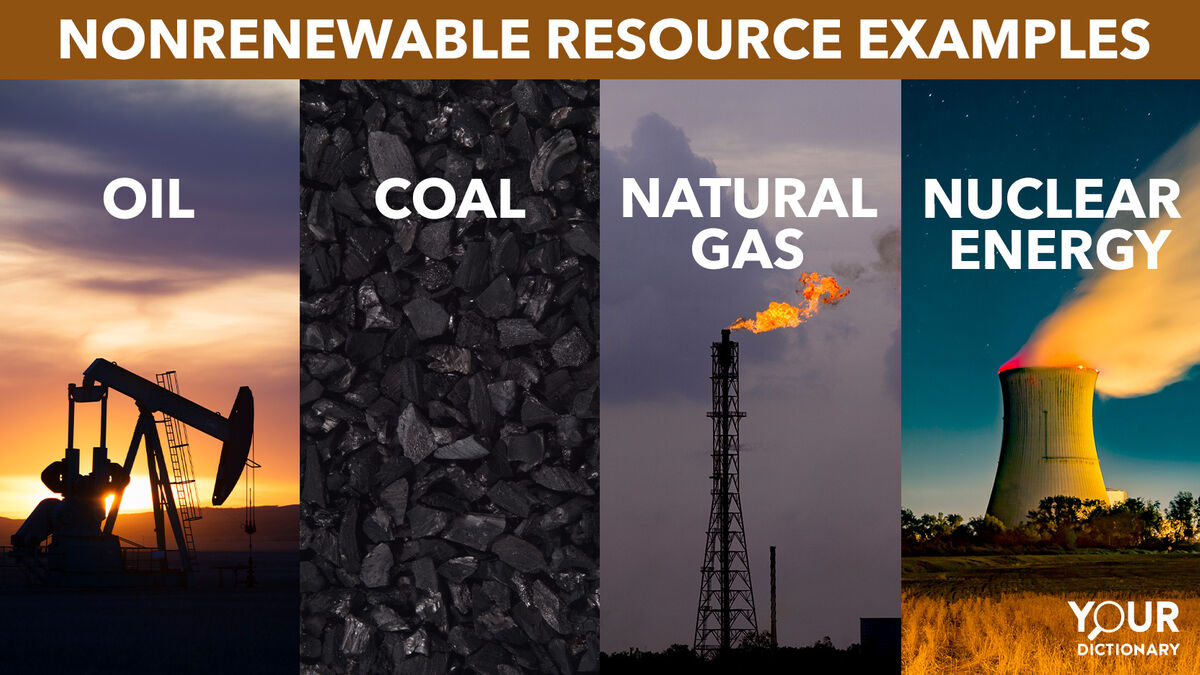
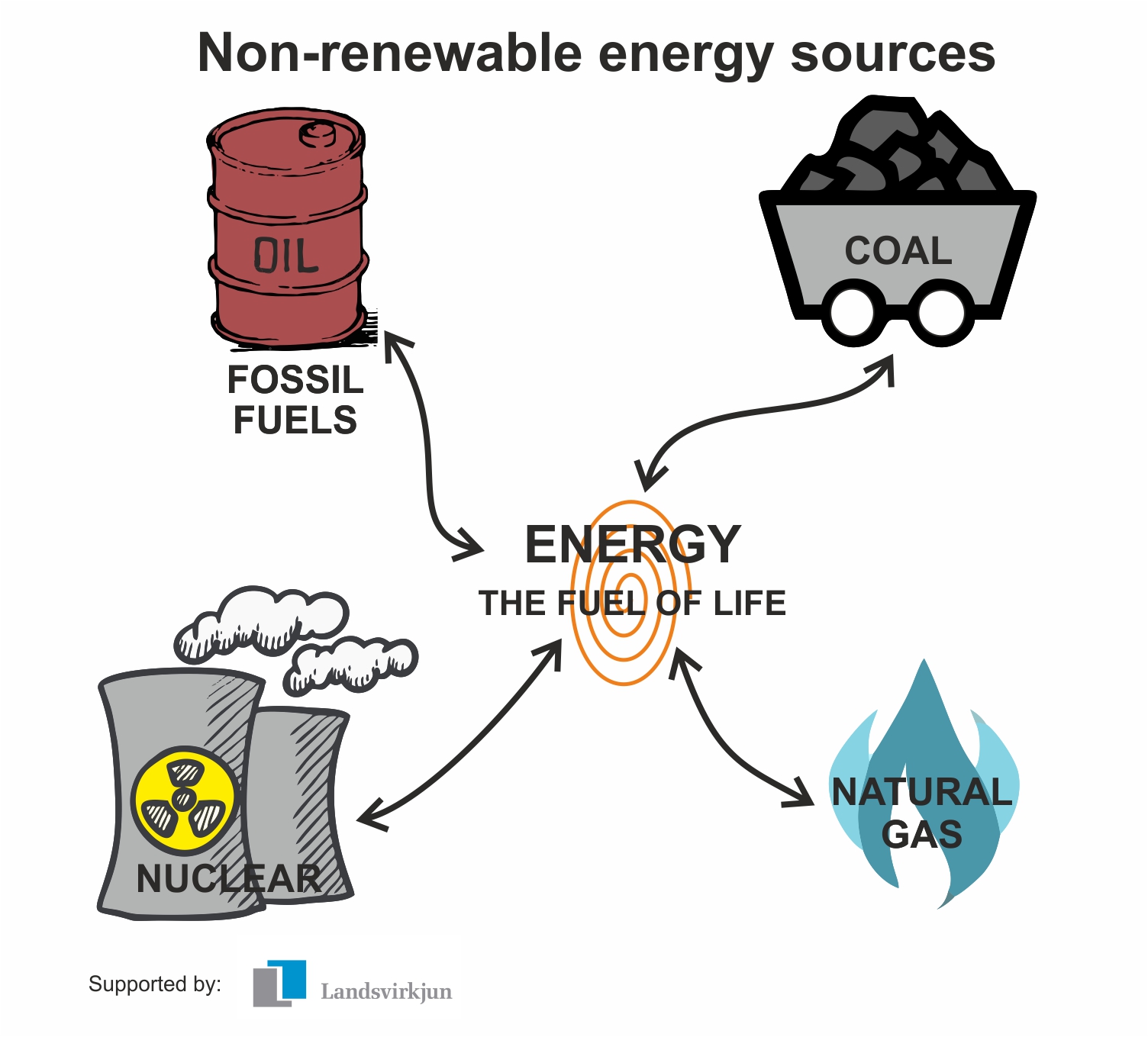
Our planet's energy pantry holds a few star players. First up, we have Coal. Imagine vast, ancient swamps, teeming with plants that died and slowly, over staggering stretches of time, were buried and compressed by layers of earth, heat, and pressure. Voila! Coal was born – a solid, black rock that became the backbone of the Industrial Revolution, powering steam trains, factories, and lighting up cities. It warmed homes and forged our early modern world, a true workhorse of human progress.
Must Read
Then there's Oil, often called "liquid gold." This slippery marvel began life as tiny marine organisms – plankton and algae – that lived millions of years ago. When they died, they sank to the seabed, got buried under sediment, and, with immense pressure and heat, transformed into the thick, dark liquid we know today. From turning a key in your car's ignition to creating the synthetic fabrics in your clothes and countless plastics, oil is everywhere, making our world run with a surprising smoothness.
And let's not forget Natural Gas. Often found nestled alongside oil deposits, this invisible powerhouse is the result of similar ancient processes. It’s the invisible friend heating our homes, cooking our meals, and even generating electricity. It’s clean-burning compared to its cousins and offers a quiet, reliable warmth that makes a cold evening feel wonderfully cozy.

Finally, we have Nuclear Energy, a bit of a maverick in the non-renewable family. Instead of relying on ancient organic matter, nuclear power harnesses the immense energy released when the nucleus of an atom, typically uranium, is split. It’s a mind-boggling concept, taking something so tiny and making it produce so much power, quietly humming away in plants that generate vast amounts of electricity without burning anything at all. It’s like having a microscopic giant working tirelessly for us.
The Unsung Heroes: Earth's Incredible Time Machine
What's truly astonishing about these resources isn't just their power, but their age. When you fill your car with gas, you're not just buying fuel; you're buying a piece of Earth's deep history, possibly containing the remnants of life from the Mesozoic Era. Picture this: millions of years ago, a leafy plant falls into a swamp. Fast forward through epochs, ice ages, continental shifts, and the occasional wandering
dinosaur(who unknowingly added to the rich organic stew), and that plant is now part of the energy that heats your pizza oven. It's like unwrapping a present that took 300 million years to arrive!
It's easy to overlook the sheer poetic irony that the very forces that shaped ancient ecosystems are now shaping our modern society. The warmth of a natural gas fireplace on a winter night is, in a way, a gift from Earth's ancient carbon cycle, delivering stored sunlight from forgotten ages right into our living rooms. It’s a heartwarming thought, connecting us directly to the planet’s profound geological past.
The Grand Finale (But Not Really): Cherishing Our Finite Resources
The catch, of course, is that these aren't limitless. They are truly finite resources, meaning Earth isn't making more in any human-meaningful timescale. We're essentially working through a geological inheritance, using up what took vast stretches of time to accumulate. This understanding isn't a downer; it's an invitation to appreciate these incredible gifts for what they are – powerful, transformative, and deeply connected to our planet's story.
As we navigate the future, these ancient energy sources continue to play a crucial role, powering our transition to even newer, more sustainable solutions. They remind us of the immense power and slow, steady artistry of our planet, and push us to constantly innovate, proving that human ingenuity, much like Earth's processes, never truly stops evolving.