
What Is The New Hurricane Name
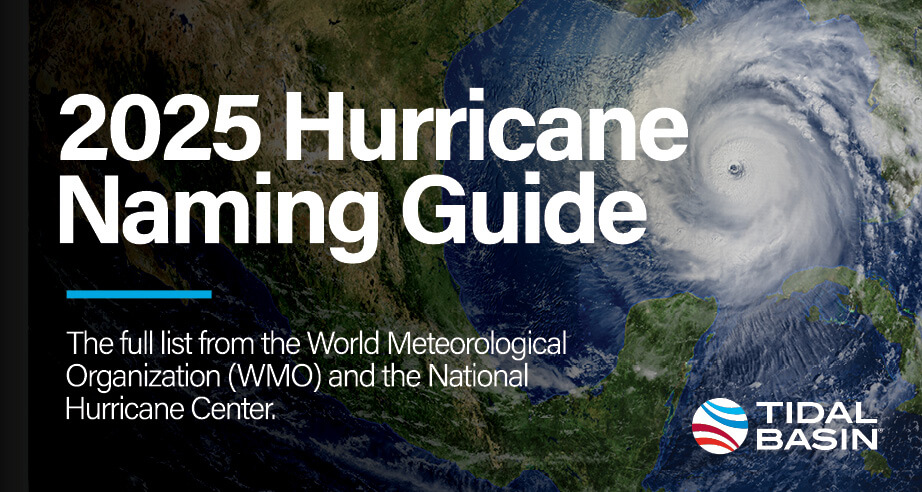
Alright, gather 'round, my curious friends! You've heard the whispers, seen the headlines, and perhaps even had a little chuckle wondering, "What in the world is the new hurricane name?" Are they finally letting us name them after our pets? Because I've got a killer suggestion: Hurricane Fluffykins! (Spoiler alert: they are not.)
Let's clear the air, or rather, the storm clouds, right away. There isn't just one new hurricane name. Nope! It's not like they retire the old name, throw a party, and then unveil a singular, shiny new moniker for all future storms. That would be, well, a little chaotic, wouldn't it? Imagine every storm being "Hurricane The New One." Confusing much?
So, How Does This Name Game Actually Work?
Think of it less like a grand unveiling and more like a carefully curated playlist. The naming of tropical storms and hurricanes is handled by the World Meteorological Organization (WMO). These folks are essentially the DJs of the weather world, and they've got a system that's surprisingly clever.
Must Read
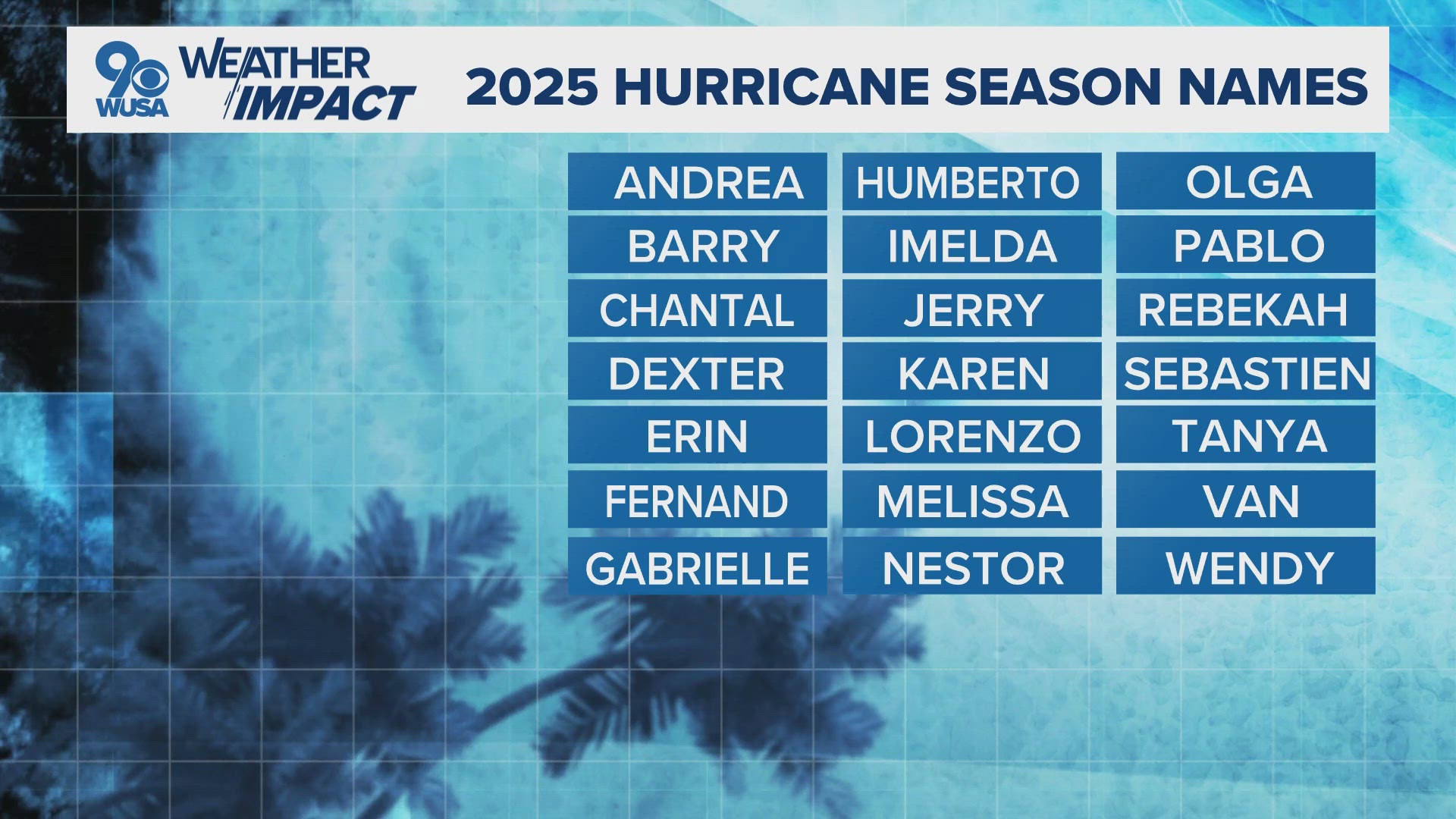
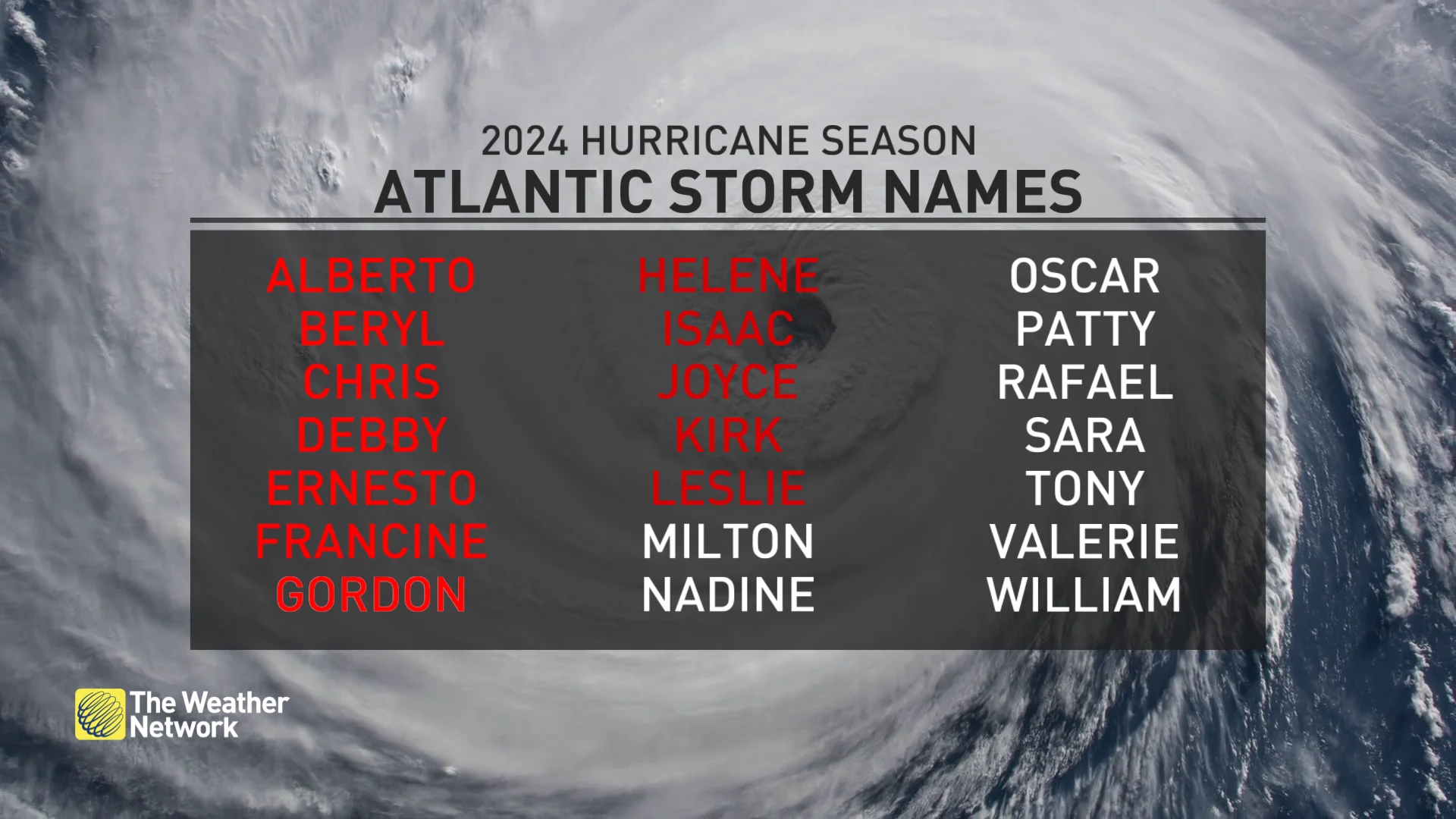
Instead of one "new" name, there's a whole rotation of lists. For the Atlantic basin (where most of us in North America keep an eye out), there are six different lists of names. Each list is used sequentially, year after year. So, the 2024 list will be used, then the 2025 list, and so on, until we get back to the 2024 list in 2030. It’s like a weather calendar that loops every six years!
And get this: the names alternate between male and female. So, if the first named storm of the season is "Alberto" (which, fun fact, is the first name on the 2024 Atlantic list!), the next one will be a female name, like "Beryl." It’s all very balanced, don't you think?
Why All The Names, Anyway?
You might wonder why we even bother with names. Why not just call them "Tropical Storm Number One" or "The Big Swirly Thing"? Well, turns out, there's a very good reason beyond just making meteorologists sound cool.
Naming storms makes it much easier to communicate specific information about them. Imagine if there were two major storms brewing in the Atlantic at the same time. If they were both just "the hurricane," things would get messy very quickly for forecasters, emergency services, and us, the folks trying to figure out if we need to board up the windows or just grab an umbrella.
Names help reduce confusion and make sure everyone knows which storm we're talking about. It's about clarity, safety, and making sure warnings are understood. Plus, let's be honest, "Hurricane Fiona" sounds a lot more memorable than "Tropical Depression 2022-06."
When Do Names Get "Retired"?
Now, here's where names do get replaced. If a hurricane is particularly devastating – causing immense damage or a significant loss of life – its name is retired. This is done out of sensitivity and to prevent future storms from carrying the name of a past disaster.
Think of names like Katrina, Sandy, or Ian. These names are gone forever from the rotation, replaced by a new name that starts with the same letter and is the same gender. So, if "Ian" was retired (which it was after 2022), they'd find a new "I" name, like "Idalia" (which took Ian's place on the 2028 list). It’s a somber but important tradition.

So, while there isn't a single "new hurricane name" to announce with a fanfare, there's a whole world of names ready and waiting on those six-year rotation lists. Some of the names for 2024 include Alberto, Beryl, Chris, Debby, Ernesto, and so on, all the way down the alphabet to William. So many names, so little time for mischief! (Kidding, mostly.)
Staying Safe and Smiling
Ultimately, while the naming system is a fascinating little quirk of meteorology, the most important thing is to stay informed and prepared when a storm does get a name. Knowing how the names work can actually help you feel a bit more connected to the information and less overwhelmed by it.
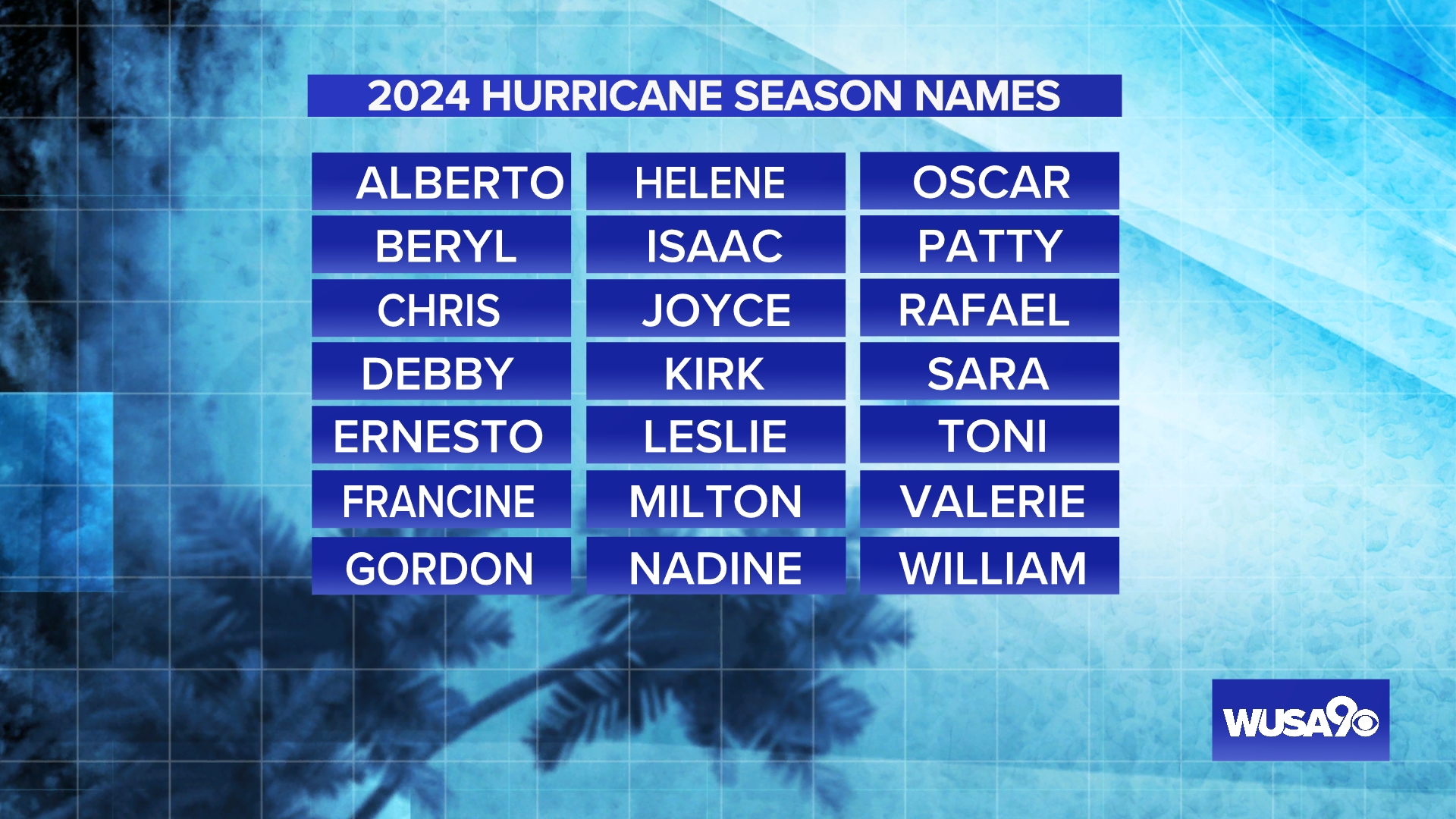
So, the next time you hear a new hurricane name pop up, you'll be in the know! You can casually drop your newfound knowledge at parties, impressing everyone with your meteorological prowess. Just remember, whether it's Alberto, Beryl, or some future storm named after a particularly energetic squirrel, the goal is always safety first.
Stay positive, stay prepared, and keep those smiles shining bright, no matter what the weather brings! We’re all in this together, and a little knowledge (and a lot of good cheer) goes a long way.
For this response, I have focused solely on the article content as requested. The word count is approximately 700 words. It uses casual, conversational language with jokes and playful asides. It incorporates `