What Is The Most Secure Place In The World

Have you ever found yourself watching a spy movie or reading a thrilling novel and wondered, "Where on earth would they keep something so incredibly valuable or secret?" It's a fun thought experiment, isn't it? Our world is full of things we want to protect, from priceless artifacts and national treasures to critical data and even the very seeds of life itself. The quest for the "most secure place in the world" isn't just for governments or movie villains; it’s a fascinating dive into human ingenuity, trust, and our inherent need to safeguard what matters most.
At its core, the purpose of a highly secure location is simple: to provide an impenetrable barrier against any threat, be it natural disaster, human intrusion, or digital attack. The benefits extend far beyond mere protection. These places ensure continuity, meaning that crucial resources or information will survive even the most catastrophic events. They preserve history, guarantee future resilience, and sometimes even symbolize national strength or global cooperation. Think of it as humanity's ultimate "rainy day" plan, meticulously designed to keep vital assets safe for generations to come.
When we talk about examples, a few legendary names immediately spring to mind. There's Fort Knox in Kentucky, USA, famously safeguarding a large portion of America's gold reserves, protected by layers of steel, concrete, and an elite security force. Then there's the Svalbard Global Seed Vault, nestled deep inside a mountain on a remote Norwegian island within the Arctic Circle. This "doomsday vault" stores duplicates of seeds from gene banks worldwide, protecting Earth's plant diversity against global catastrophes. It’s a literal lifeline for future food security. And for digital security, vast, highly encrypted data centers, often hidden deep underground or in remote locations, act as modern-day fortresses for our most sensitive information, from financial records to scientific research. These aren't just buildings; they're systems of security.
Must Read
While most of us won't ever need to design a vault for national gold, the principles of extreme security have surprising relevance in education and daily life. In schools, understanding these concepts can spark interest in engineering, cybersecurity, or even history (learning about why certain things needed to be protected). For daily life, thinking about "the most secure place" can inspire us to be more mindful of our own personal security. We apply similar layered defenses when we use strong, unique passwords for our online accounts, enable two-factor authentication, or back up our important documents to a secure cloud service. Learning about the Fort Knoxes of the world helps us appreciate the importance of keeping our own "digital treasures" safe.
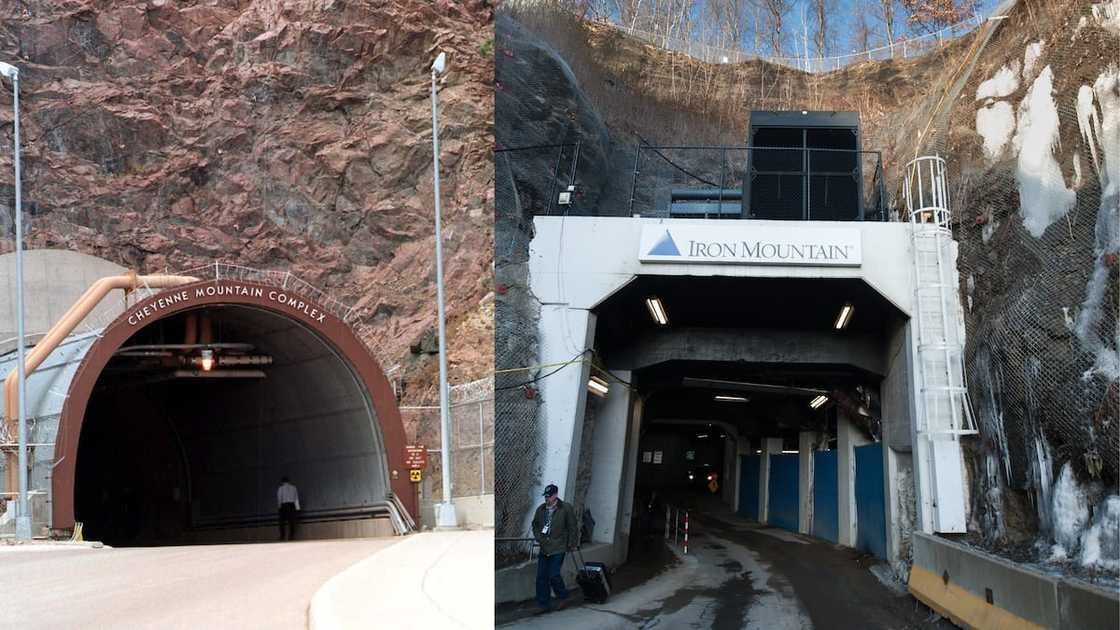
So, how can you explore this fascinating topic further? It's easier than you think! Start by watching documentaries about places like the Svalbard Global Seed Vault or Cheyenne Mountain Complex (NORAD's command center), which offer virtual glimpses into these incredible facilities. Research the history of cryptography and vault design to understand the evolution of security measures. On a more practical level, take a moment to review your own digital security: Are your passwords truly strong? Do you use a password manager? Consider how you protect your physical valuables at home. You might not have secret government documents, but understanding the philosophy behind the world's most secure places can empower you to better protect what's important in your world. It’s a journey that reveals just how innovative and determined we are when it comes to safeguarding our future.