What Is The Most Common Source Of Water Pollution
Alright, let's talk water pollution. Not the super-sciency, head-hurting kind, but the "oh yeah, I totally get that" kind. Think of water like your favorite pair of jeans. You love 'em, you wear 'em everywhere, but if you start tossing them in a mud pit every day, they’re gonna get… well, polluted.
So, what’s the biggest mud pit for our water? Drumroll please… it's agricultural runoff! I know, I know, it doesn't sound as dramatic as a nuclear meltdown or a giant oil spill. But trust me, this is the silent but deadly ninja of water pollution.
Farming: Feeding the World (and Maybe a Little Too Much to the Water)
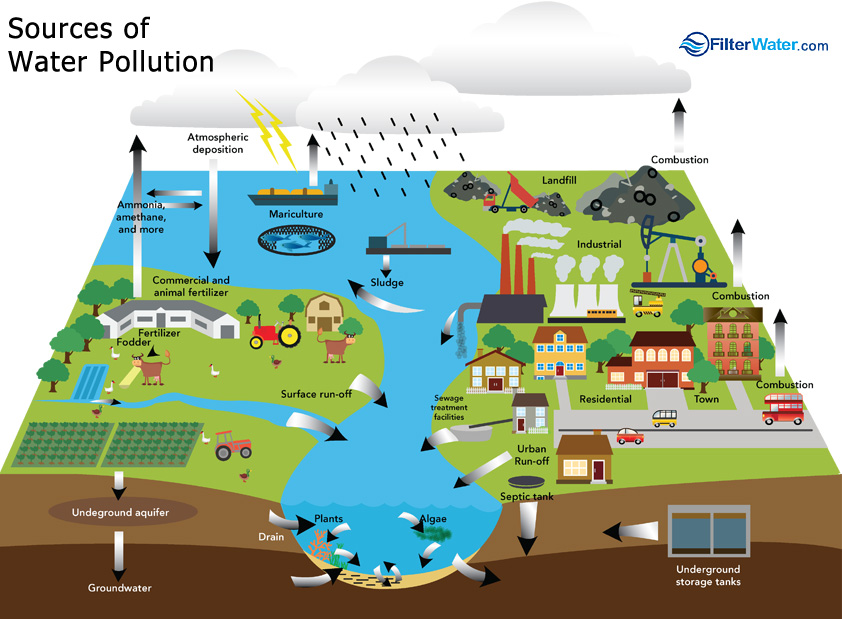
Basically, agricultural runoff is all the stuff that washes off farmland and into our waterways. Think of it like this: farmers are trying to grow food for, like, the entire planet. They need to use fertilizers to make their crops thrive, and pesticides to keep the creepy crawlies away. Seems reasonable, right?
Must Read
The problem is, not all of that stuff stays where it's supposed to. Imagine you're making a sandwich. You spread mayo on your bread, but a little bit squirts out the side. That's kinda like what happens with fertilizers and pesticides. When it rains (and it always rains eventually), all that extra stuff gets washed away.
And where does it go? You guessed it! Into rivers, lakes, and streams. Suddenly, our water is getting a fertilizer and pesticide bath. Not exactly the kind of spa day it was hoping for.
The Nitty-Gritty: What’s Actually in the Runoff?
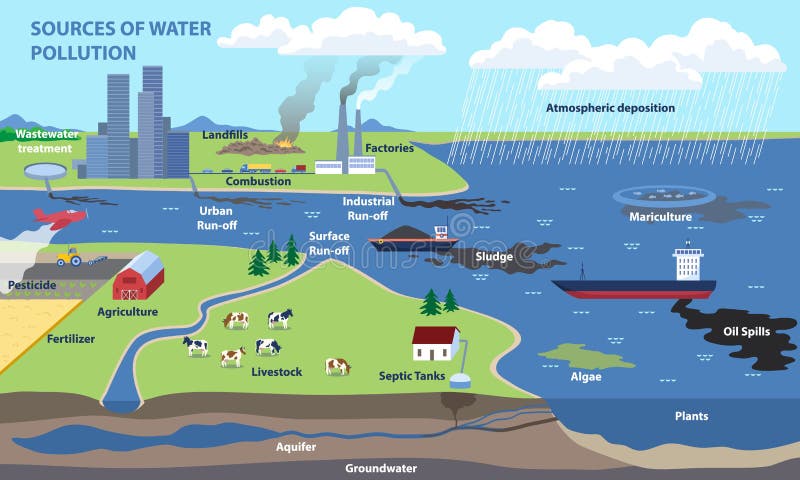
So, what are these villainous substances, exactly? Let’s break it down:
- Fertilizers: These are packed with nutrients like nitrogen and phosphorus, which are great for plants… but also great for algae. Think of them like giving algae a huge energy boost. Algae blooms can suck up all the oxygen in the water, leaving none for the fish and other aquatic critters. It’s like throwing a massive party where all the guests eat all the pizza and leave everyone else hungry.
- Pesticides: These are designed to kill pests, but sometimes they can also harm other living things, including fish, insects, and even humans. It’s like trying to swat a fly with a sledgehammer – you might get the fly, but you'll probably break a window or two in the process.
- Sediment: This is just dirt and soil that gets washed away. Too much sediment can cloud the water, making it hard for aquatic plants to get sunlight. It's like trying to read a book with someone shining a flashlight in your eyes.
- Animal Waste: Farms with livestock produce a lot of manure. If this isn't managed properly, it can also end up in waterways, adding even more nutrients and bacteria. Think of it as... well, you can imagine. Let's just say it's not a pleasant addition to the water cocktail.
So What? Why Should I Care?
Okay, okay, so there’s some stuff washing into the water. Big deal, right? Actually, it is a big deal! All this pollution can have some pretty serious consequences.

For starters, it can make our drinking water unsafe. No one wants to sip on a glass of pesticide-infused H2O. It can also harm aquatic ecosystems, killing fish and other wildlife. And it can even affect recreational activities like swimming and boating. Imagine going to the lake for a relaxing swim, only to find it covered in green, slimy algae. Not exactly the idyllic getaway you were hoping for!
The Good News: We Can Do Something About It!
The good news is that we’re not totally powerless in the face of agricultural runoff. There are things farmers can do to reduce pollution, like using fertilizers and pesticides more carefully, planting buffer strips along waterways, and managing animal waste properly.

And as consumers, we can support farmers who are using sustainable practices. Look for organic produce or buy from local farmers who are committed to protecting the environment. Every little bit helps!
So, the next time you’re enjoying a glass of clean water, take a moment to appreciate the efforts being made to keep it that way. Because while agricultural runoff might be the biggest source of water pollution, it's also a problem we can tackle together. Let's keep our "jeans" clean, shall we?