
What Is The Minimum Wind Speed Of A Hurricane

Ever wondered how strong the wind needs to be before we start calling it a hurricane? It's like when you're making a smoothie – there's a point where it goes from just blended fruit to a delicious, swirling vortex of goodness!
Getting Breezy: From Gentle Nudge to Full-Blown Hooligan
The answer, my friend, is 74 miles per hour (mph). That’s the magic number. Think of it this way: a gentle breeze is like a feather tickling your nose, but a hurricane is more like a giant, grumpy cat swatting you with a sofa cushion.
Before we hit that 74 mph mark, we’re in less dramatic territory. We start with a tropical disturbance, which is basically just some unsettled weather. Think of it as the weather equivalent of a toddler throwing a mild tantrum.
Must Read
Tropical Depression: A Little Sulky
If that disturbance starts to organize and the winds pick up, we graduate to a tropical depression. This is where things get a little more serious, but it's still not quite time to panic. Winds are generally below 39 mph.
Imagine a particularly windy day, where your hat might blow off. That's about the level of a tropical depression. You might grumble, but you're not running for your life...yet!
Tropical Storm: Name in Lights!
Once the sustained winds reach 39 mph, we've got ourselves a tropical storm! And the best part? It gets a name! Think of it as graduating from the "unnamed extra" to having your name on the marquee.
We're talking winds strong enough to make walking difficult, maybe even snap a few small tree branches. This is the weather equivalent of that one friend who always arrives fashionably late and makes a dramatic entrance.
Hurricane Territory: Hold On To Your Hats!
But back to our original question: 74 mph! That's the barrier you have to cross to achieve hurricane status. Suddenly, things get real.

Imagine trying to stand upright in a wind tunnel blasting you with air at 74 mph. It's not a pleasant experience! Think flying debris, potential power outages, and a general sense of impending doom (okay, maybe not doom, but definitely serious weather).
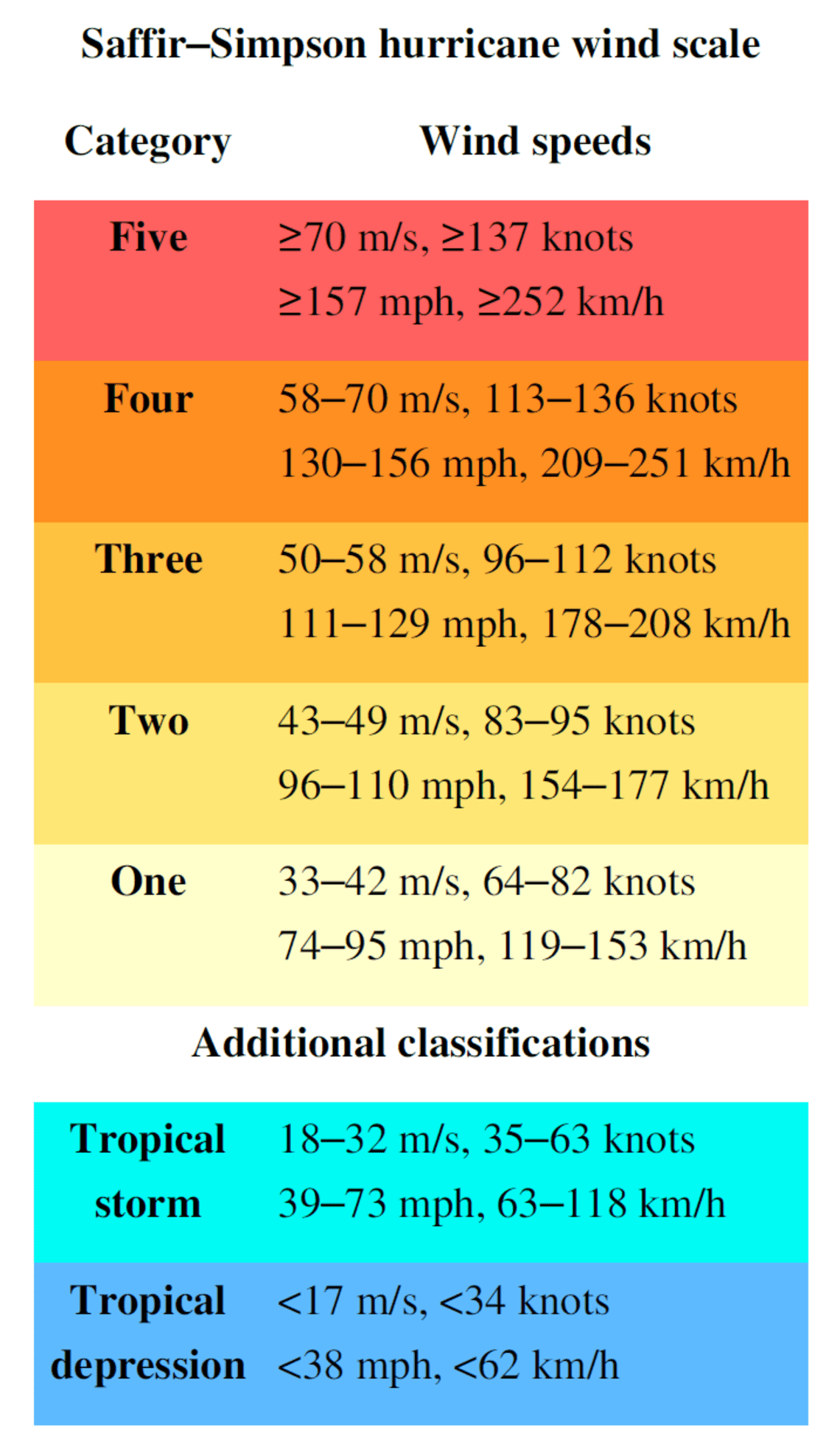
The Saffir-Simpson Hurricane Wind Scale categorizes hurricanes based on their wind speeds, ranging from Category 1 (the "entry-level" hurricane) to Category 5 (the "holy moly, batten down the hatches!" hurricane). Each category brings progressively more destructive winds and storm surge.
Category 1: The Starter Hurricane
A Category 1 hurricane boasts winds between 74 and 95 mph. This is like the weather equivalent of a mischievous teenager – capable of causing some damage, but not quite ready to take over the world.
You'll probably see some broken tree limbs, downed power lines, and maybe some minor flooding. Think of it as nature's way of redecorating your yard, whether you wanted it or not!
Category 2: Getting Serious
Step up to Category 2 (96-110 mph), and things get a little more intense. Now we're talking about significant damage. Think roof damage, extensive power outages, and a general feeling that you should probably stay inside with a good book and a cup of tea (or something stronger, depending on your preference!).

Imagine your patio furniture becoming airborne projectiles. That's the kind of energy a Category 2 hurricane brings to the table.
Category 3: Major Hurricane Territory
Once a hurricane reaches Category 3 (111-129 mph), it's considered a major hurricane. This is where things get truly scary. Think widespread structural damage, trees uprooted like weeds, and the potential for significant flooding. Evacuation is strongly advised!
It's like nature is playing a really, really aggressive game of Jenga with your house. And nobody wants that.
Category 4: Catastrophic is the Word
Category 4 hurricanes (130-156 mph) are no joke. We're talking about catastrophic damage. Think homes leveled, power outages that could last for weeks, and entire communities potentially underwater.
Imagine your roof deciding to go on vacation, without telling you. That's the kind of devastation a Category 4 can unleash.
Category 5: The Ultimate Boss
And then we have Category 5 (157 mph or higher). These are the monsters of the hurricane world. They are incredibly rare, but when they hit, they can cause unimaginable destruction.
Think entire cities reduced to rubble, landscapes transformed, and a general feeling that the world might be ending (it's not, but it might feel like it). These are the hurricanes that etch themselves into history.
Wind Speed and the Bigger Picture
So, 74 mph is the magic number, the gateway to hurricane status. But wind speed isn't the only factor to consider. Storm surge, rainfall, and the size of the storm all play a crucial role in determining the overall impact.
Imagine a gentle breeze carrying a single raindrop. Now imagine a hurricane carrying billions of gallons of water. That's the difference in scale we're talking about.
And remember, even a Category 1 hurricane can be incredibly dangerous, especially if it stalls over an area and dumps torrential rainfall. Always heed warnings from local authorities and take precautions to protect yourself and your property.

Staying Safe and Informed
Knowing the minimum wind speed of a hurricane is important, but it's even more important to stay informed and be prepared. Follow your local news, listen to official weather alerts, and have a plan in place in case a hurricane threatens your area.
Think of it like having a fire extinguisher in your kitchen. You hope you never have to use it, but you're sure glad it's there if you do! A hurricane preparedness plan is your weather-related fire extinguisher.
So, the next time you hear about a hurricane brewing in the Atlantic or Pacific, remember the 74 mph threshold. It's a reminder of the incredible power of nature and the importance of being prepared.
Stay safe, stay informed, and may your days be filled with gentle breezes, not hurricane-force winds!
“There is something fascinating about science. One gets such wholesale returns of conjecture out of such a trifling investment of fact.” - Mark Twain