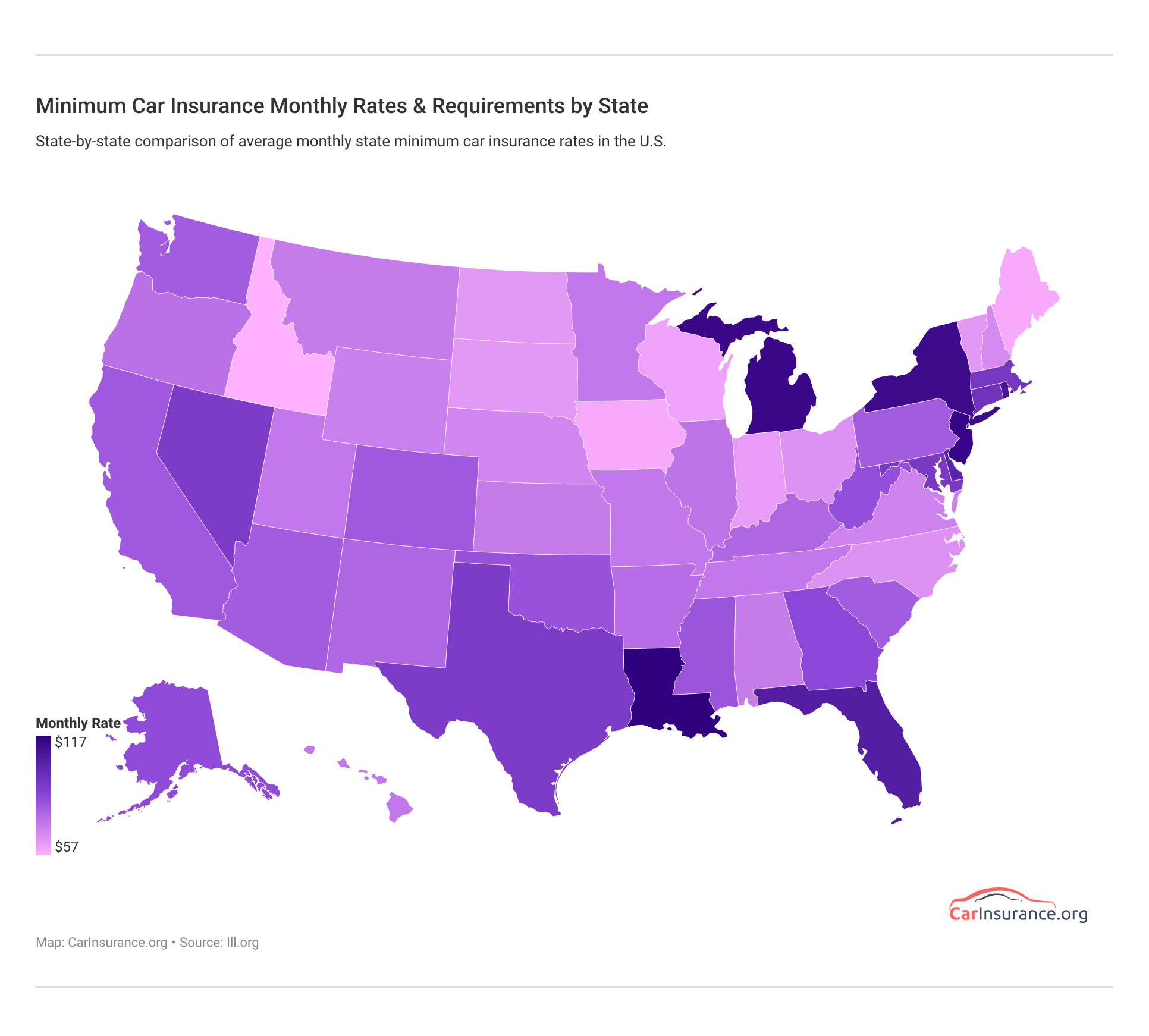
What Is The Minimum Car Insurance Coverage In Massachusetts

Okay, so picture this: I'm backing out of my ridiculously tight parking spot (seriously, Boston drivers, learn to parallel park!), and tap. Barely a scratch, I swear. But still, tap. The sinking feeling? Yep, you know it. It made me think, "Am I even covered for this?!" Which, naturally, led to a deep dive into Massachusetts car insurance. Because let's be honest, deciphering insurance jargon is about as fun as, well, parallel parking in the city.
So, what's the absolute bare minimum you need to legally cruise around the Bay State? Let's break it down. Because nobody wants to end up in a situation like mine, only way worse, and realize they're driving with the absolute bare bones – or worse, less than the bare bones.
The Mandatory Coverages: Your Minimum Requirements
Massachusetts requires a few key coverages to keep you legal on the road. Think of these as your "get out of jail (or at least, a HUGE fine) free" cards. Note the 20/40/5!
Must Read
1. Bodily Injury to Others: This is the big one. The minimum you need is $20,000 per person and $40,000 per accident. Basically, if you cause an accident and someone else gets hurt, this helps cover their medical bills and lost wages. This is your liability insurance. Imagine this pays 20k for one person, and up to 40k total for all people involved. So if multiple people get hurt, it will be split between them up to 40k.
Side note: $20,000 might sound like a lot, but in today's world, medical bills can skyrocket faster than a Dunkin' iced coffee on a summer day. Seriously, consider upping this – it’s often not that much more expensive for significantly better protection. Are you really going to risk your entire financial future to save a few bucks a month?
2. Bodily Injury Caused by Uninsured Auto: Because, frustratingly, not everyone follows the rules! This protects you and your passengers if you're hit by someone who doesn't have insurance (or flees and is a hit-and-run). The minimum here is also $20,000 per person and $40,000 per accident. So, same limits as the bodily injury to others coverage. Same important advice: consider raising this.
3. Damage to Someone Else's Property: Remember my tap? This is the coverage for that (hopefully!). The minimum here is $5,000. This covers the repairs to the other person's car (or fence, or mailbox... you get the idea) if you're at fault. Five grand might cover a minor fender bender, but what if you totaled someone's brand-new Tesla? Ouch.
4. Personal Injury Protection (PIP): This covers your medical bills and lost wages, no matter who's at fault in an accident. It’s kind of a "no-fault" coverage. The minimum (and standard) here is $8,000. It gets paid out quickly so you can get the care you need.

5. Uninsured Auto Property Damage: This coverage pays for damage to your vehicle when it's hit by an uninsured driver and that driver is identified. The minimum deductible is $0, so yes insurance covers it all, as long as you know who the other driver is. It’s a little different from the "Damage to Someone Else's Property" because it doesn't depend on who's at fault.
Is the Minimum Enough? A Serious Question!
Okay, so now you know the bare minimum. But is it really enough? That's the million-dollar question (well, hopefully not literally million-dollar... because that would mean a massive accident). The honest answer? Probably not.

Think about it: medical bills are expensive, cars are expensive to repair, and lawsuits are even more expensive. Going with the absolute minimum might save you a few bucks on your premium now, but it could leave you financially devastated later if you're involved in a serious accident. Seriously, think about it.
I’m no insurance expert – just a fellow driver navigating the chaotic streets of Massachusetts! – but I strongly recommend talking to your insurance agent about your individual needs and considering higher coverage limits. It’s an investment in your peace of mind, and potentially, your financial future.
Plus, higher limits might not be that much more expensive, and that little extra per month will let you sleep better at night, and stress less about your next "tap" (hopefully, there won't be one!).