What Is The Maximum Required Cold Holding Temperature
Okay, so picture this: I'm at a barbecue, right? Good vibes, sunshine, the smell of grilling burgers... paradise. Then I spot the potato salad. It's sitting on a table, basking in the sun like it's trying to get a tan. My inner food safety alarm bells start screaming. I mean, who leaves potato salad out in the heat?! (Seriously, don't be that person.) It got me thinking: how cold should food be kept anyway to avoid a culinary catastrophe?
That, my friends, brings us to the crucial question: What is the maximum required cold holding temperature for food safety? The answer is more important than you might think – it's literally the difference between a delicious meal and a miserable night spent regretting your life choices.
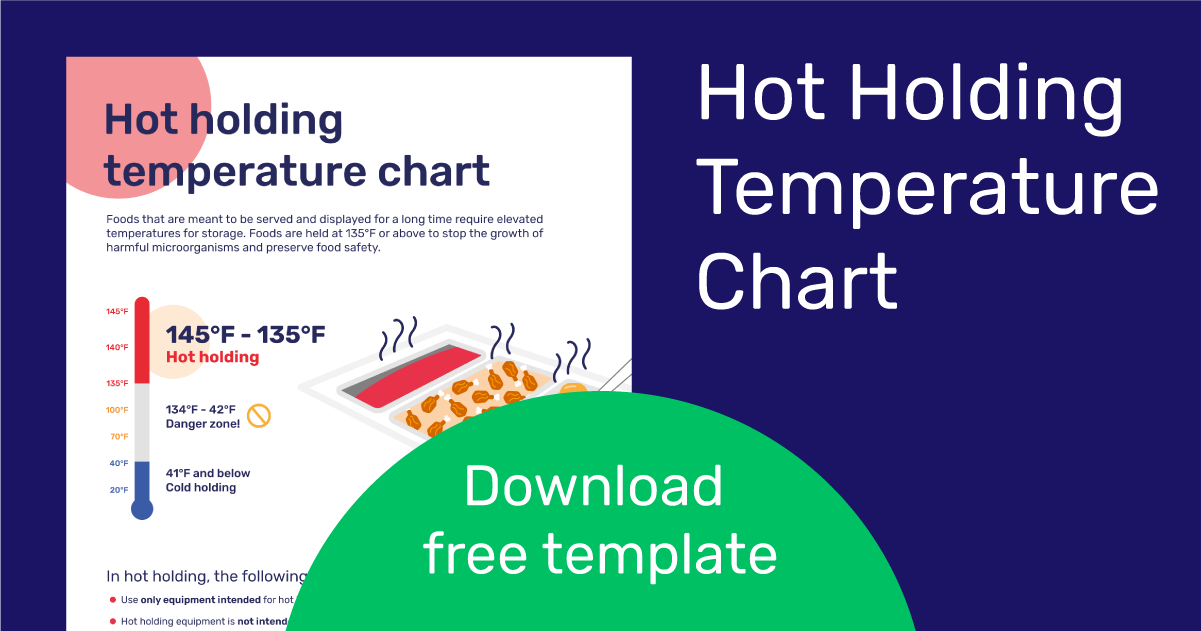
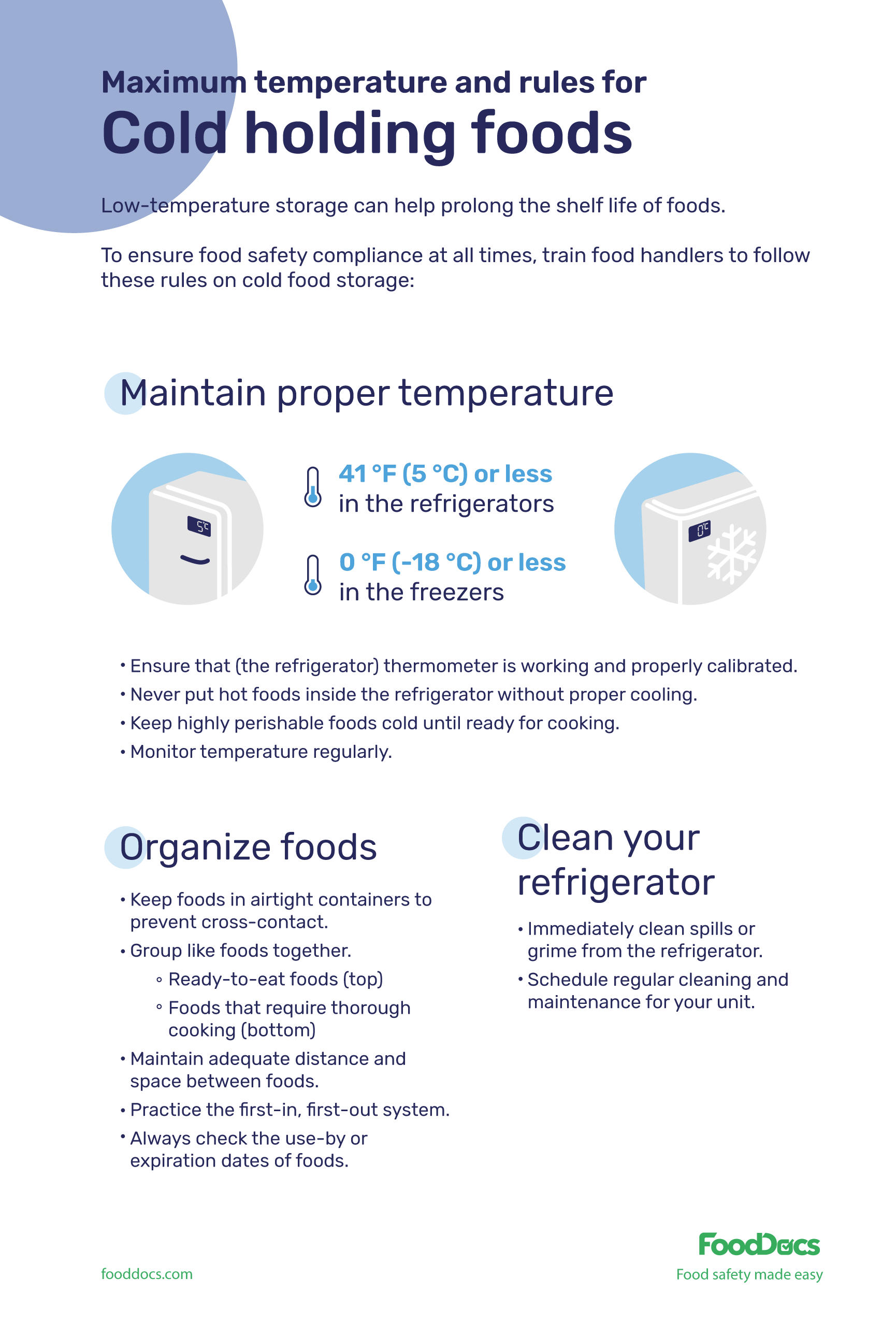
The Magic Number: 41°F (5°C)
Alright, drumroll please... the maximum safe temperature for cold holding most perishable foods is 41°F (5°C). This is the temperature guideline set by most food safety regulatory bodies, including the FDA (in the US, at least). Why 41°F? Because that’s the point where the bad guys – I’m talking about those pesky bacteria that cause foodborne illness – start slowing down their rapid multiplication.
Must Read
Think of it like a bacteria rave. Below 41°F, the music's turned off, the lights are on, and everyone's gone home. Above 41°F? Party time! And nobody wants to be invited to that party.
Important Note: We're talking maximum here. Colder is always better (within reason, obviously you don't want to freeze your lettuce). Aim to keep your fridge as close to 35-38°F (2-3°C) as possible. You'll be thanking yourself later. This isn't just about safety, it's about freshness too!
What Foods Are We Talking About?
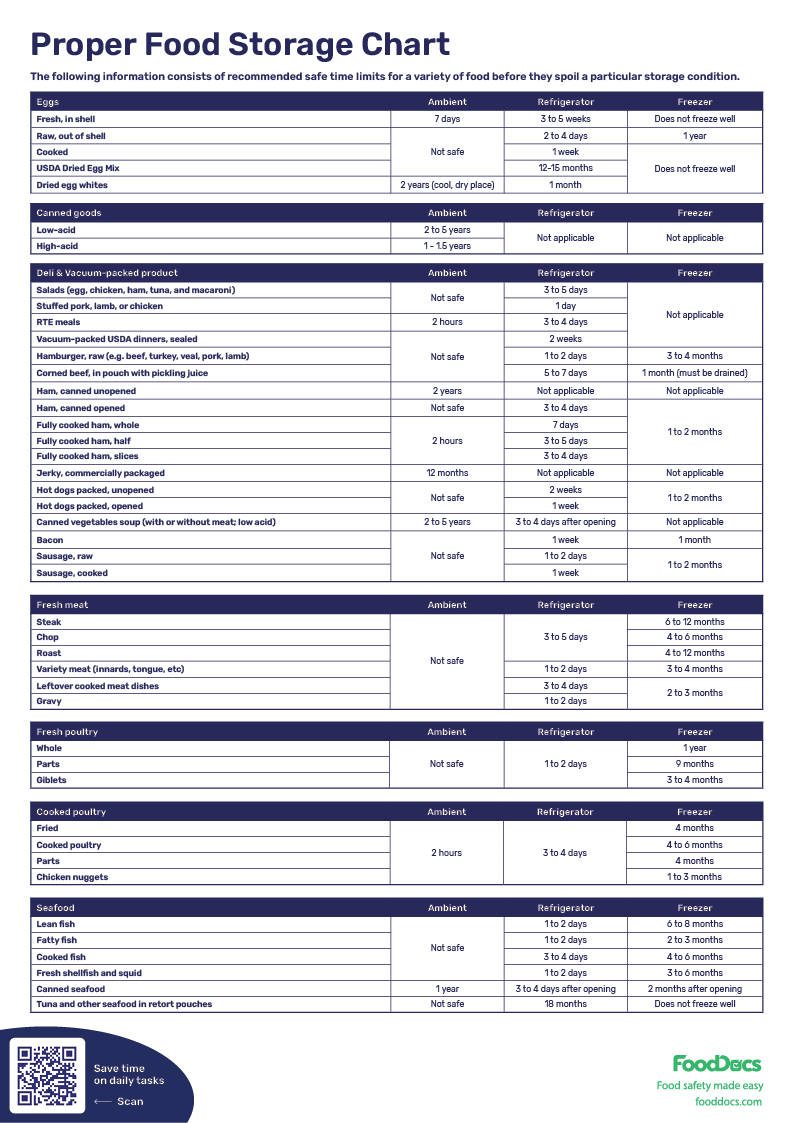
Pretty much anything that can go bad quickly if left at room temperature. We're talking about:
- Meat, poultry, and seafood: Obvious, right? Raw or cooked, keep it cold!
- Dairy products: Milk, cheese, yogurt... the whole shebang.
- Eggs: Another big one.
- Cooked vegetables: Leftover roasted broccoli? Into the fridge it goes!
- Cut fruits and vegetables: Sliced watermelon sitting in the sun? A big no-no.
- Prepared foods: That potato salad I mentioned earlier, deli salads, sandwiches, etc.
Basically, if it says "refrigerate after opening" on the package, you refrigerate it after opening. Don’t be a rebel. (Unless you're rebelling against something worthwhile, like bad music or overpriced coffee.)
How to Make Sure Your Food Stays Cold
Okay, so you know the magic number. Now, how do you actually achieve it? Here are a few tips:
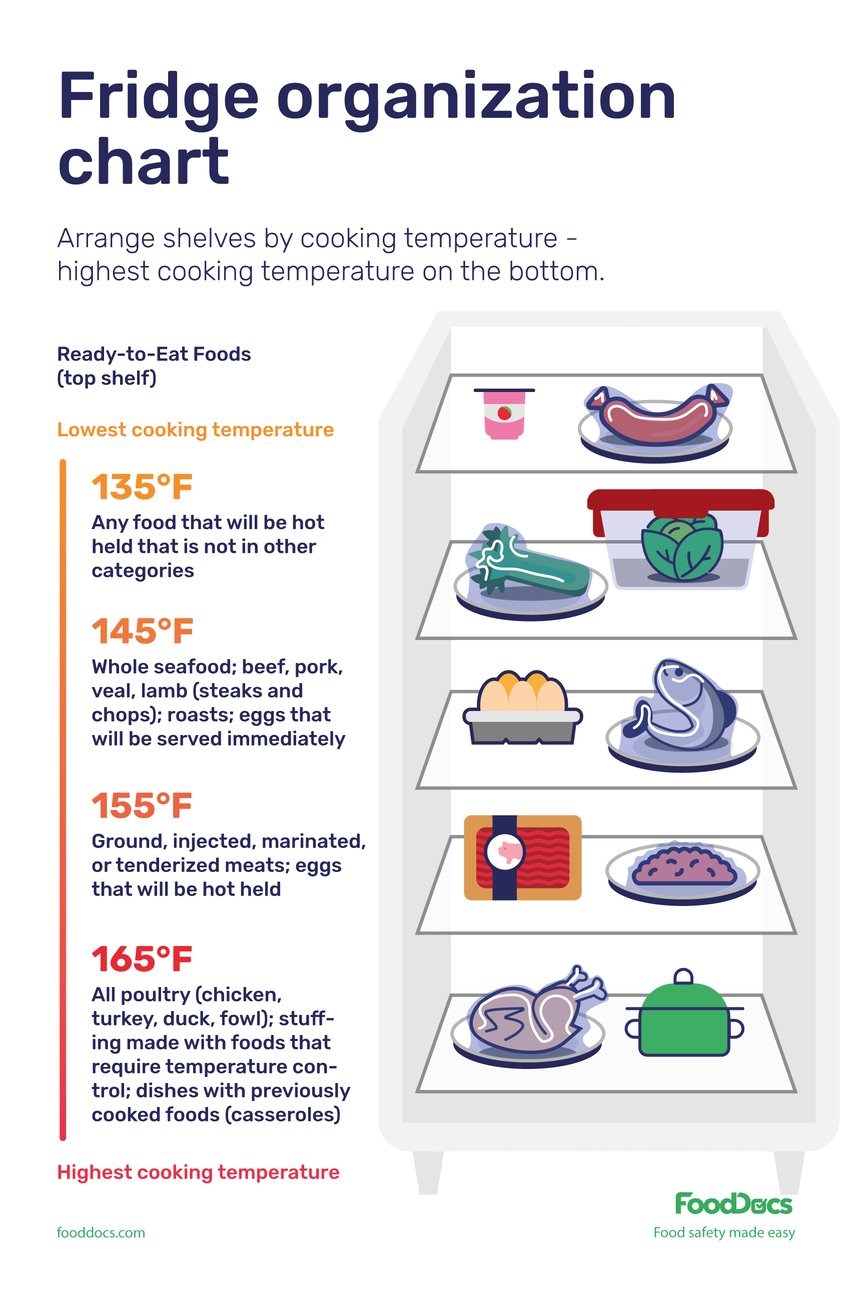
- Invest in a good refrigerator thermometer: Don't just rely on the dial inside your fridge. Those things are often inaccurate. A separate thermometer gives you a real reading. You can find them for pretty cheap!
- Don't overcrowd your fridge: Overcrowding restricts airflow, which means some areas might not be as cold as they should be. Leave some space for the cold air to circulate.
- Cool food down quickly before refrigerating: Don't put a steaming hot pot of soup directly into the fridge. It will raise the temperature of the whole fridge. Use an ice bath or divide the food into smaller containers to cool it down faster.
- Use shallow containers: Again, this helps with faster cooling.
- Keep the refrigerator door closed: Sounds obvious, but every time you open the door, warm air rushes in. Limit the number of times you open the door and close it quickly.
- Be mindful of power outages: If the power goes out, your food can quickly warm up. Keep the refrigerator door closed as much as possible, and if the outage lasts longer than a few hours, you may need to discard perishable foods. Play it safe!
The Consequences of Ignoring the 41°F Rule
Ignoring the 41°F rule can lead to some pretty unpleasant consequences. I'm talking about food poisoning, which can cause nausea, vomiting, diarrhea, stomach cramps, and even fever. In severe cases, it can even lead to hospitalization. Nobody wants that!
Plus, it's just wasteful. Letting food spoil because it wasn't properly stored is a waste of money and resources. So, keeping your food at the right temperature is not only good for your health, but it's also good for your wallet and the planet!
So, remember the magic number: 41°F (5°C). Keep your food cold, keep yourself healthy, and avoid becoming the cautionary tale at the next barbecue. And for goodness' sake, keep that potato salad out of the sun!