What Is The Maturity Stage Of The Product Life Cycle
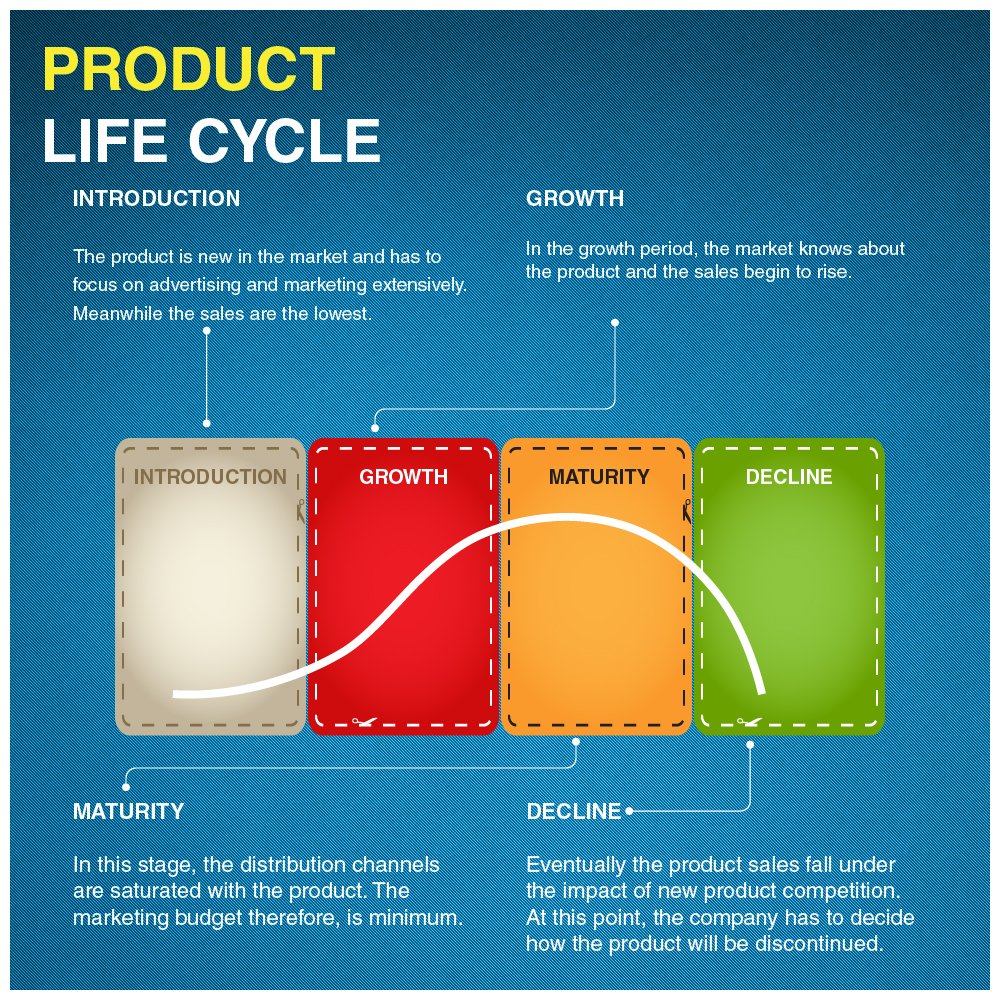
Ever wondered why your favorite snack suddenly has a new flavor, or why that phone you used to covet is now significantly cheaper? It might have something to do with the product life cycle, and more specifically, the maturity stage. Think of it like this: products, just like people, go through phases – birth, growth, maturity, and decline. Understanding where a product is in its "life" can be surprisingly insightful, even fun! It helps us understand market trends, anticipate changes, and maybe even snag a good deal.
So, what exactly is the maturity stage? It's the phase where a product has achieved widespread acceptance. Sales are still strong, but the rapid growth experienced in earlier stages has slowed down considerably. Imagine a popular brand of coffee – pretty much everyone knows about it, right? They've likely reached the maturity stage. The purpose of this stage, from a business perspective, is to maintain market share and maximize profitability. Companies aren’t necessarily trying to acquire a huge number of new customers; they're focused on keeping the ones they already have and squeezing as much value out of their existing product line as possible.
The benefits of understanding the maturity stage are numerous. For businesses, it means knowing when to invest in product improvements, line extensions (think new flavors or variations), or even new marketing strategies to keep things fresh. For consumers, like us, understanding the maturity stage can help us anticipate price changes, new features, or even the eventual discontinuation of a product. Think about the evolution of gaming consoles. Each generation goes through this cycle. Once a console like the PlayStation 4 reached maturity, we started seeing price drops and bundles, signaling the imminent arrival of its successor, the PlayStation 5.
Must Read
How can we see this in action in education or daily life? In education, understanding the product life cycle, including the maturity stage, can be used to analyze case studies of successful (and unsuccessful) products. Students can examine how companies responded to the challenges and opportunities presented by this stage. In daily life, simply observing the products around you can be a fun exercise. Notice how established brands advertise – are they focused on brand awareness, or are they introducing new features and benefits? This can give you clues about where the product sits in its life cycle. Consider, for example, the car industry. Mature models often receive facelifts or special editions to maintain consumer interest.
Want to explore this further? Start by picking a familiar product – a type of cereal, a brand of clothing, or even a software application. Research its history and try to determine when it likely entered the maturity stage. What strategies has the company used to keep it relevant? Have they introduced new versions, expanded into new markets, or simply relied on brand loyalty? You can also look at stock market data for publicly traded companies. Are they investing heavily in research and development for entirely new products, or are they focusing on optimizing existing lines? These are all clues that can help you understand the product life cycle and the crucial role of the maturity stage.