What Is The Major Cause Of Wind
Ah, wind! It’s the invisible force that’s been part of human experience since the dawn of time. From the gentle whisper through the leaves on a lazy afternoon to the exhilarating gust that fills a sailboat's canvas, wind touches our lives in countless ways. Who hasn't delighted in the simple pleasure of flying a kite, feeling the cool caress of a breeze on a sweltering day, or listening to the melodic chime of wind bells on a porch? It's a fundamental part of our world, shaping landscapes and influencing our moods, often without us even realizing its profound impact.
Beyond providing a refreshing chill, wind is a silent workhorse for our planet and daily routines. It's an indispensable component of Earth’s climate system, distributing heat and moisture globally, preventing some regions from becoming too hot and others too cold. Think about it: wind helps dry your laundry on a line, carries the scent of blossoming flowers across a field, and even plays a vital role in pollination, allowing plants to reproduce. In our modern world, its power is harnessed by colossal wind turbines, providing clean, renewable energy that lights up our homes and powers our cities, offering a sustainable alternative to fossil fuels. It truly is one of nature’s greatest utilities.
The applications and manifestations of wind are everywhere. Sailors have relied on it for millennia to navigate the seas, and today, enthusiasts enjoy windsurfing and paragliding, transforming its energy into thrilling sports. Farmers watch the wind to predict weather patterns, and urban planners consider its flow when designing buildings to minimize heat islands. Even humble dandelions rely on a gust to scatter their seeds far and wide, ensuring the next generation. From the mighty storms that reshape coastlines to the subtle currents that stir a pond's surface, wind is a constant, dynamic sculptor of our environment.
Must Read
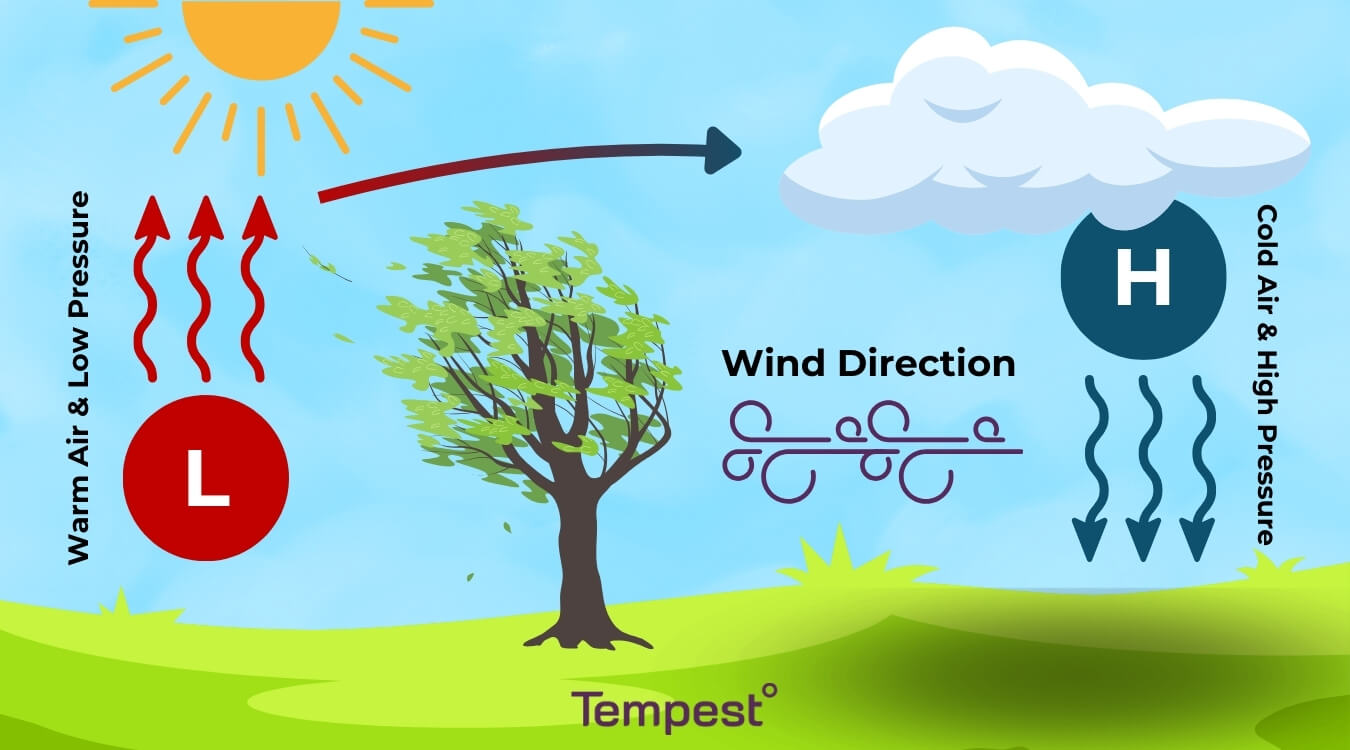
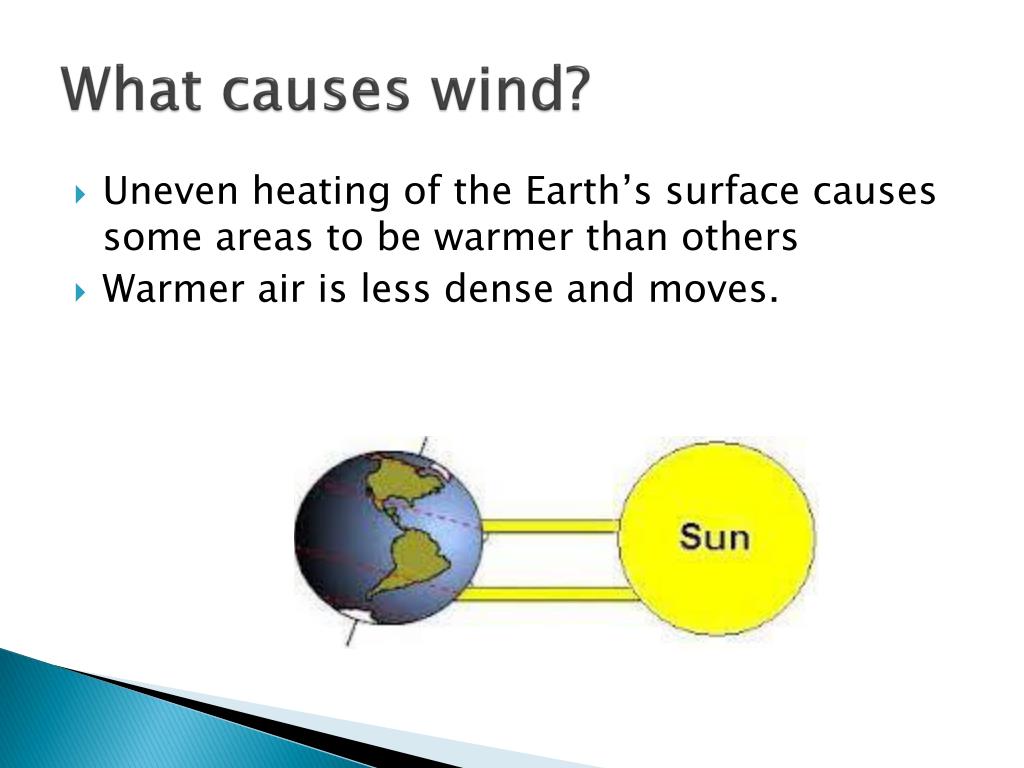
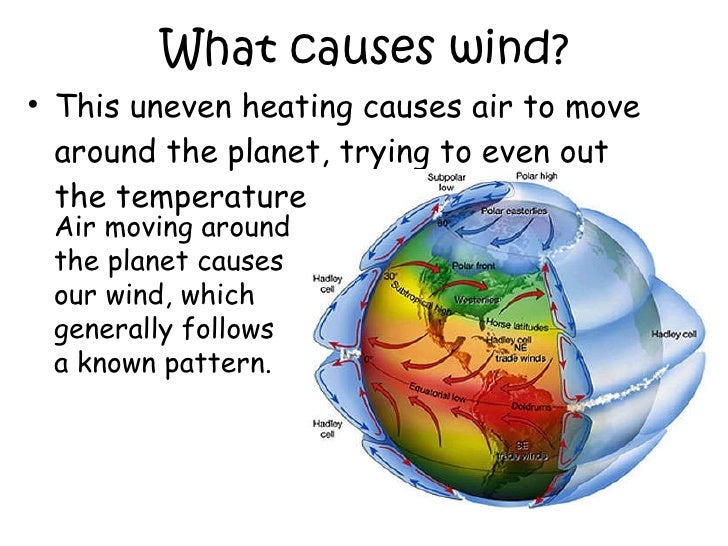
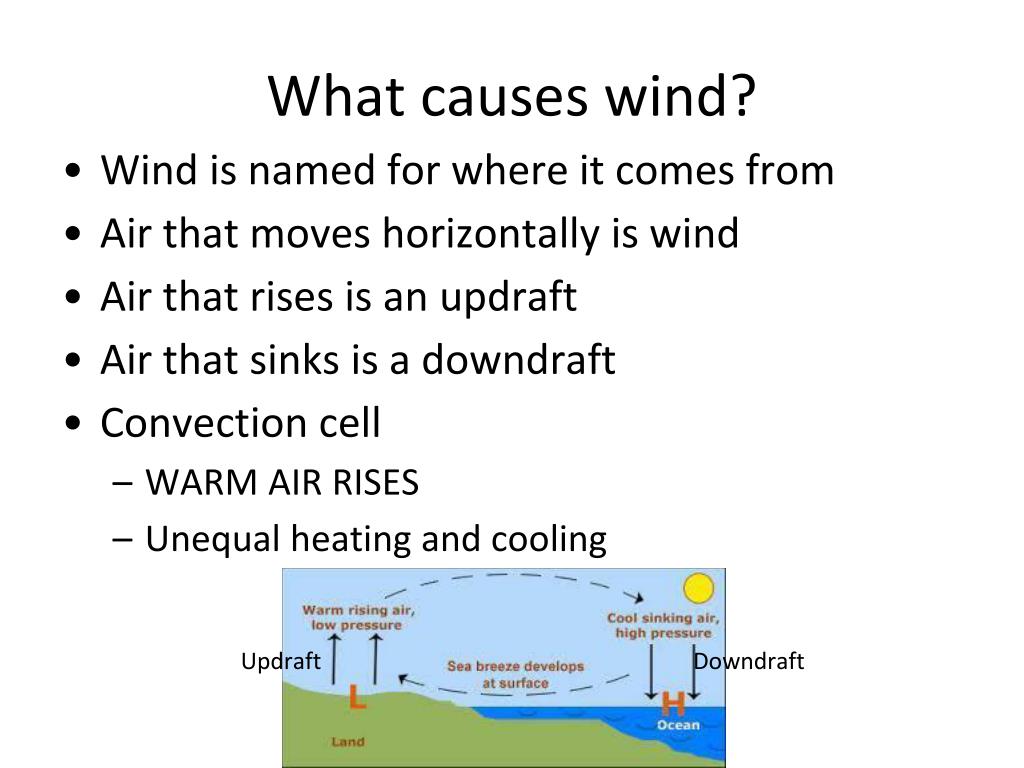
So, what exactly is the engine behind all this movement? The major cause of wind, in its simplest and most fundamental form, is uneven heating of the Earth’s surface by the Sun. Imagine the sun’s rays beating down on different parts of our planet. Land heats up and cools down faster than water. Darker surfaces absorb more heat than lighter ones. When a patch of ground or ocean warms up, the air directly above it also gets hot. Hot air, being less dense, expands and becomes lighter, causing it to rise. This creates an area of lower atmospheric pressure. Meanwhile, cooler, denser air from an adjacent area of higher pressure rushes in to fill that void left by the rising warm air. This horizontal movement of air from areas of high pressure to areas of low pressure is precisely what we experience as wind. It's a continuous atmospheric balancing act, a perpetual quest for equilibrium driven by our star.
To truly appreciate wind, try to become more attuned to its subtle presence. Next time you step outside, don't just feel the breeze, listen to it. Notice the rustle of different types of leaves, the whistle around corners, or the distant roar of a strong gale. Observe how it moves clouds across the sky or creates ripples on water. If you want to engage with it, consider a simple kite or even a backyard wind chaser. Understanding that every gust, every breeze, is a result of the Earth’s uneven heating can deepen your connection to our planet’s dynamic systems. Embrace its power, respect its force, and marvel at this invisible, yet ever-present, phenomenon that shapes our world every single day.