
What Is The Main Source Of Electricity In The Us
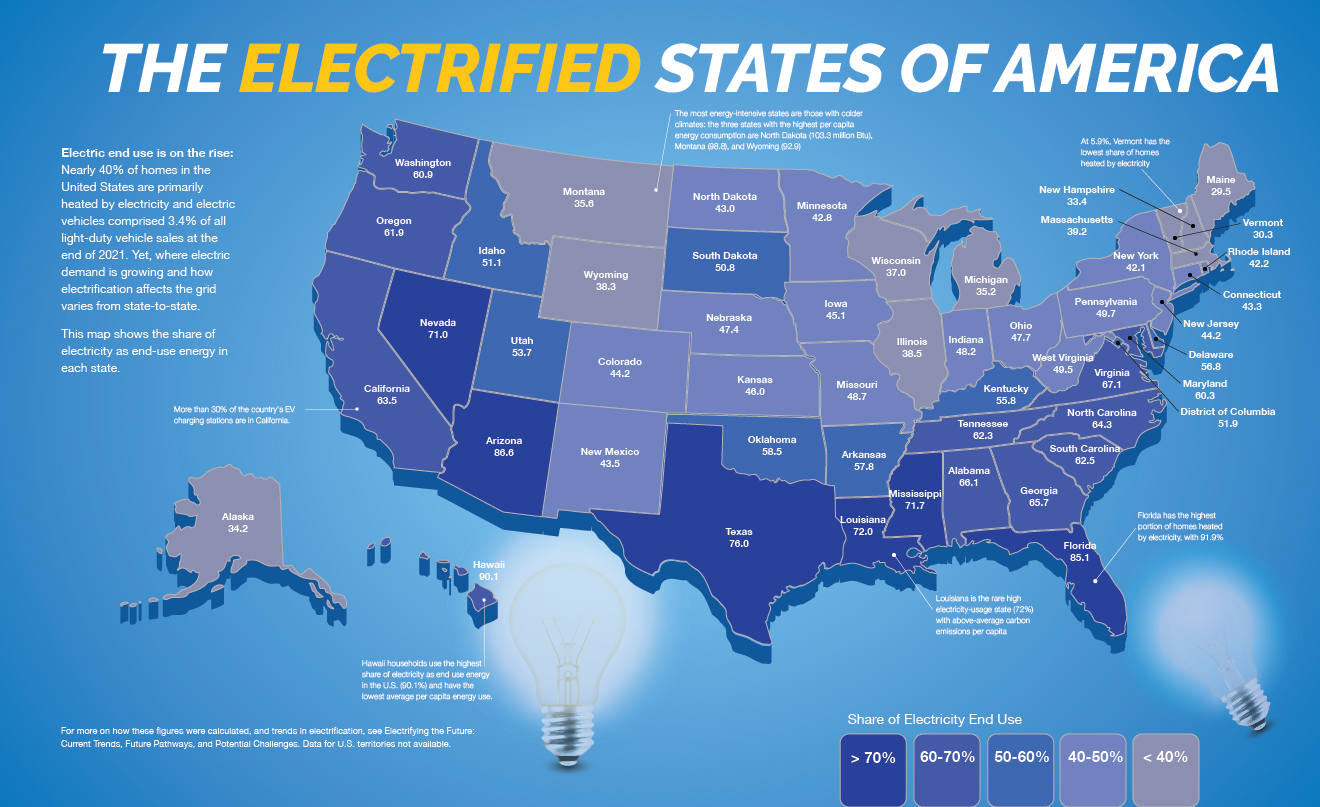
Hey, grab a refill! So, we were talking about where all that magical electricity comes from, right? You know, the stuff that powers our phones, our coffee makers (essential!), and basically our entire lives? Well, buckle up, because it's a bit of a journey!
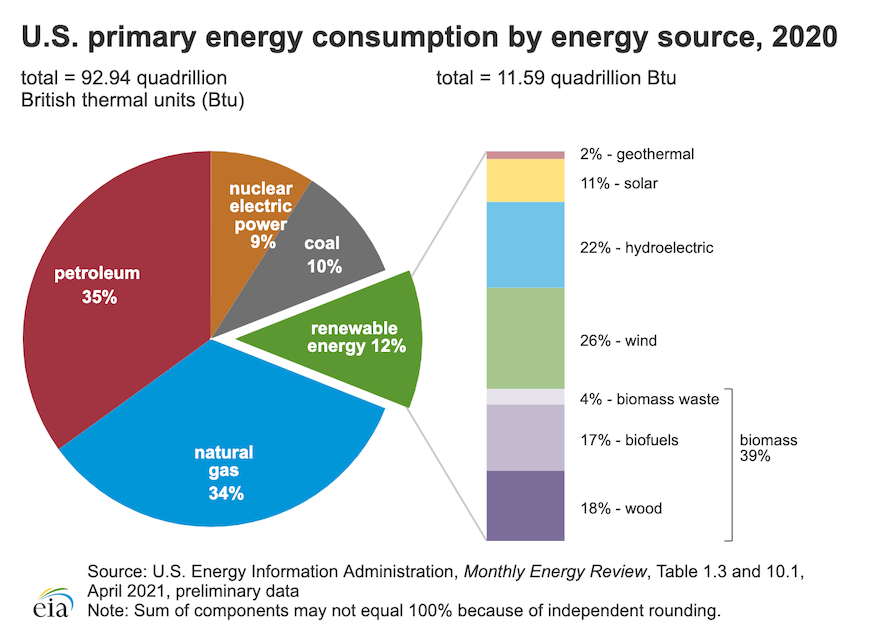
The main source? Drumroll, please... It's natural gas. Yep, that's right. That invisible stuff that heats our homes and… powers a whole lot of power plants!
Natural Gas: The Unsung Hero (or Villain?)
Think of natural gas power plants as giant kettles, basically. They burn the gas (super hot, obviously), which heats water, creates steam, and that steam spins a turbine. The turbine then turns a generator, and voila! Electricity! Okay, I'm simplifying a little, but you get the gist.
Must Read
Now, is it the best thing ever? Well, that’s debatable. Burning natural gas does release carbon dioxide, which, you know, isn't great for the whole climate change situation. But, it is generally cleaner-burning than coal (more on that later) and more reliable than some renewable sources – at least for now.
It's a complex issue, right? It's like deciding between a delicious but slightly unhealthy donut and a slightly less appealing but healthier apple. Which do you choose every time?
Coal: Still Hanging Around (Like That Weird Uncle)
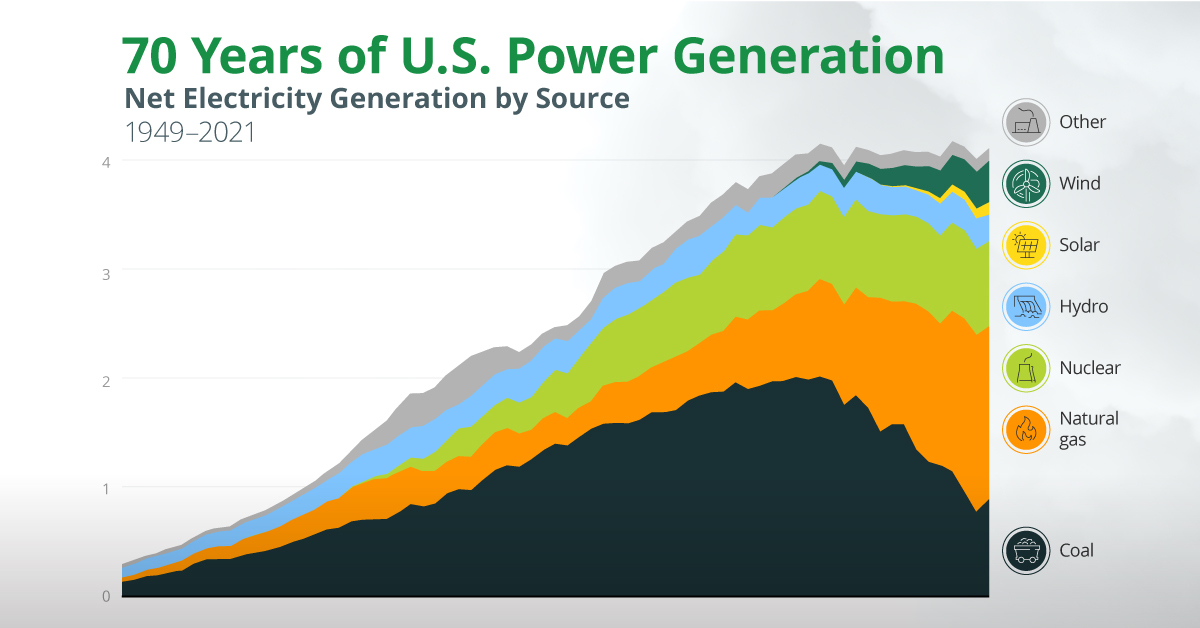
Alright, let's talk about coal. For a long time, coal was the king of electricity generation. Think of it like the old, reliable (but kinda grumpy) uncle who always shows up to Thanksgiving. It’s been a major player for decades, but it's definitely losing popularity.
Why the decline? Well, coal is, shall we say, environmentally unfriendly. It's pretty much the dirtiest fossil fuel. Burning it releases a whole cocktail of pollutants, contributing to air pollution and climate change. Plus, mining coal can be a pretty destructive process.
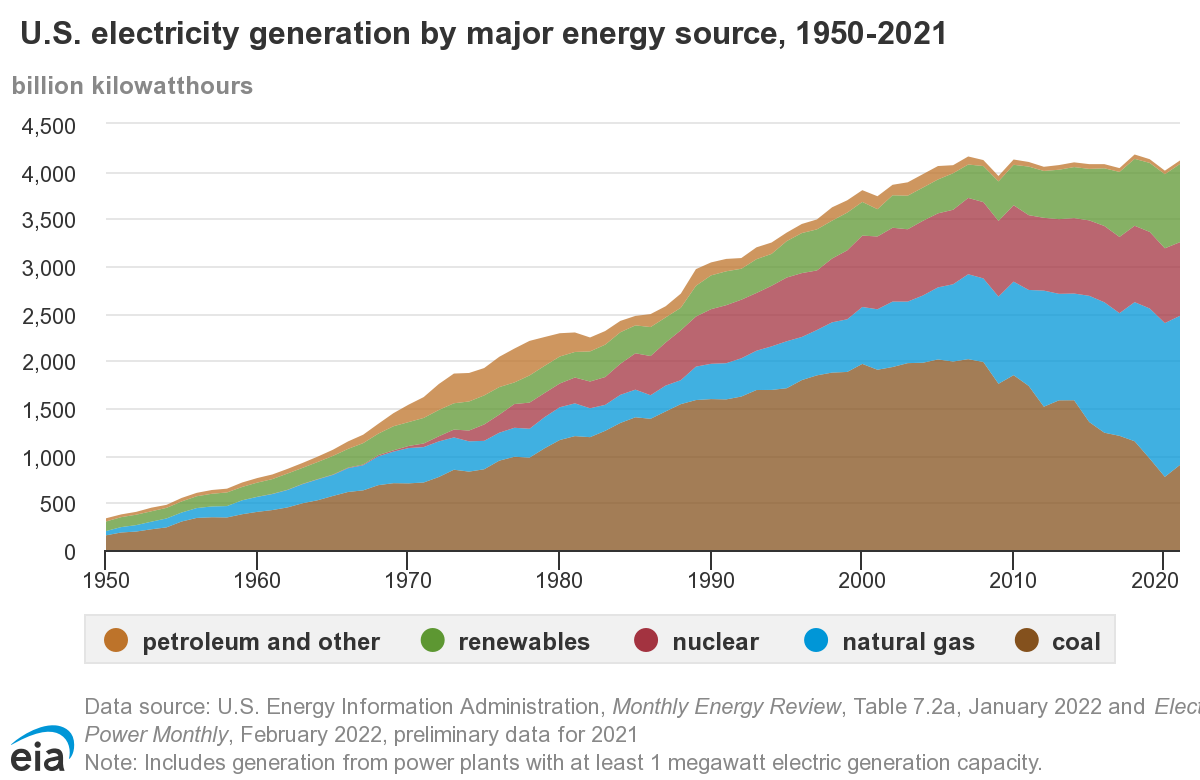
So, while coal used to be a major source of electricity, its share has been steadily shrinking as cleaner and more efficient options become available. Good riddance... mostly.
Nuclear Power: The Quiet Achiever
Okay, next up: nuclear power. Now, nuclear often gets a bad rap, thanks to movies and... well, unfortunate historical events. But, it's actually a pretty significant source of electricity in the U.S.
Nuclear power plants use nuclear fission (splitting atoms!) to generate heat, which, like in a natural gas plant, is used to create steam and spin a turbine. The big plus? Nuclear power doesn't release greenhouse gases during operation. Score!

The downside? Nuclear waste. It’s radioactive and needs to be stored safely for a very long time. Like, thousands of years long. And, of course, there's the risk of accidents, although nuclear power plants are designed with multiple safety features. It’s a powerful source that requires respect.
Renewables: The Up-and-Coming Superstars
And finally, let's not forget the renewables! Solar, wind, hydro... these are the bright, shiny future of electricity generation! They are constantly improving and are incredibly important.
Solar power is booming, thanks to cheaper solar panels and government incentives. You see them everywhere these days! Then there’s wind power, which is becoming increasingly common, especially in windy states. And hydropower? Well, that’s been around for ages, using the power of flowing water to generate electricity.
The great thing about renewables is that they don't release greenhouse gases while generating electricity. They are clean, renewable, and are only going to get better. The catch? They can be intermittent. The sun doesn't always shine, and the wind doesn't always blow. But, with better energy storage technologies, renewables are poised to play an even bigger role in the future.
So, What's the Takeaway?
Okay, so to recap: natural gas is the current leader, followed by coal, nuclear, and then a growing share of renewables. But the energy landscape is constantly changing! Renewables are on the rise, and the mix of sources will likely continue to evolve as we strive for a cleaner, more sustainable energy future.
Now, who's up for another coffee? Let's debate the merits of different energy storage technologies! Just kidding… mostly.