What Is The Last Hurricane Name
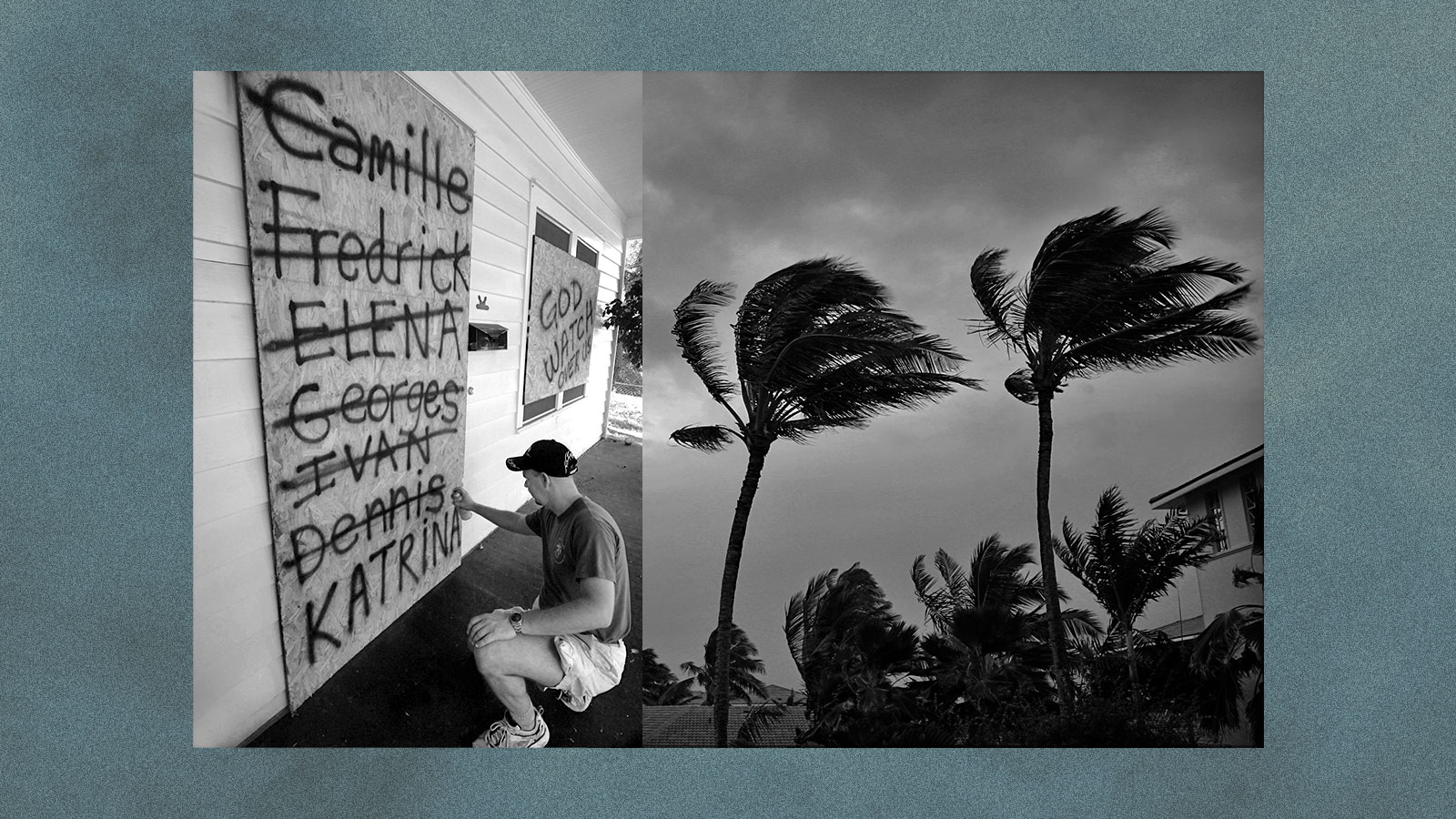
We humans have a curious relationship with powerful natural phenomena. We respect them, we fear them, and perhaps most intriguingly, we give them names. Think about it: from the moment a swirling mass of air and moisture earns an official moniker, it transforms from an abstract threat into something almost personable. And when we talk about “the last hurricane name” of a season, there’s a collective sigh of relief, a sense of having navigated another treacherous cycle of nature’s raw power.
Why do we bother naming these colossal storms? The benefits, though often taken for granted, are profoundly practical for our everyday lives. Firstly, names provide clarity and unambiguous identification. Imagine a news report trying to distinguish between three developing tropical systems in the Atlantic without names – it would be a chaotic mess of latitude and longitude! By assigning names, meteorologists, emergency services, and the media can communicate precise, easily understood information to the public. This clarity is paramount for tracking a storm’s path, understanding its potential impact on specific regions, and distinguishing it from other concurrent weather events.
The purpose extends far beyond mere communication. Hurricane names are crucial tools for preparedness and safety. When a storm like “Hurricane Ian” or “Hurricane Nicole” is announced, it triggers a cascade of actions: official warnings are issued, evacuation orders might follow, and individuals begin to finalize their emergency plans. Names help us mentally compartmentalize and track specific threats, making it easier to follow official advisories and make informed decisions. Furthermore, they serve as vital historical markers, allowing scientists to study past events, learn from their impacts, and improve future forecasting and disaster response strategies. For insurance purposes, legal claims, and even community remembrance, a storm’s name becomes its permanent record.
Must Read
You see these names applied everywhere during hurricane season, which for the Atlantic runs from June 1st to November 30th. They dominate news headlines, pop up in emergency alerts on your phone, and are the subject of countless conversations. Whether it’s a detailed weather forecast discussing the potential track of “Tropical Storm Ophelia” or a community meeting planning recovery efforts after “Hurricane Michael,” the name provides a universal reference point. They become shorthand for immense events, etched into our collective memory as reminders of nature’s ferocity and humanity’s resilience.
To engage with this system more effectively and ensure your safety, here are a few practical tips. First, understand the naming convention: names are drawn from a predetermined list maintained by the World Meteorological Organization, alternating between male and female, and recycled every six years unless a storm is so devastating that its name is retired (think Katrina or Sandy). Second, always rely on official sources like the National Hurricane Center (NHC) or your local meteorological office for information, rather than social media rumors. While the names are catchy, focus on the actual forecast and impact – a Category 1 hurricane can still cause significant damage, and tropical depressions can bring torrential rain. Finally, use the naming system as a prompt for proactive preparedness, not panic. Knowing the names in the pipeline can encourage you to review your emergency kit or secure your property, ensuring you're ready long before "the last hurricane name" of the season brings a welcome close to the storm cycle.