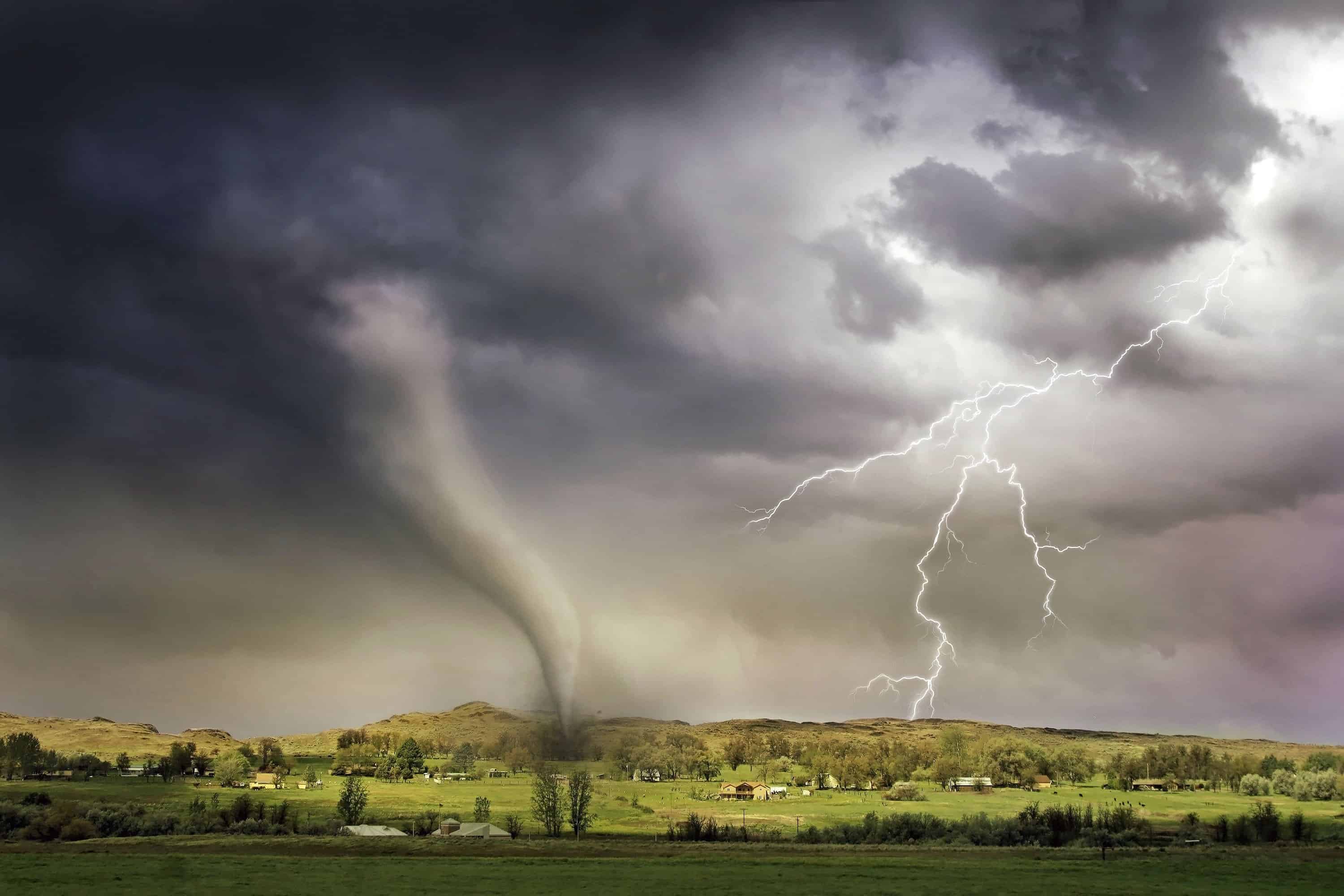
What Is The Impact Of A Tornado
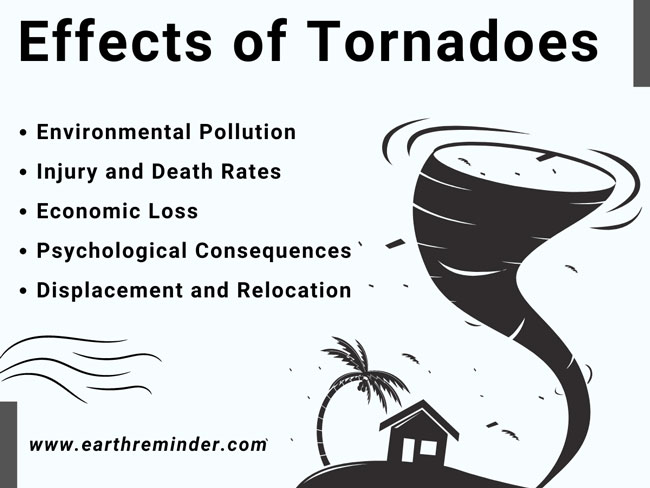
Ever gazed at the sky during a wild thunderstorm and felt that mix of awe and a tiny bit of apprehension? Or perhaps you've seen those incredible, often terrifying, videos of tornadoes ripping through landscapes? It's easy to get caught up in the sheer power of these natural phenomena, but have you ever paused to wonder about the lasting ripples they create? Understanding the impact of a tornado isn't just about disaster; it’s a fascinating lens through which we can explore meteorology, community resilience, and even the incredible adaptability of nature and humanity. It’s a topic that, while serious, offers a profound understanding of our world and our place within it, making it surprisingly relevant and rewarding to delve into!
So, what’s the real purpose behind digging into the aftermath of these swirling giants? Simply put, it’s about knowledge and preparedness. By studying how tornadoes affect everything from ecosystems to infrastructure and human well-being, we gain invaluable insights. This knowledge isn't just for scientists; it’s a benefit for all of us. It helps meteorologists refine their predictions and warnings, giving communities more crucial time to prepare. For engineers and architects, understanding damage patterns leads to building stronger, safer structures that can withstand the incredible forces at play. On a broader scale, it aids in planning effective emergency responses, optimizing recovery efforts, and fostering a sense of collective resilience when the unthinkable happens. It's about turning a destructive force into a catalyst for learning and improvement.
You might be surprised how often this understanding touches our daily lives, even if we don't live in "Tornado Alley." In education, for instance, schools in vulnerable regions frequently conduct tornado drills, teaching students where to go and what to do – a direct application of knowing a tornado's destructive path and how to minimize harm. On a larger scale, our local building codes often reflect lessons learned from past tornado impacts, dictating stronger roofing or anchoring requirements. Think about your homeowner's insurance policy; its terms and coverage are meticulously calculated based on extensive data concerning natural disaster impacts, including tornadoes. Even community planning, from the placement of public shelters to the training of first responders, is profoundly influenced by an understanding of how these storms can reshape an area and the subsequent needs of its residents. It's all about making us safer and more secure.
Must Read
Ready to explore this topic a little more yourself? It’s simpler than you might think! A great first step is to simply pay attention to your local weather forecasts, especially during severe weather seasons. Understanding the difference between a "tornado watch" and a "tornado warning" is foundational. You could also take a few minutes to discuss an emergency plan with your family – where would you meet, what would you do if a tornado threatened your area? Learning about what goes into a basic emergency kit is another practical and enlightening exercise. For a deeper dive, many excellent documentaries explore the science behind tornadoes and the incredible stories of survival and recovery. Websites from official sources like NOAA (National Oceanic and Atmospheric Administration) or your local emergency management agency offer a wealth of accessible information. Engaging with this topic isn't about fear; it's about empowerment and fostering a deeper appreciation for both nature’s power and human ingenuity.