What Is The Highest Category A Hurricane Can Get
Ever watched a movie like "The Day After Tomorrow" and wondered just how intense a hurricane can actually get? We're talking about nature's ultimate power display – a swirling vortex of wind and rain that can leave a lasting impact. So, let's dive into the fascinating (and slightly terrifying) world of hurricane categories and find out just how high they can climb.
The Saffir-Simpson Hurricane Wind Scale
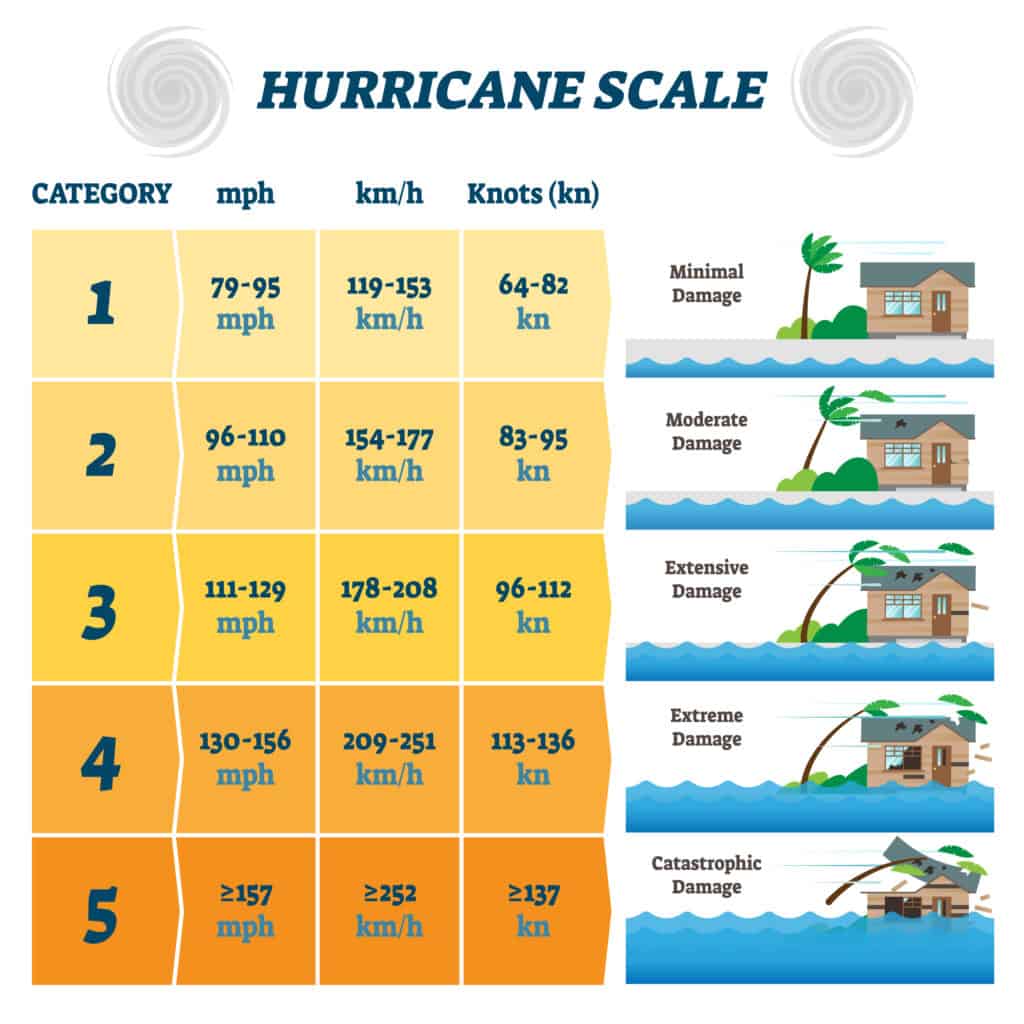
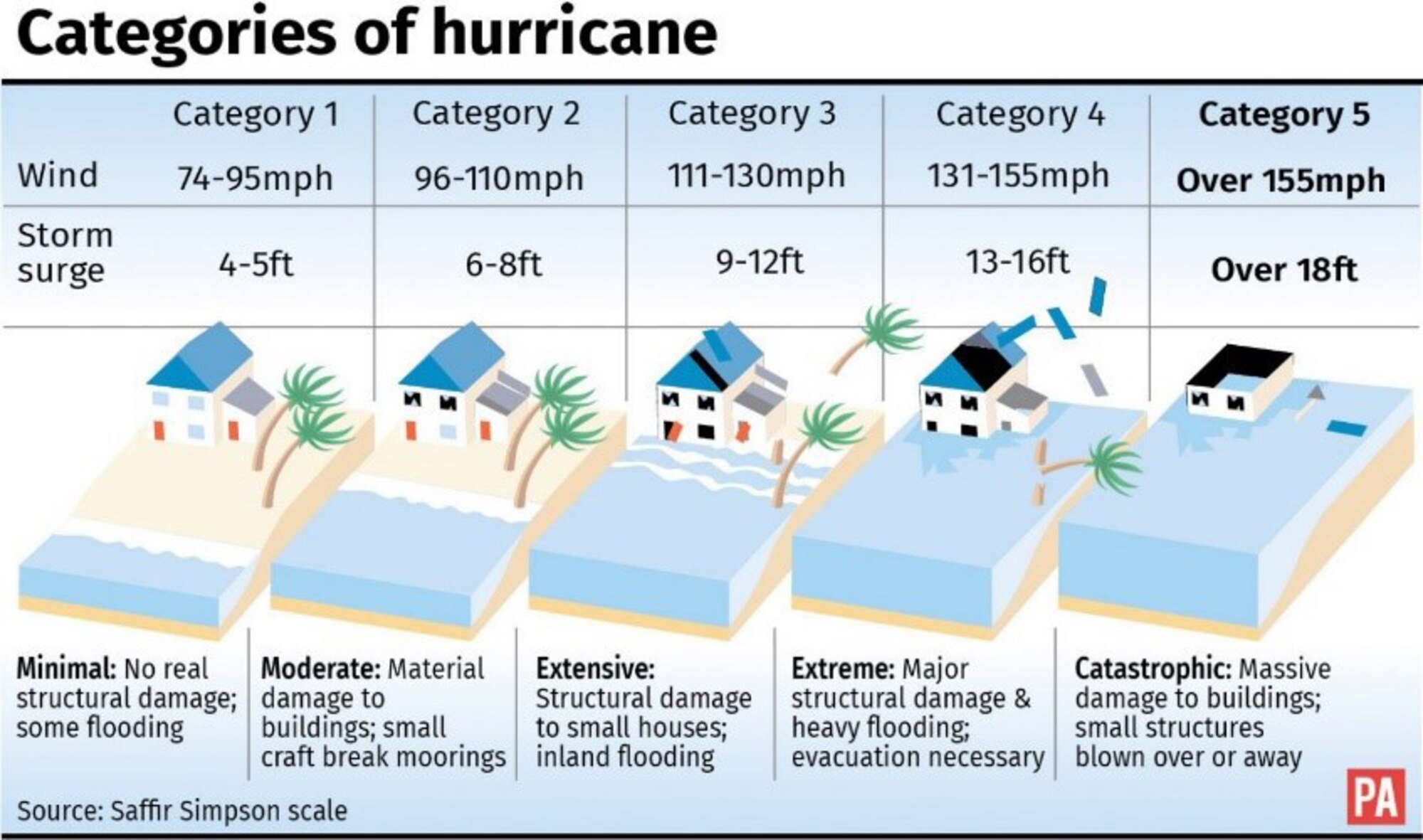
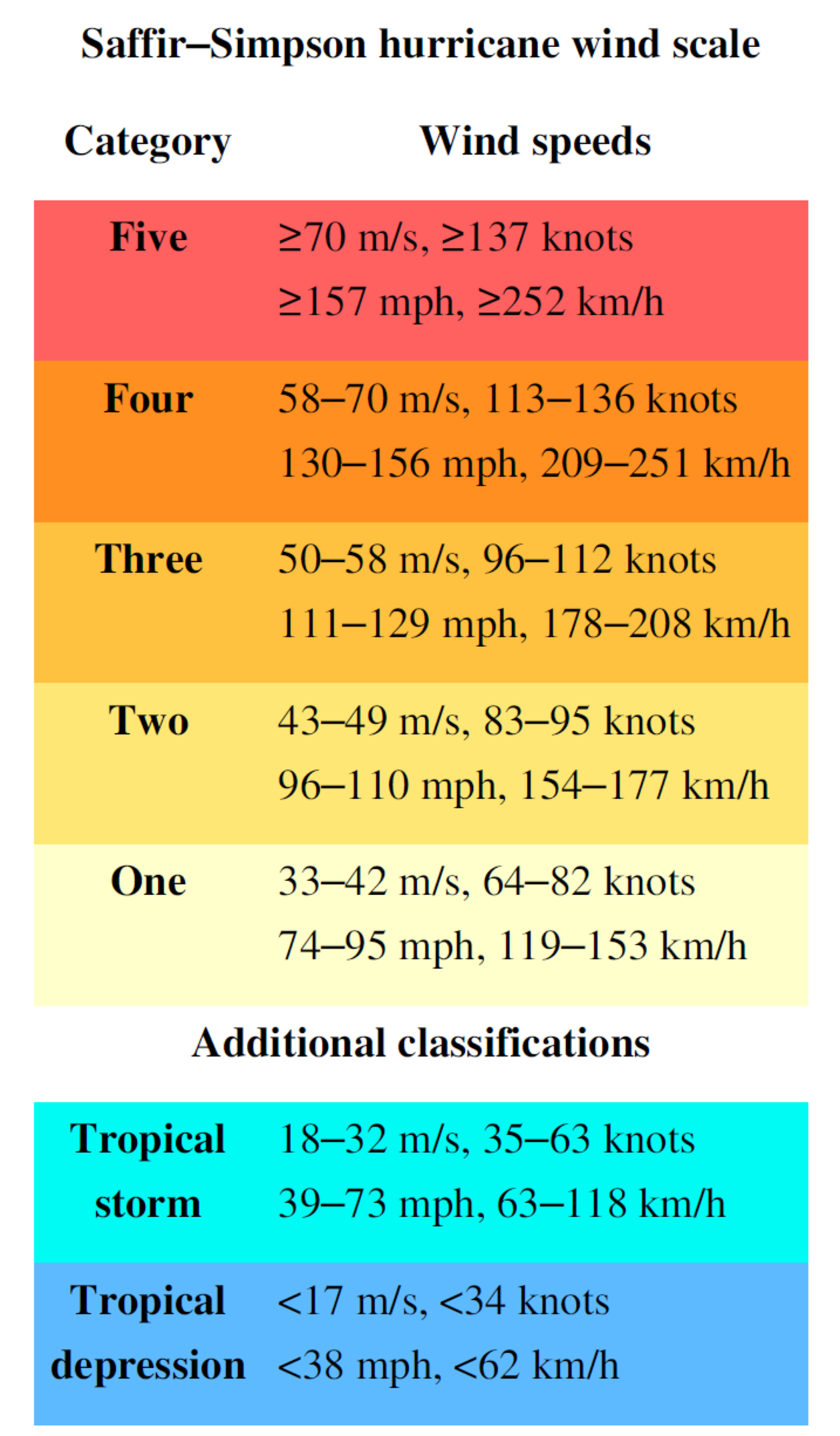
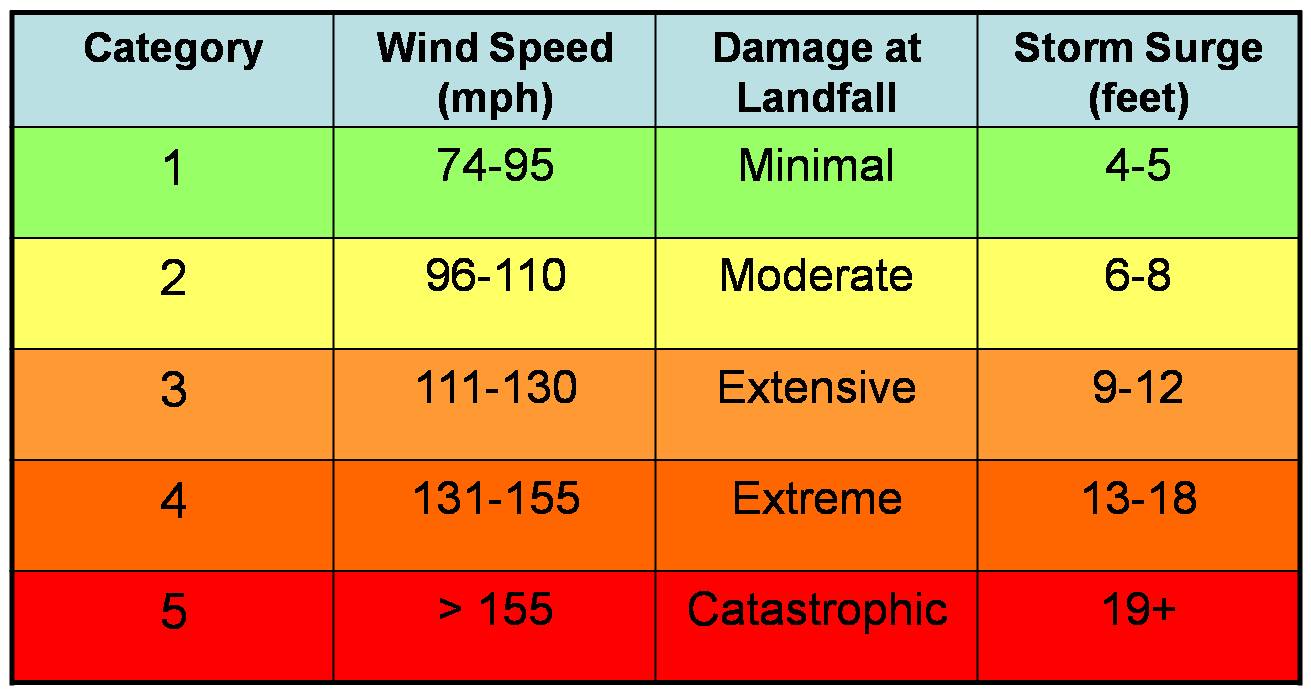
The key to understanding hurricane intensity lies in the Saffir-Simpson Hurricane Wind Scale. This scale, developed in the early 1970s, categorizes hurricanes from 1 to 5, based on their sustained wind speeds. Forget rainfall amounts or storm surge height for a moment – this scale focuses purely on the wind.
Category 1 hurricanes, with winds ranging from 74 to 95 mph, can cause damage to unsecured objects and vegetation. Think snapped tree branches and power outages. Not fun, but manageable. As we move up the scale, things get progressively more serious.
Must Read
Category 2 hurricanes (96-110 mph) start to pose a real threat to structures. Expect roof damage, broken windows, and widespread power outages. Category 3 (111-129 mph) is where things officially reach "major hurricane" status. These storms can cause significant structural damage, especially to smaller residences, and prolonged power outages lasting days or even weeks.
Category 4 hurricanes (130-156 mph) bring even more devastation. Expect widespread roof failure, significant damage to most homes, and the potential for inland flooding. Evacuations become crucial. Imagine the kind of chaos you'd see in a disaster film – yeah, it's that kind of intensity.
The Pinnacle: Category 5
And now for the big one: Category 5. This is the apex of hurricane intensity, the absolute maximum on the Saffir-Simpson scale. A Category 5 hurricane boasts sustained winds of 157 mph or higher. The potential damage is described as "catastrophic." We're talking about complete roof failure, walls collapsing, and even entire homes being swept away. Think total devastation.
Fun Fact: Did you know that the strongest hurricane ever recorded in the Atlantic basin was Hurricane Wilma in 2005? Its minimum central pressure was a mind-boggling 882 millibars, a measure of atmospheric pressure at the storm's center. The lower the pressure, the stronger the storm.
![Understanding Hurricane Categories [+ Preparation List]](https://www.alertmedia.com/wp-content/uploads/2019/05/hurricane-categories.jpg)
While a Category 5 is the highest official category, some scientists have argued that the scale is inadequate. The upper end of the scale is open ended. Once a hurricane reaches 157 mph, it’s categorized as a Category 5, even if the winds reach 200 mph. There's no "Category 6", even though some very intense storms deserve recognition beyond the existing scale.
Practical Tips: Prepare and Stay Safe
Knowing the categories is important, but preparing for hurricane season is crucial, especially if you live in a coastal area. Here are a few simple tips to keep you and your loved ones safe:
- Know your evacuation routes: Don't wait until the last minute to figure out where to go.
- Stock up on supplies: Non-perishable food, water, flashlights, batteries, and a first-aid kit are essential.
- Secure your home: Board up windows, trim trees, and bring in any loose objects from your yard.
- Stay informed: Monitor weather reports and heed warnings from local authorities.
Think of it like preparing for a major test. You wouldn't cram the night before, would you? Preparation is key. Just like Leonardo DiCaprio's character in "The Revenant" needed to be prepared for the wilderness, you need to be ready for hurricane season.
Connecting it to Daily Life
While we might not all face the direct threat of a Category 5 hurricane on a regular basis, the lessons we learn from understanding these powerful storms can be applied to other areas of our lives. Resilience, preparedness, and respecting the power of nature are valuable traits that can help us navigate any challenge, big or small. From facing a tough project at work to dealing with a personal crisis, a little preparation and a healthy dose of respect for the situation can go a long way. So next time the wind howls, remember that even the most formidable storm eventually passes, and the best thing you can do is be ready.