
What Is The Greatest Source Of Thermal Pollution
Ever felt like jumping into a cool lake on a scorching summer day? Ah, the relief! But what if that lake wasn’t so cool anymore? What if it felt… lukewarm? Chances are, you might be experiencing the effects of thermal pollution. But what exactly is it, and where's it all coming from?
Think of it like this: you're brewing a nice cup of tea. You heat the water in your kettle, right? That's adding thermal energy. Thermal pollution is pretty much the same idea, but on a much, MUCH larger scale. It's when we release excess heat into the environment, especially into our water bodies.
So, What's the Big Culprit? It's All About Industry!
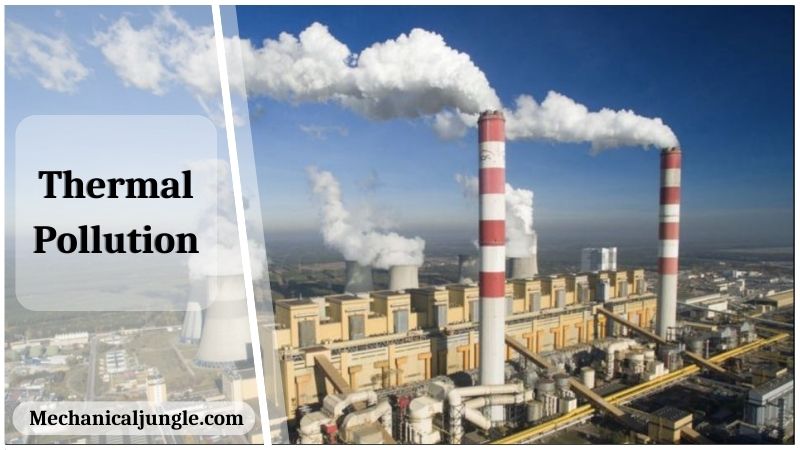
Ready for the reveal? The biggest source of thermal pollution isn't your car exhaust or even your air conditioner (though they contribute a tiny bit). Drumroll, please… It's industrial processes. Factories, power plants, and refineries – they all need to cool down their equipment, and they often use water to do it.
Must Read
Imagine a giant power plant. Inside, it's a whirlwind of energy generation, creating tons of heat. To keep things from melting down (literally!), they pump in water from a nearby river or lake. This water absorbs the heat, and then… well, then they often release that warmed-up water back into the environment.
It's like taking a nice, cold bath and then dumping a bucket of hot water in. Suddenly, the whole vibe changes, right? That's what's happening to our rivers and lakes.
Why Should We Care? More Than Just Lukewarm Swims!
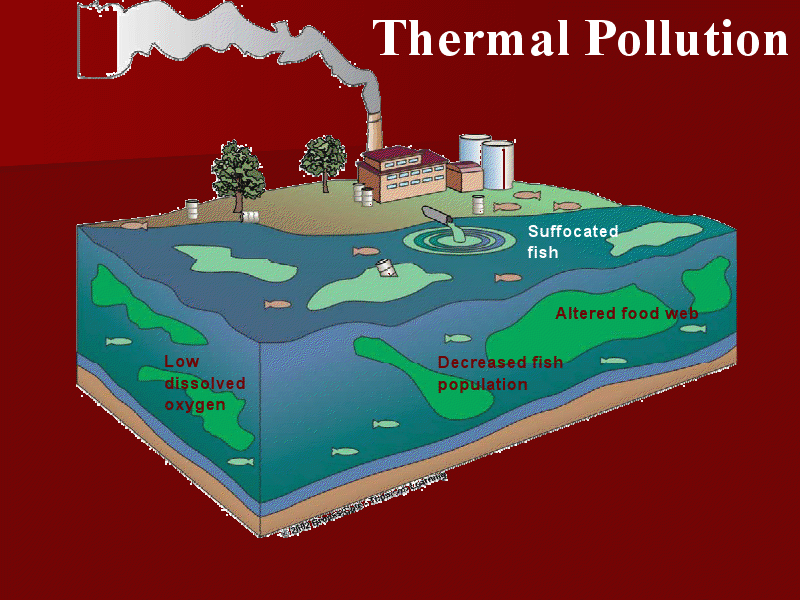
Okay, so maybe a slightly warmer lake doesn't sound like the end of the world. But thermal pollution has some serious consequences for aquatic life. Think of it this way: fish are like little Goldilocks when it comes to water temperature. They need it just right.
Warmer water holds less oxygen. This is a big problem for fish and other aquatic creatures that need oxygen to breathe. They can become stressed, weakened, and even die. It's like trying to run a marathon while holding your breath! Not fun.
Also, temperature changes can disrupt breeding cycles and make aquatic ecosystems more vulnerable to invasive species. Imagine your favorite local fish struggling to survive because the water is too warm, while a foreign, heat-loving species thrives. It’s a recipe for ecological imbalance!
Beyond the Fish: Ripple Effects
The impact extends beyond just the fish. Think about the birds that rely on those fish for food, or the local economy that depends on recreational fishing. It's all connected! When thermal pollution messes with one part of the ecosystem, it can have ripple effects that affect everything else.
Remember that relaxing swim we talked about earlier? If algae blooms thrive in warmer waters, your swimming spot can become a green, smelly mess. Nobody wants that!

What Can Be Done? It's Not All Doom and Gloom!
The good news is that we're not helpless! There are solutions to combat thermal pollution. Regulations are key. Governments can set limits on the temperature of water discharged from industrial facilities.
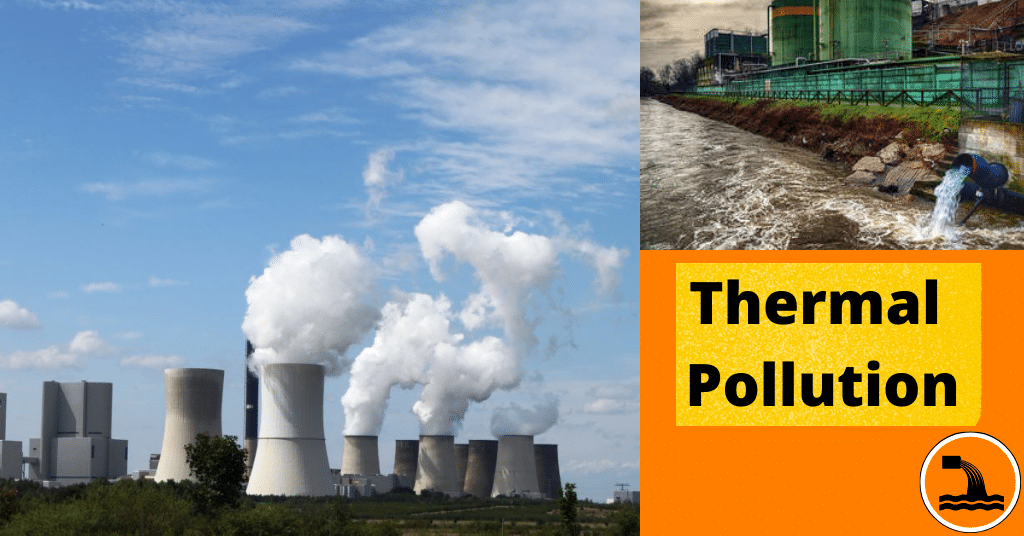
But it’s not just about regulations. Many industries are adopting cooling technologies that minimize the amount of heat released into the environment. Things like cooling ponds and cooling towers can help dissipate heat before the water is discharged back into a river or lake.
Even better, some industries are exploring ways to reuse the heated water for other purposes, like heating buildings or industrial processes. Talk about efficient!
On a personal level, supporting businesses that prioritize sustainable practices can make a difference. Educating yourself and others about the issue is also important. After all, knowledge is power!
Let’s Keep Our Waters Cool!
Thermal pollution might not be the flashiest environmental problem, but it's a serious one. By understanding the sources and consequences, we can work together to keep our waters healthy and thriving for generations to come. So next time you're enjoying a cool drink by the lake, take a moment to appreciate the delicate balance of our aquatic ecosystems and think about how we can all do our part to protect them!