
What Is The Energy Charge On My Electric Bill

Okay, let’s talk about your electric bill! (No groaning allowed!). Specifically, we're diving into the mystery of the "energy charge." You see it every month, but what exactly is it? And more importantly, can understanding it actually make your life…dare I say…more fun? Stick with me, and you might be surprised!
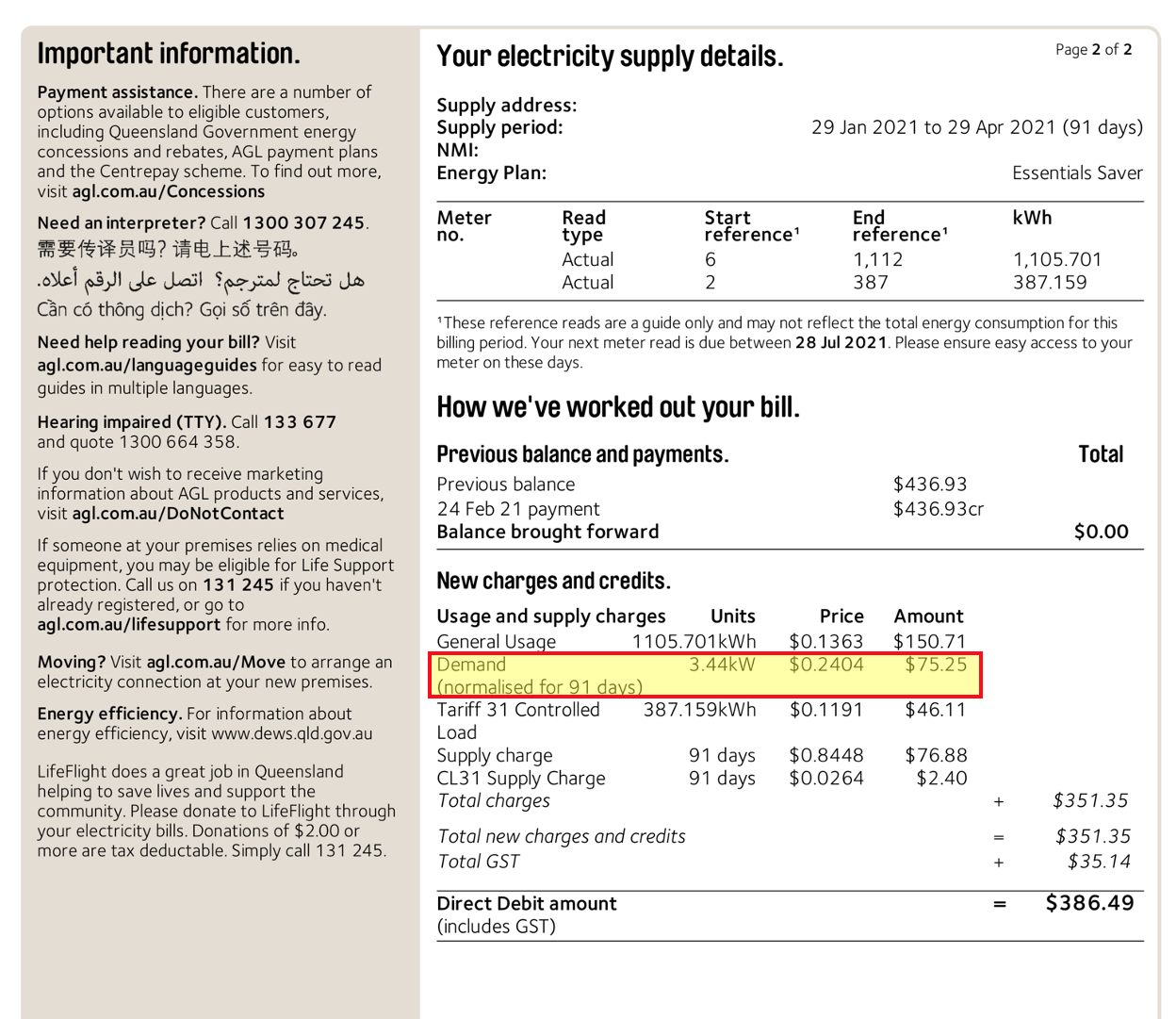
Simply put, the energy charge is the price you pay for each unit of electricity you use. Think of it like buying gasoline for your car. You pay a certain amount per gallon, right? Electricity is similar. It's just measured in different units— kilowatt-hours (kWh). Now, I know what you're thinking: "Kilowatt-hours? Sounds complicated!" But trust me, it's not as scary as it sounds.
What's a Kilowatt-Hour (kWh)?
Must Read
Imagine a 100-watt light bulb. If you leave it on for 10 hours, that's one kilowatt-hour (100 watts x 10 hours = 1000 watt-hours = 1 kWh). So, the energy charge is how much your utility company charges you for each of those kilowatt-hours you consume. Pretty straightforward, huh?
Now, let's get to the fun part! Knowing what the energy charge is lets you become a detective in your own home! You can start investigating where all that electricity is going.
Why Does the Energy Charge Matter?
Besides the obvious – paying your bill! – understanding the energy charge gives you power (pun intended!) to control your energy consumption and, therefore, your costs. Here's why it matters:

- Budgeting: Knowing the energy charge helps you predict your monthly bill. You can estimate how much more (or less) you'll pay depending on your usage.
- Finding Savings: If you know the cost per kWh, you can calculate how much you'll save by switching to energy-efficient appliances or making other changes around the house.
- Understanding Your Usage: A high energy charge might be a sign that you're using more electricity than you realize. This can prompt you to investigate potential energy vampires lurking in your home (we'll get to those in a sec!).
How is the Energy Charge Calculated?
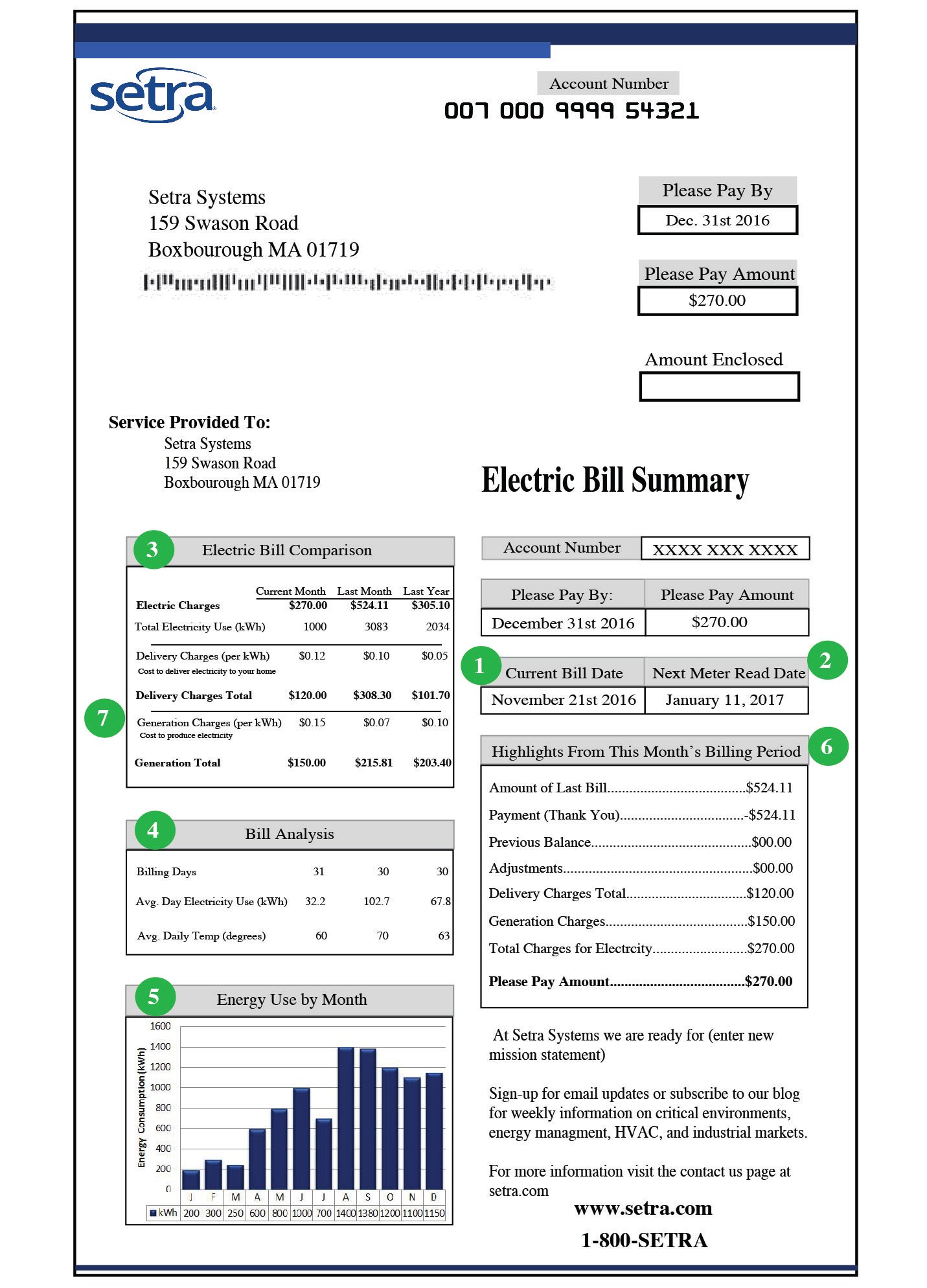
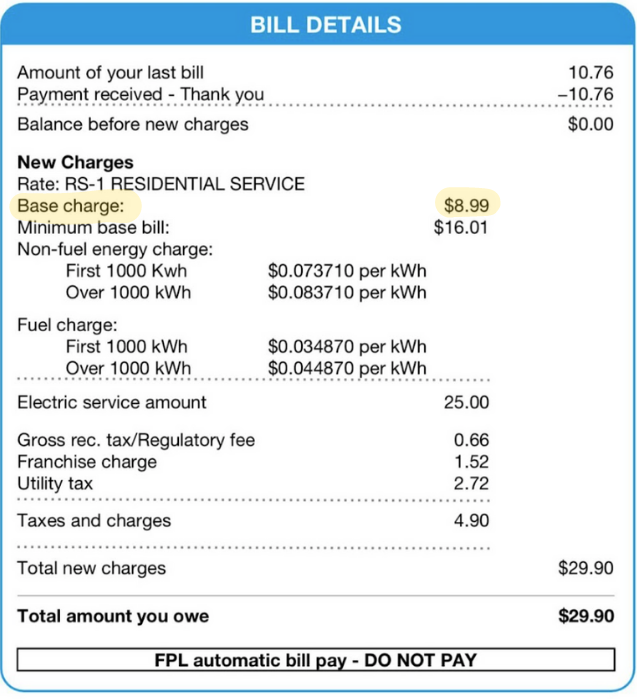
The calculation is simple: it’s the number of kWh you used multiplied by the price per kWh. Your electric bill should show both of these numbers clearly. Let's say your bill shows you used 500 kWh and the energy charge is $0.15 per kWh. Your energy charge would be 500 kWh x $0.15/kWh = $75. Bam! You're practically an energy accountant now!
But here's the thing: the price per kWh can vary! It can depend on a few factors:
- Time of Use: Some utility companies charge different rates depending on the time of day. Electricity might be cheaper during off-peak hours (like late at night) and more expensive during peak hours (like when everyone is blasting their AC on a hot afternoon). Consider shifting your energy use to off-peak times to save money.
- Location: Energy prices vary depending on where you live. This is due to differences in fuel sources, regulations, and other regional factors.
- Season: Prices sometimes fluctuate seasonally due to higher demand during summer or winter.
Finding and Defeating Energy Vampires!
These are the devices that suck electricity even when they're turned off! Things like phone chargers, TVs, and computers often draw a small amount of power in standby mode. Unplugging them when you're not using them can save you a surprising amount of money over time. Think of it as a fun game of energy-saving whack-a-mole! Every device you unplug is a tiny victory for your wallet and the environment.
Take Action and Have Fun!
Now that you understand the energy charge, you can take steps to reduce your consumption. Here are a few ideas to get you started:
- Switch to LED lighting: LEDs use significantly less energy than traditional incandescent bulbs.
- Use smart power strips: These can automatically cut power to devices when they're not in use.
- Adjust your thermostat: Even a few degrees can make a difference.
- Seal up air leaks: Caulk windows and doors to prevent drafts.
- Wash clothes in cold water: Heating water accounts for a significant portion of your energy bill.
- Embrace the power of the sun! Open your curtains during the day for natural light and warmth.
I know, I know, it can seem like a lot. But just start small. Pick one or two things you can change and see how it affects your next bill. You might be surprised by how much you can save! And the best part? Saving energy is not only good for your wallet, it's also good for the planet! So, you can feel good about doing your part to make the world a little greener.
So, there you have it! The energy charge demystified! You're now armed with the knowledge to understand your electric bill and take control of your energy usage. Don't be afraid to explore your utility company's website for more information, resources, and maybe even some rebates or incentives. Learning about energy is a journey, not a destination. And who knows, you might even discover a newfound passion for saving energy and creating a more sustainable future. Go forth and become an energy-saving superhero!