What Is The Efficiency Of A Solar Panel
Ever gazed at a solar panel glinting on a rooftop and wondered, "How much of that sunshine actually turns into electricity?" It's a fantastic question, and one that gets right to the heart of what makes solar energy so exciting and relevant today! Understanding solar panel efficiency isn't just for science buffs; it's key to appreciating how these silent powerhouses are changing our world, saving us money, and cleaning up our planet. Let's peel back the layers and uncover the magic!
So, what exactly is solar panel efficiency? In simple terms, it's a measurement of how much of the sunlight hitting a panel is converted into usable electricity. Imagine a chef trying to make as many delicious meals as possible from a basket of ingredients. Efficiency is like knowing what percentage of the ingredients actually make it into the final dish, rather than being wasted. For solar panels, it's the percentage of the sun's energy that gets transformed into power for your home, instead of being reflected or lost as heat.
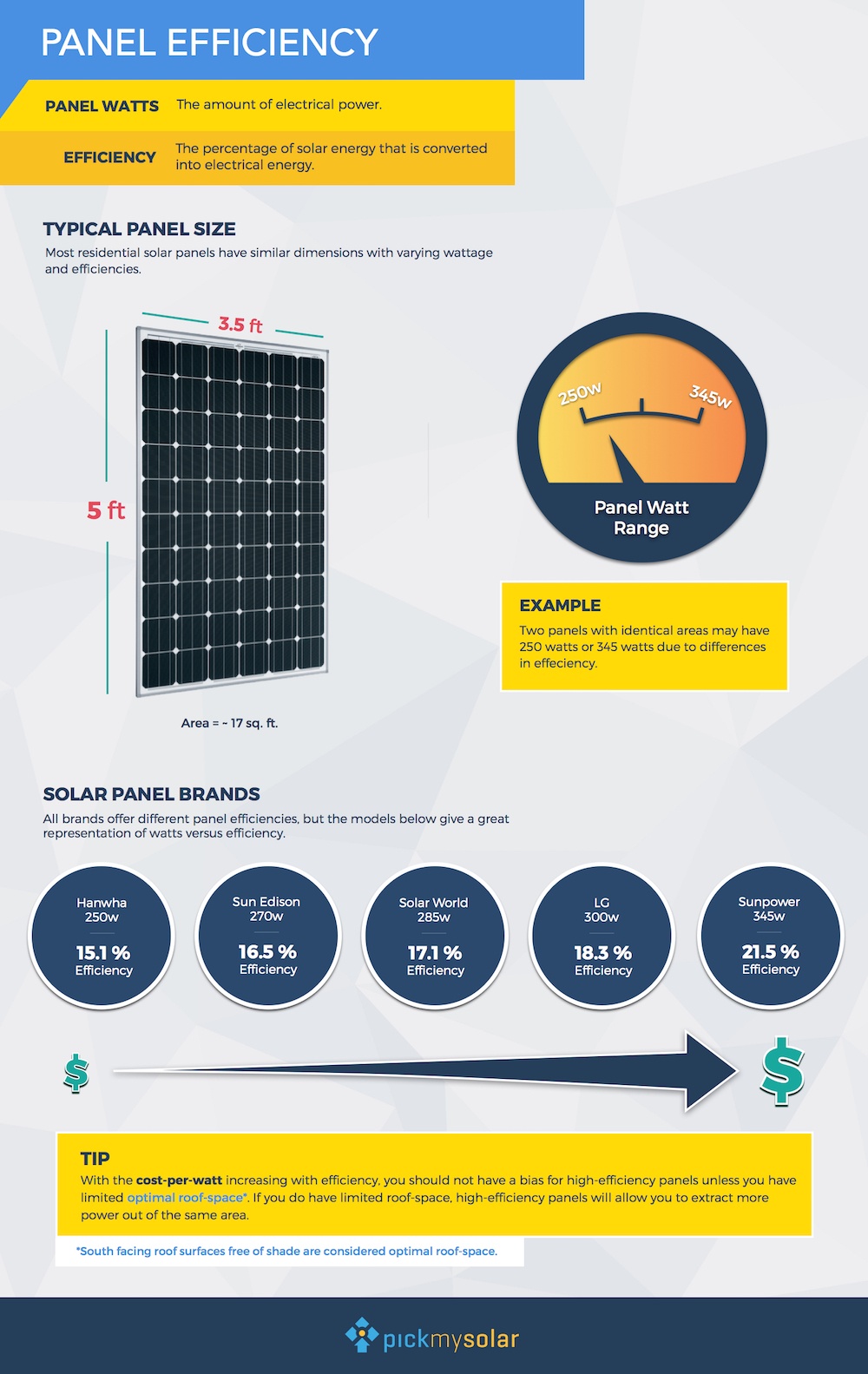
You might be surprised to learn that even the best commercially available solar panels don't convert 100% of the sunlight into electricity – and that's perfectly normal! The laws of physics, the different wavelengths of light, and even the panel material itself mean some energy will always be lost. Today, most residential solar panels boast efficiencies ranging from 17% to 20%. Higher-end models can push past 22-24%. While that might not sound like much, remember, it's free energy directly from the sun, year after year!
Must Read
Why does this number matter? Well, for starters, higher efficiency means more power from less space. If you have a smaller roof, or simply want to maximize your energy production, a panel with a higher efficiency rating will generate more electricity per square foot. This translates directly to greater savings on your utility bill and a smaller carbon footprint. It also means you might need fewer panels to meet your energy needs, potentially impacting installation costs and aesthetics.
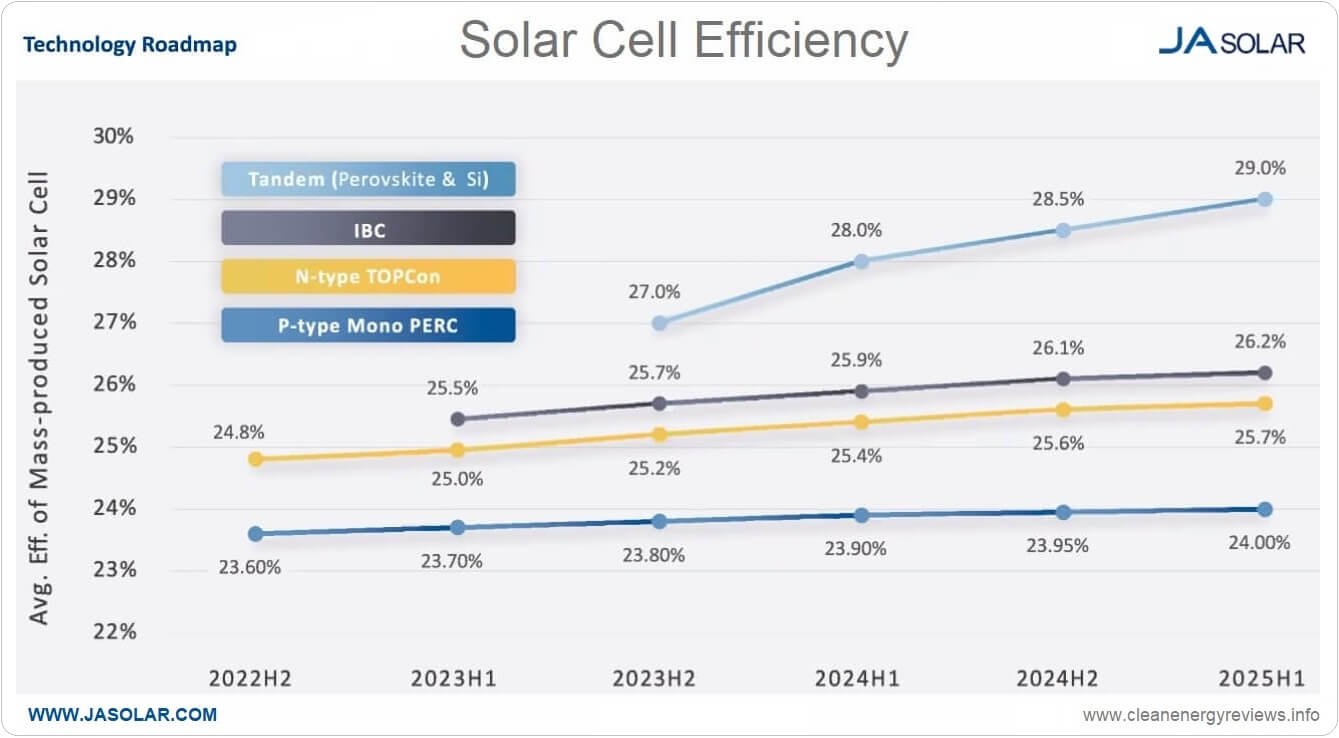
Several factors play a role in a panel's real-world efficiency. The type of solar cell (monocrystalline cells typically offer higher efficiency than polycrystalline), the temperature (panels actually perform slightly worse in extreme heat), and even something as simple as dirt and dust can affect how much light reaches the cells. That's why keeping your panels clean and ensuring they're installed at the optimal angle are important steps to maximize their output.
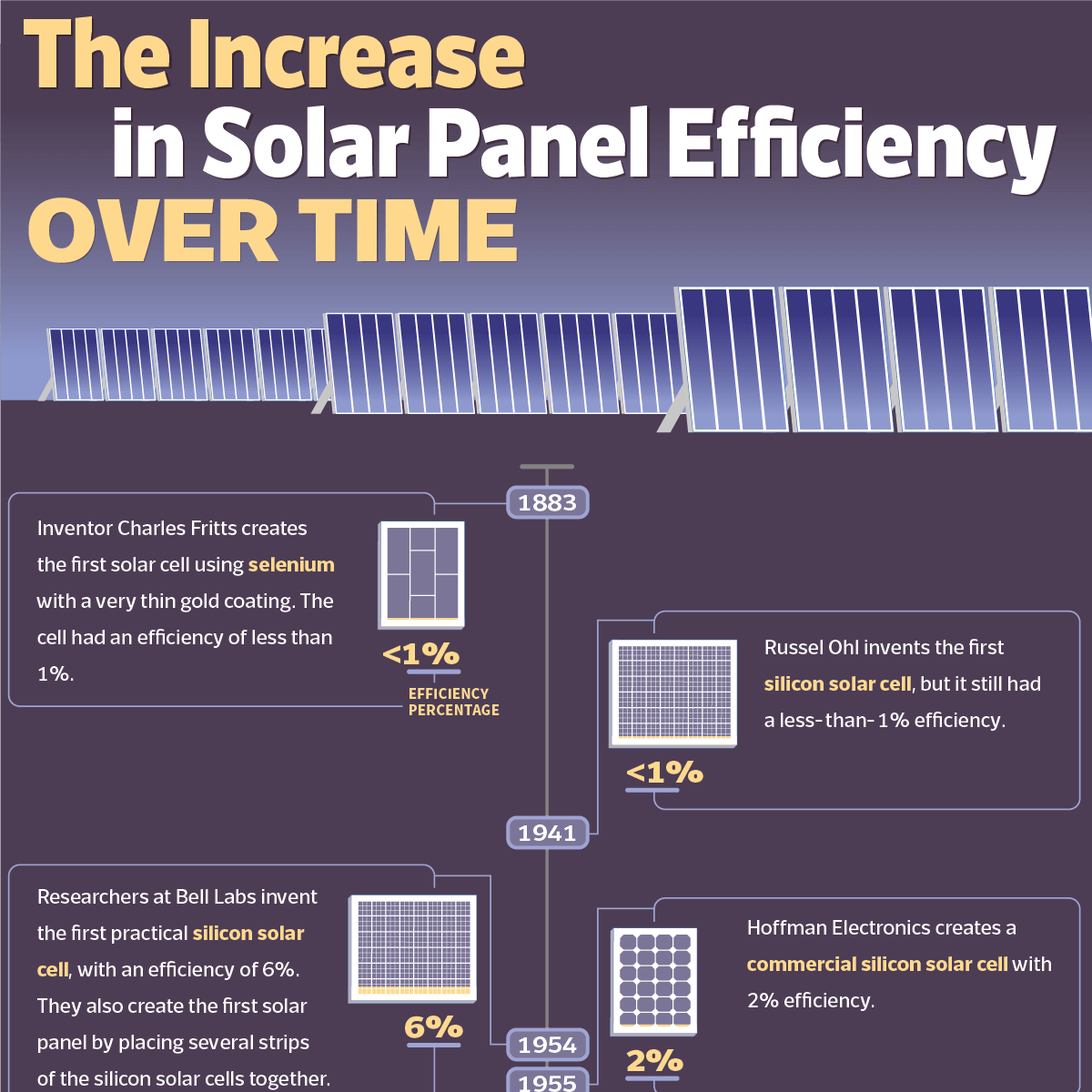
The continuous drive to improve solar panel efficiency is one of the most exciting aspects of renewable energy. Researchers are constantly developing new materials and technologies that push these percentages higher, making solar power more accessible and cost-effective for everyone. Every percentage point increase means more energy independence, greater environmental benefits, and a brighter, cleaner future for our planet. So, the next time you see a solar panel, remember its incredible work: silently, efficiently, and brilliantly turning sunshine into power for all of us!