
What Is The Downside To Life Line Screening
So, you're thinking about getting a Life Line Screening? That's cool! It sounds all futuristic and space-age-y, right? Like something out of a sci-fi movie where they scan you and immediately know if you're going to sprout tentacles or suddenly develop a craving for asteroids. But hold your horses (or unicorns, whatever your preferred steed). While the idea is tempting, let's chat about the potential downsides. Think of me as your friendly neighborhood truth-teller, armed with facts and slightly questionable analogies.
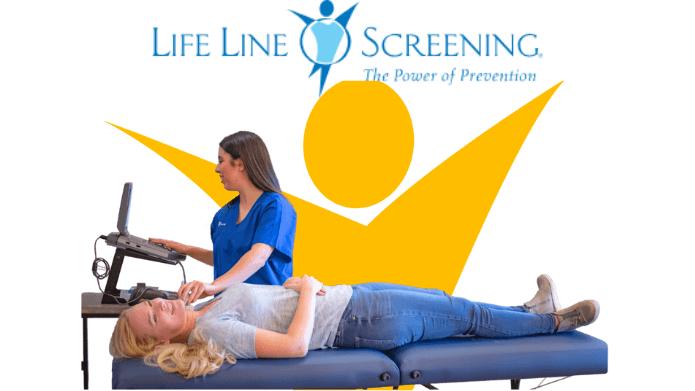
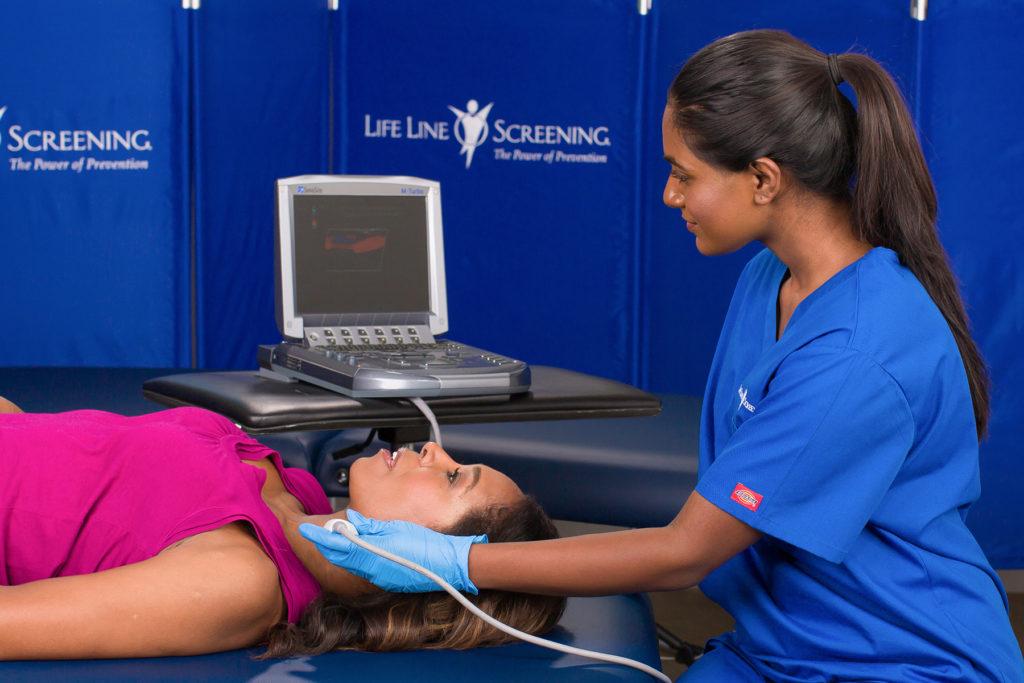
First off, what is Life Line Screening? Basically, they offer a suite of tests, often held in community centers or churches, aiming to detect early signs of things like stroke risk, heart disease, and abdominal aortic aneurysms. Sounds good so far, yeah? Like a proactive ninja strike against future health problems.
The "False Alarm" Follies
Here’s where things get a little…spicy. One of the biggest criticisms is the potential for false positives. Imagine getting a call that suggests you might have a serious condition. Panic ensues! You spend weeks (maybe months!) stressing, Googling symptoms (never a good idea, by the way – WebMD thinks a paper cut is stage four cancer), and generally becoming a nervous wreck. Then, after shelling out more cash for further testing by your actual doctor, you find out it was all a big, elaborate misunderstanding. Turns out, the "danger zone" they found was just your spleen having a particularly good Tuesday.
Must Read
Think of it like this: You're convinced your dog has eaten your diamond earrings. You spend all day frantically searching, even calling a pet psychic (don't judge!). Turns out, the "sparkle" you saw was just a rogue sequin from your disco-era jacket. Relief, yes. But also, a whole lotta wasted energy (and possibly a dent in your bank account from the pet psychic).
The "False Negative" Fiesta
Okay, so false positives are bad. But what about false negatives? Even worse, right? These screenings aren’t perfect. They can miss things. You might get a clean bill of health, breathe a sigh of relief, and then…wham! The actual problem rears its ugly head later, possibly in a more advanced stage. This can create a false sense of security, making you less vigilant about your health.
Imagine a burglar alarm that only works half the time. You think your house is safe, so you leave the windows open and your priceless collection of rubber duckies on display. Needless to say, disaster ensues. It's better to have no alarm than one you can't trust, right?
The "Doctor Knows Best" Dilemma
Another concern is that these screenings aren’t always tailored to your individual needs and risk factors. A qualified physician considers your personal medical history, family history, lifestyle, and performs a physical exam before recommending specific tests. Life Line Screening offers a standardized package, which might include tests you don’t actually need and miss tests you do need.
It's like going to a tailor and getting fitted for a generic suit instead of having one custom-made. Sure, it might technically fit, but it won't be as flattering or functional as something designed specifically for you.
The Cost Conundrum
Let's not forget the moolah! While the individual tests might seem reasonably priced, they can add up quickly. And remember that those "discounted" packages are often designed to tempt you into getting more tests than you actually require. Plus, you'll likely need to see your doctor afterward to interpret the results and potentially undergo further testing, adding even more to the financial burden.
You're essentially paying for a "maybe" instead of a definitive answer. And let's be honest, "maybe" is the most annoying word in the English language (except maybe "moist," but that's a discussion for another time).

The Anxiety Amplifier
Finally, think about the psychological impact. Even if the results are negative, the process of worrying about your health can be stressful. It can lead to increased anxiety and a heightened awareness of every little ache and pain. Suddenly, that twinge in your shoulder becomes a sign of impending doom. That slight dizziness? Clearly, a brain tumor. It's a slippery slope to hypochondria-ville, population: you.
So, what’s the takeaway? Life Line Screening isn’t inherently evil. For some people, it might provide valuable early detection. But it’s crucial to be aware of the potential downsides. Talk to your doctor! Seriously, that's the most important thing you can do. They can assess your individual risk factors and recommend the most appropriate screening tests for you. They're like your personal health Sherpa, guiding you through the treacherous mountains of medical information.
In conclusion, before signing up for a Life Line Screening, do your homework, weigh the pros and cons, and, most importantly, consult with your doctor. Don't let fear or fancy marketing tactics cloud your judgment. After all, your health is too important to leave to chance (or a slightly overzealous screening company).
