What Is The Downside Of A Tankless Water Heater
Okay, so picture this: I'm in the shower, finally getting that perfect water temperature after what feels like an eternity of fiddling with the knobs. Steam is rising, birds are probably chirping outside (maybe), and then BAM! Ice cold water. Turns out, my wife decided to run the dishwasher. Romance officially dead. And that, my friends, is a gentle introduction to one of the potential downsides of a tankless water heater. You thought endless hot water was a myth, didn't you? Turns out, nothing is truly endless.
The Initial Investment: Ouch!
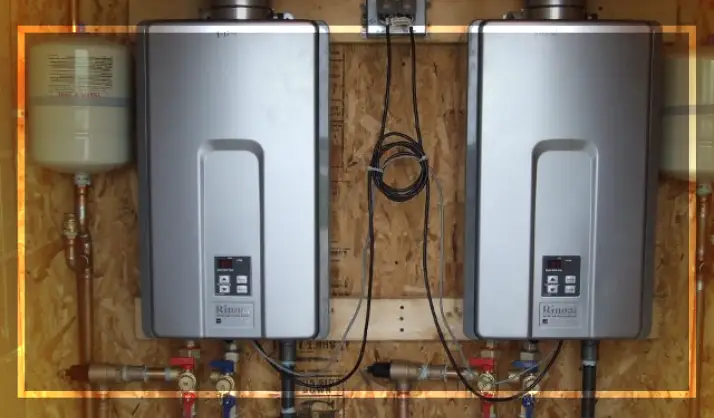
Let’s be honest, the first thing that hits you about tankless water heaters is the price tag. They're significantly more expensive upfront than their tank-having brethren. We're talking potentially double, or even triple the cost. Ouch. That’s a lot of ramen noodles you could be buying instead. And that's just the unit itself.
Don’t forget about installation! This is where things can get really interesting. Many older homes might require upgrades to their gas lines or electrical systems to properly support the increased demands of a tankless system. Ka-ching! There goes your vacation fund. Be sure to get quotes from several qualified plumbers before you commit. Seriously. Do it.
Must Read
The Dreaded Flow Rate Dilemma
Remember my shower story? Yeah, that’s all about flow rate. Tankless water heaters can only heat a certain amount of water at a time. This is measured in gallons per minute (GPM). If you try to use more hot water than your unit can handle – say, running the shower, washing dishes, and doing laundry simultaneously – you'll experience that lovely cold-water surprise. It's like the universe is telling you to prioritize. (It’s probably your in-laws coming over, right?) The important thing is to understand your household's hot water needs. Count how many things you might be doing at once and get a unit that can handle that flow rate.
Cold Water Sandwich: A Chilling Experience
This is a weird one, but a real concern. When you first turn on a hot water tap connected to a tankless system, there's a brief period where cold water flows through the pipes until the unit fires up and starts heating. This creates what some people call a “cold water sandwich” – a burst of cold water before you get the hot stuff. It’s not a huge deal, but it can be annoying, especially if you're just trying to quickly wash your hands. (Though I guess it's a good incentive to wash them faster?) Newer, more advanced models are working to mitigate this, but it's still something to be aware of.
Power Outages: Hot Water Gone Silent
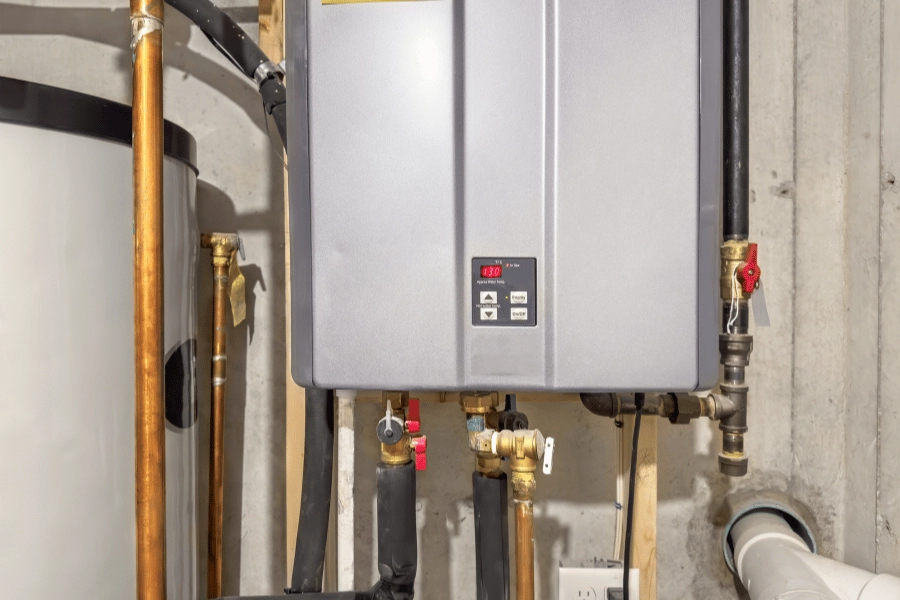
Unlike traditional tank water heaters, most tankless systems rely on electricity to operate their controls and igniters. This means that if the power goes out, so does your hot water. This can be a real bummer, especially if you live in an area prone to blackouts. You can consider getting a backup generator, but then you're adding even MORE cost and complexity. It's a trade-off to consider.
Maintenance Matters (and Costs Money!)
Tankless water heaters are generally reliable, but they do require regular maintenance to keep them running smoothly. Mineral buildup, especially in areas with hard water, can reduce their efficiency and lifespan. This usually involves flushing the system with a descaling solution. You can do this yourself, but it's often recommended to have a professional do it. And, of course, professional maintenance comes with a price tag. (Are we surprised?) Neglecting maintenance can lead to costly repairs down the road, so don't skip it!

Condensation: The Puddles of Mystery
High-efficiency condensing tankless water heaters produce acidic condensate as a byproduct of their operation. This condensate needs to be properly drained away to prevent damage to your home. The drain line can sometimes become clogged or corroded, leading to leaks and other problems. Regularly inspect the condensate drain line to ensure it's clear and functioning properly. A little preventative maintenance can save you a lot of headaches (and potentially expensive water damage) later on. We're talking about your floors and walls here, people!
So, are tankless water heaters a bad idea? Not necessarily! They offer many benefits, including energy efficiency and space savings. But it's crucial to weigh the pros and cons carefully before making a decision. Understanding the potential downsides will help you make an informed choice that's right for your home and budget. And maybe, just maybe, you'll avoid my shower surprise!