
What Is The Disadvantages Of Geothermal Energy
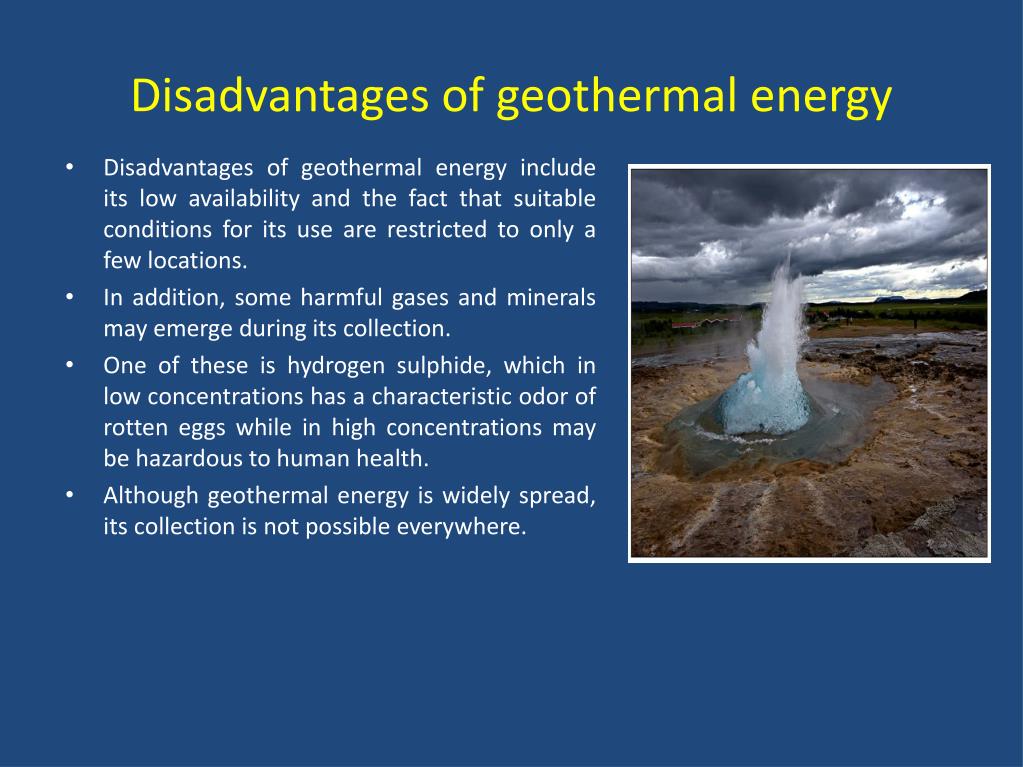
So, geothermal energy – it sounds like something straight out of a superhero movie, right? Harnessing the Earth's inner fire to power our homes and gadgets! It's clean, renewable, and makes us feel like we're sticking it to the oil barons. But before we all rush out to buy geothermal-powered toasters, let's talk about the not-so-glamorous side of this underground marvel.
The "Ouch, My Wallet!" Factor
First up, let's talk money. Think of geothermal power plants as super fancy, underground plumbing systems. Installing them isn't exactly like slapping up a birdhouse.
It's more like digging to China…or at least a really, really deep part of your backyard. That initial cost can make your bank account weep. It's not like setting up solar panels on your roof; geothermal is like major surgery for the Earth, which comes with a major price tag.
Must Read
Imagine wanting to install a swimming pool, only to find out you have to hire Indiana Jones to excavate it using only a toothbrush. Yeah, it's kind of like that.
Location, Location, Location! (Or Lack Thereof)
Okay, so you've got the cash ready to invest. Fantastic! Now, here's the thing: geothermal energy isn't like sunshine – it doesn't shine equally on everyone. You can't just plop a geothermal plant anywhere you feel like it.
It needs specific geological conditions, like underground reservoirs of hot water or steam. Think of it as needing to build your dream house next to a super-secret, underground volcano. Not everyone has that kind of real estate available. It's all about being in the right place at the right…earth's crust.
Basically, if you're living in, say, Antarctica, geothermal energy might not be your best bet. Unless you've discovered a hidden, tropical paradise under all that ice, in which case, disregard everything I just said!
Shake, Rattle, and…Earthquake?
Alright, this one might sound a little scary, but let's not panic just yet. In some cases, geothermal activities can potentially trigger minor earthquakes. Think of it like this: imagine poking a sleeping giant with a really long, geothermal-powered stick.
Sometimes, the giant just yawns. But sometimes, it might twitch a little. Injecting or extracting fluids from the Earth can, in rare instances, cause the ground to shift and rumble. These are generally small tremors, but nobody wants their morning coffee interrupted by an unexpected earthquake.
Scientists are working hard to minimize these risks, but it's definitely something to consider. It's like knowing your pet hamster could theoretically chew through your electrical wires…you probably still love the hamster, but you're going to keep an eye on it!
Release of Greenhouse Gasses (Gasp!)
Okay, okay, before you scream "Hypocrite!" let me explain. Geothermal is generally considered a clean energy source, and compared to fossil fuels, it definitely is. However, geothermal plants can sometimes release small amounts of greenhouse gases, like carbon dioxide and hydrogen sulfide, that are trapped underground.
It's like opening a really old bottle of soda – you might get a little fizz escaping. These emissions are usually much lower than those from fossil fuel plants, but they're not zero. We're still trying to minimize any impact.
Think of it as choosing between a slice of pizza with one pepperoni versus a whole box of pepperoni. Both have pepperoni, but one is clearly the healthier option.
The Sustainability Question: Is It Truly Endless?
Geothermal energy is renewable, but that doesn't automatically mean it's infinitely sustainable. It's like having a never-ending supply of cookies…as long as you don't eat them all in one sitting!
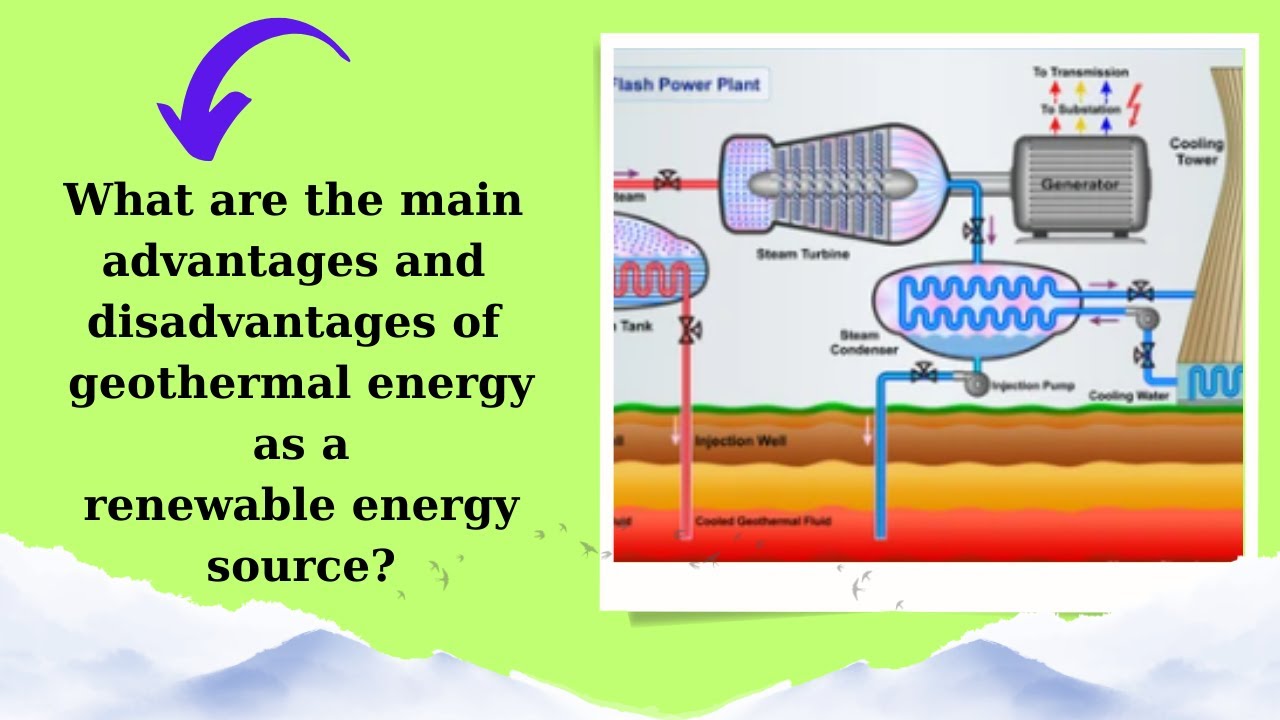
If we extract geothermal energy too quickly, the underground reservoirs can cool down faster than they can naturally replenish. Imagine draining a hot tub faster than the heater can keep up. Eventually, you're left with a lukewarm disappointment.
Responsible management and careful monitoring are crucial to ensuring that geothermal resources remain sustainable for the long haul. We need to treat it like a precious resource, not an all-you-can-eat buffet.
Water Woes
Some geothermal plants need a lot of water to operate. Which is fine, except when you are in an area that has a limited water supply. Think of it like this, if everyone starts to drink the same glass of water. In the end, the water will be no more!
This can lead to conflicts with other water users, like farmers or communities that rely on the same water source. Finding ways to use water efficiently and responsibly is a must. We need to make sure everyone has enough to drink!
It is like sharing a cake, you have to make sure every single person gets a piece of that delicious cake.
Corrosion Concerns
The stuff deep inside the Earth isn't always sunshine and rainbows. Sometimes, geothermal fluids can be pretty corrosive. Think of them as being like a super-sour lemonade that eats through everything it touches.
This can damage the pipes and equipment in geothermal plants, leading to maintenance headaches and costly repairs. Selecting the right materials and using corrosion-resistant technologies is important.
It is like protecting your car from the weather elements, so it does not get damaged easily.
Noise Pollution
Geothermal plants, like any industrial facility, can generate some noise. The whirring of turbines, the pumping of fluids, and the clanging of equipment can add up. Imagine living next to a really enthusiastic marching band that practices 24/7.

While it's usually not deafening, it can be a nuisance for nearby residents. Careful planning and noise reduction measures can help minimize the impact. It is like having a loud neighbour that blast music, so you have to ask them to turn it down to a decent level.
Making sure to keep everyone happy is important, so they do not make other noise complaints.
Land Use
Geothermal plants can take up a fair amount of land. They need space for the power plant itself, as well as for wells, pipelines, and other infrastructure. That's like having a really big garden that takes up your whole backyard.
This can be a concern in areas where land is scarce or where there are competing land uses, such as agriculture or conservation. Carefully planning and minimizing the footprint of geothermal projects is important. It is like moving into a new place with very limited space.
There are ways to maximize space to fit all your needs.
Visual Impact
Let's be honest, geothermal plants aren't always the prettiest things to look at. They can have a bit of an industrial aesthetic, with cooling towers, pipelines, and other structures. It is like having an old building next to a high class building.
While some people might not mind, others might find them visually unappealing. Incorporating landscaping and architectural design can help mitigate the visual impact. It is like decorating your old room with nice paint and modern designs.

Making sure to keep the house looking better.
Environmental Concerns
While geothermal energy is generally clean, there can be some environmental impacts. For example, the drilling of wells can disturb the surrounding environment, and the disposal of geothermal fluids can potentially contaminate water sources. It is like having trash on the streets.
Careful planning and responsible management are crucial to minimizing these impacts. We need to make sure we're protecting the environment while we're harnessing the Earth's energy. We need to make sure to throw the trash at the right place.
Always keep the environment clean.
Conclusion: Weighing the Pros and Cons
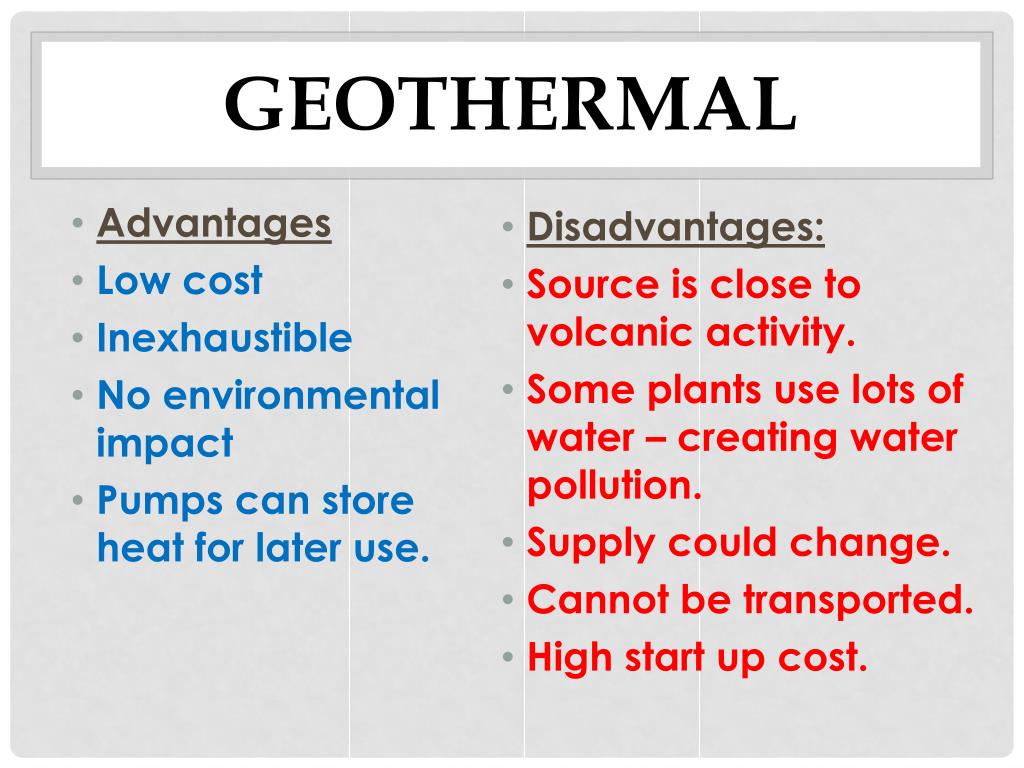
So, there you have it – the not-so-secret downsides of geothermal energy. From the "Ouch, My Wallet!" factor to the potential for minor earthquakes, it's clear that geothermal isn't a perfect solution. However, it's important to remember that every energy source has its drawbacks. The key is to weigh the pros and cons carefully and make informed decisions about the best way to meet our energy needs.
Geothermal energy can be a good solution, but also has some considerations. It is a matter of deciding.
Who knows, maybe someday we'll figure out how to harness geothermal energy without any of these downsides. Until then, let's appreciate the power of the Earth while being mindful of its limitations.