What Is The Difference Between Volts And Current
Ever felt a little zapped trying to understand electricity? Don't worry, you're not alone! Two of the most common terms, volts and current, can sound intimidating, but they're actually quite simple when you break them down. Think of them as two buddies, each playing a crucial role in getting things powered up!
Volts: The Pushy Water Pressure
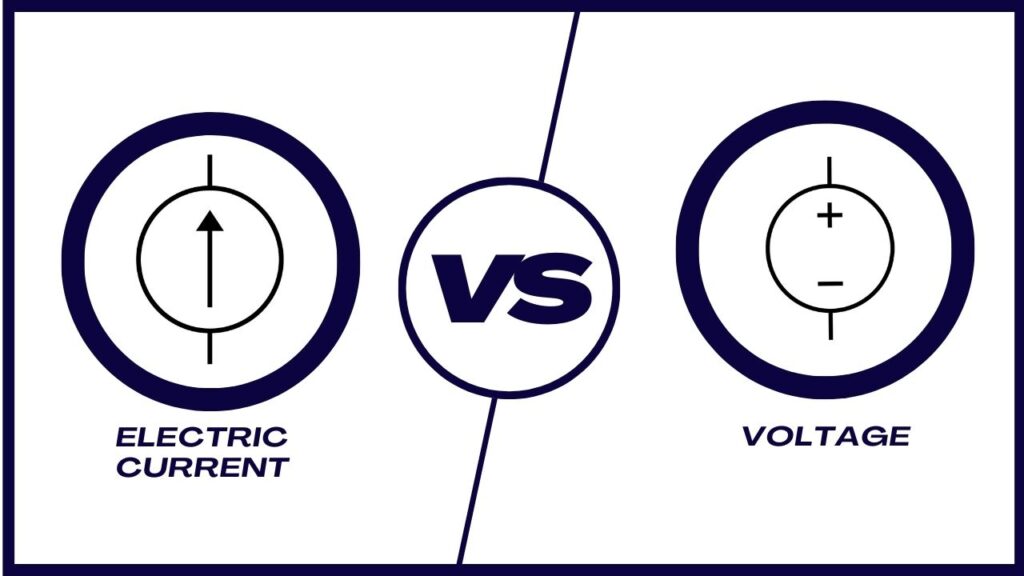
Imagine a water hose. Volts are like the water pressure in that hose. They represent the "oomph," the electrical force that's pushing the electrons (those tiny little particles that carry electricity) through a wire. The higher the voltage, the more "oomph" there is! Think of it like this: a gentle stream of water from a garden hose versus a fire hose blasting with incredible force. That fire hose? Super high voltage (though, thankfully, we don't usually encounter that much voltage in our homes!).
So, a volt is a unit of electrical pressure. A small voltage, like in a AA battery (around 1.5 volts), is enough to power a small toy. But a wall outlet? That's usually around 120 volts (in the US, anyway), enough to power your TV, your toaster, and even your hairdryer! (Though maybe not all at the same time!).
Must Read
"Voltage is like the boss, telling the electrons where to go!"
Thinking About Batteries
Think about different types of batteries. A tiny button battery might have a low voltage, enough to power a watch. A car battery? Now that's a different story! It needs a much higher voltage (around 12 volts) to crank that engine. So, when you're looking at electronics, remember voltage is about the pressure needed to get the electricity flowing.
Current: The Flowing River of Electrons
Now, let's get back to that water hose. Current is like the amount of water flowing through the hose. It's the rate at which those electrons (remember them?) are zipping through the wire. We measure current in amperes, often shortened to "amps." Think of amps as the number of electron-cars zooming down the electron-highway per second.

A small current, like a few milliamps (thousandths of an amp), might be enough to power a tiny LED. But a big current, like 15 or 20 amps, is needed for appliances like your air conditioner or electric stove. The more power an appliance needs, the higher the current it will draw. Imagine trying to fill a swimming pool with a tiny drinking straw. It would take forever! You need a bigger pipe – more current – to get the job done efficiently.
"Current is the worker, carrying the energy where it needs to go!"
Why Amps Matter
Amps are super important for safety. Your circuit breakers are designed to trip (switch off) if the current gets too high. This is because too much current can overheat wires and cause a fire. It's like if too much water is flowing through a pipe, it can burst! So, always make sure you're not overloading your circuits by plugging too many high-power devices into the same outlet.

Volts and Current: A Dynamic Duo!
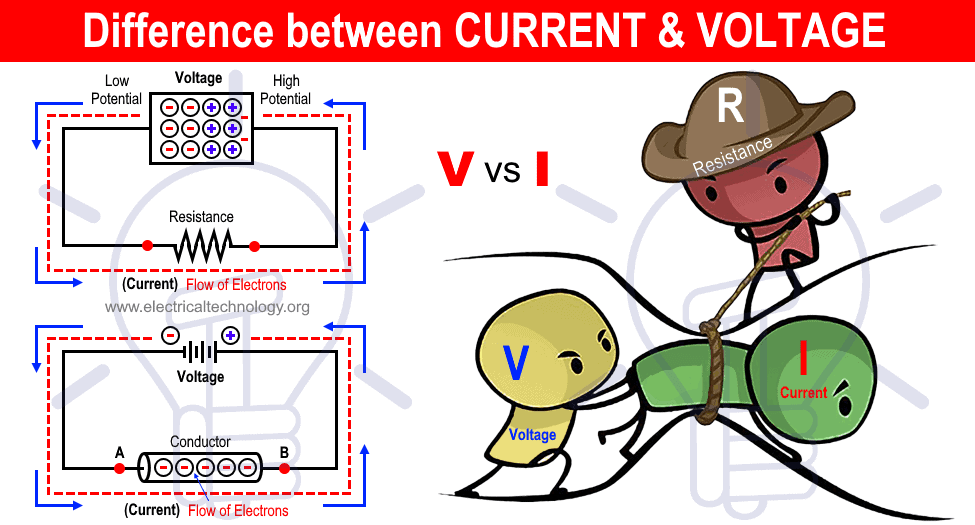
So, volts (pressure) and current (flow) work together to deliver power. Voltage provides the push, and current is the flow of electricity being pushed. A higher voltage can drive more current, but it's the amount of current that determines how much work can be done. They're like a dynamic duo, a power couple, the peanut butter and jelly of the electrical world! You need both to make things happen!
Think of it like this: you want to light up a really bright lightbulb. You need enough voltage to get the electricity flowing and enough current to make the bulb shine brightly. If you have high voltage but low current, the bulb might barely flicker. If you have high current but low voltage, nothing might happen at all!
Hopefully, this demystifies the terms! Now you can impress your friends with your newfound electrical knowledge. Just remember: volts are the pressure, and current is the flow. And together, they power the world (or at least your phone)!