What Is The Difference Between Typhoon And Hurricane
Ever watched a weather report and heard the words "hurricane" and "typhoon" tossed around and wondered, "Wait, are those the same thing?" You're not alone! It's a common question, and surprisingly interesting once you dig into it. Knowing the difference isn't just trivia; it can actually be useful, especially if you have family overseas or just want to impress your friends with your weather smarts!
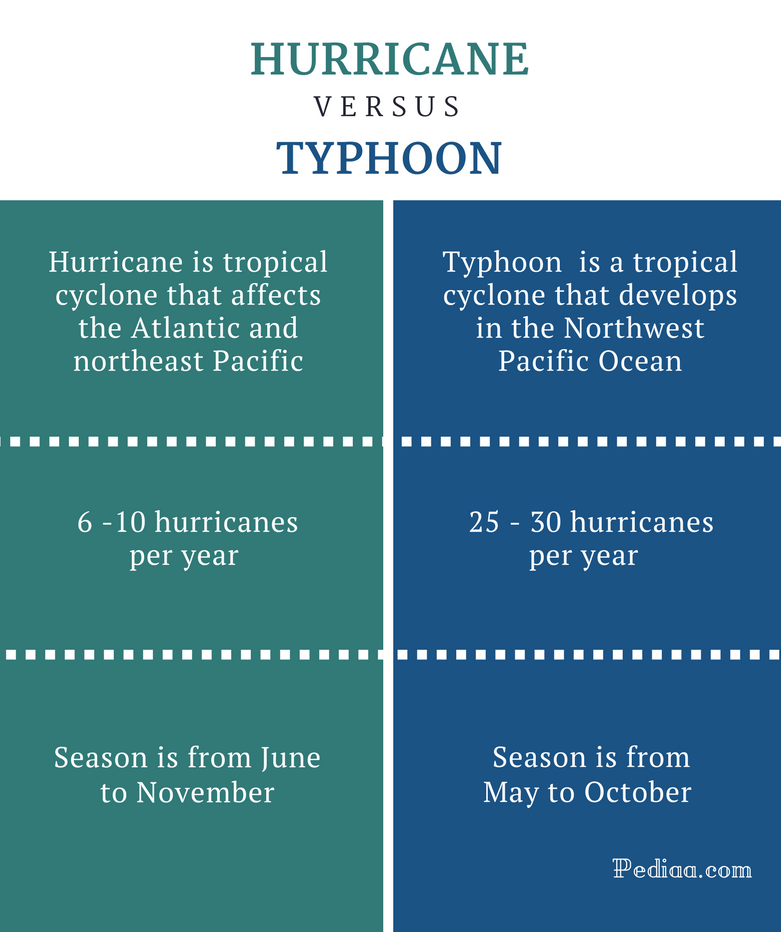
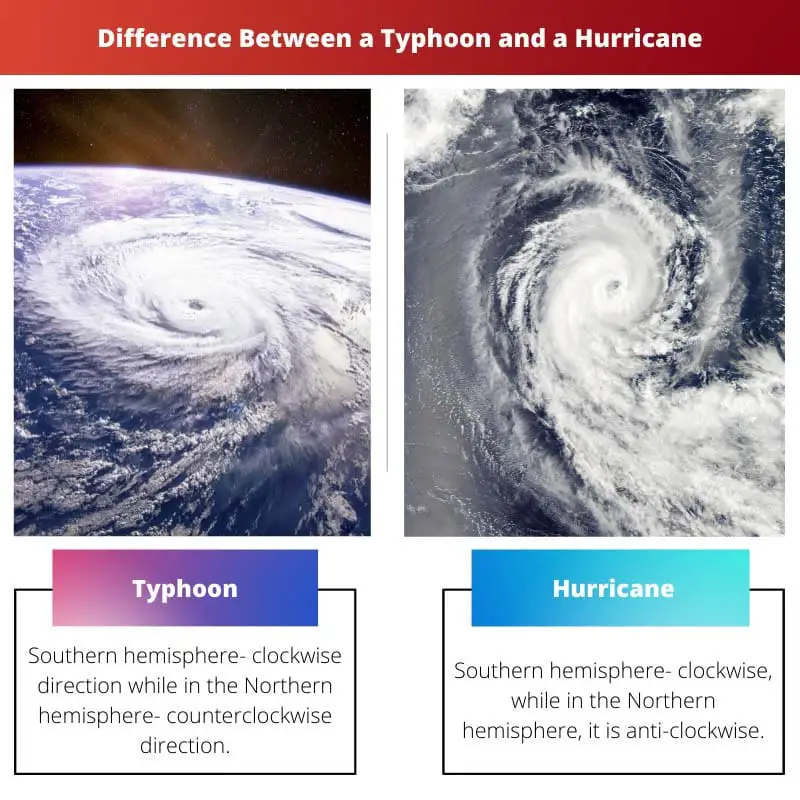
So, what's the deal? Simply put, hurricanes and typhoons are the same type of storm: a powerful, rotating tropical cyclone. The only difference is where they occur. Think of it like this: it's all soda, but you might call it "pop" in the Midwest or "coke" in the South. Same drink, different name depending on location.
For beginners, understanding this difference means you're no longer scratching your head when you hear about a typhoon hitting Japan but a hurricane battering Florida. You now know they're both intensely strong storms with the potential to cause serious damage. For families, especially those with relatives living in coastal regions around the world, this knowledge helps you better understand news reports and potential risks. And for weather hobbyists (or just curious people!), it’s a fun fact to have in your back pocket, demonstrating a deeper understanding of global weather patterns.
Must Read
Here's the geographical breakdown: we call them hurricanes when these storms form over the North Atlantic Ocean, the Central North Pacific Ocean, and the eastern North Pacific Ocean. Think the Caribbean, the Gulf of Mexico, and the eastern coast of the United States. When these storms brew in the Northwest Pacific Ocean, specifically in regions like Japan, the Philippines, and China, they're called typhoons. You might also hear the term "cyclone" used. This refers to the same type of storm but occurring in the South Pacific and Indian Ocean regions, affecting areas like Australia and India.
These storms have different naming conventions too! Hurricane names are predetermined and rotate annually, while typhoon names are often provided by various countries in the region and can reflect local culture and language. The power of these storms is categorized using scales like the Saffir-Simpson Hurricane Wind Scale and the Enhanced Fujita Scale for tornadoes (which, while related to severe weather, are a different phenomenon altogether!). But remember, no matter what it's called, a storm's intensity and potential impact are what truly matter.

Want to learn more? A simple way to get started is to follow reputable weather organizations like the National Hurricane Center (NHC) or the Joint Typhoon Warning Center (JTWC). They offer detailed information, forecasts, and educational resources. Another great tip: try comparing weather reports from different parts of the world during hurricane/typhoon season. Pay attention to the terminology used and how the storm's impact is described. You'll quickly pick up the nuances.
So, next time you hear about a hurricane or a typhoon, remember it's all part of the same fascinating and powerful weather phenomenon. Understanding the difference brings you one step closer to appreciating the complexity and beauty of our planet's weather systems. It's more than just trivia; it's a connection to the world around us!