What Is The Difference Between Plasma And Gas
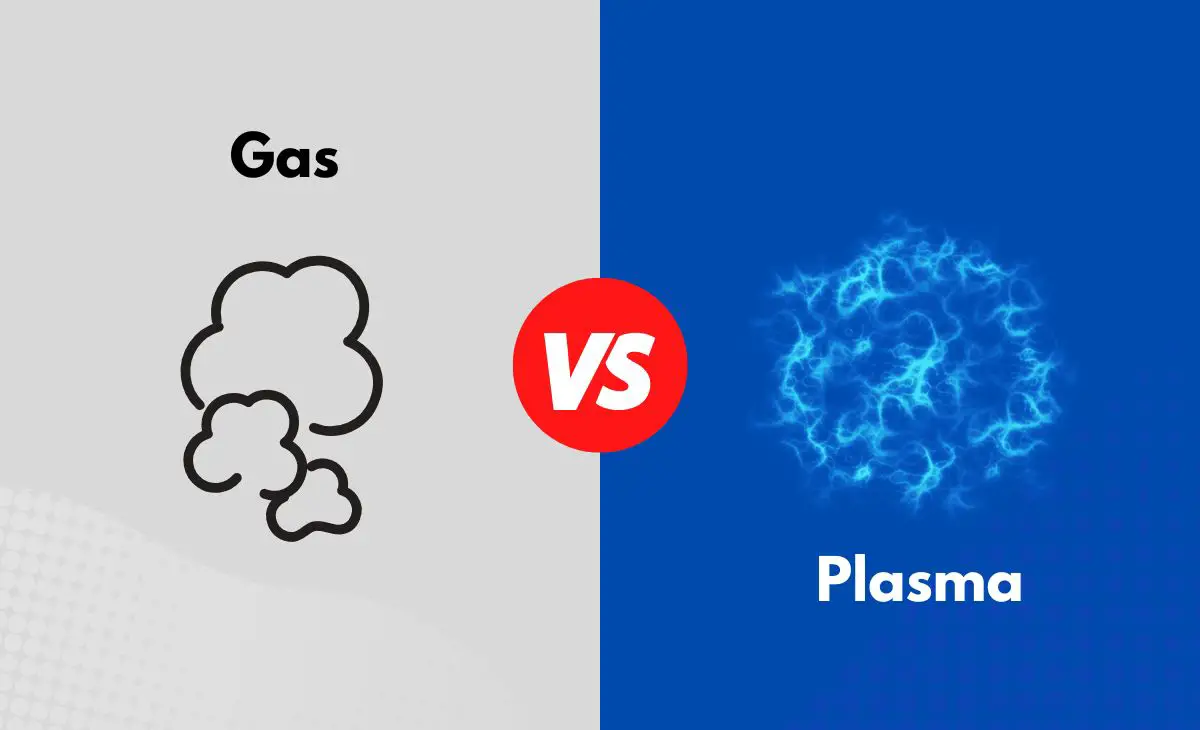
Hey there, science enthusiast! Ever been chilling, maybe gazing at the stars (or a neon sign – equally valid!), and wondered, "What actually is this stuff made of?" We often hear about solids, liquids, and gases, but there's another state of matter out there that's often lurking in the shadows: Plasma. Let's dive in and see how it's different from plain old gas!
Gas: The Relaxed State
Think of gas like a bunch of energetic teenagers at a party. They're bouncing around, bumping into each other, generally having a good time, but mostly independent. Gas molecules, like oxygen (O2) or nitrogen (N2), are free to move around and aren't really attached to each other. They're not super organized; they just fill whatever space they're given. Pretty chill, right?
Got a balloon? That's gas doing its thing! They're zipping around inside, bumping into the walls of the balloon and that's what keeps it inflated. Reduce the temperature, and they slow down – maybe become less rowdy teenagers and more like… well, slightly less rowdy teenagers. But still independent!
Must Read
Plasma: Gas Gone Wild!
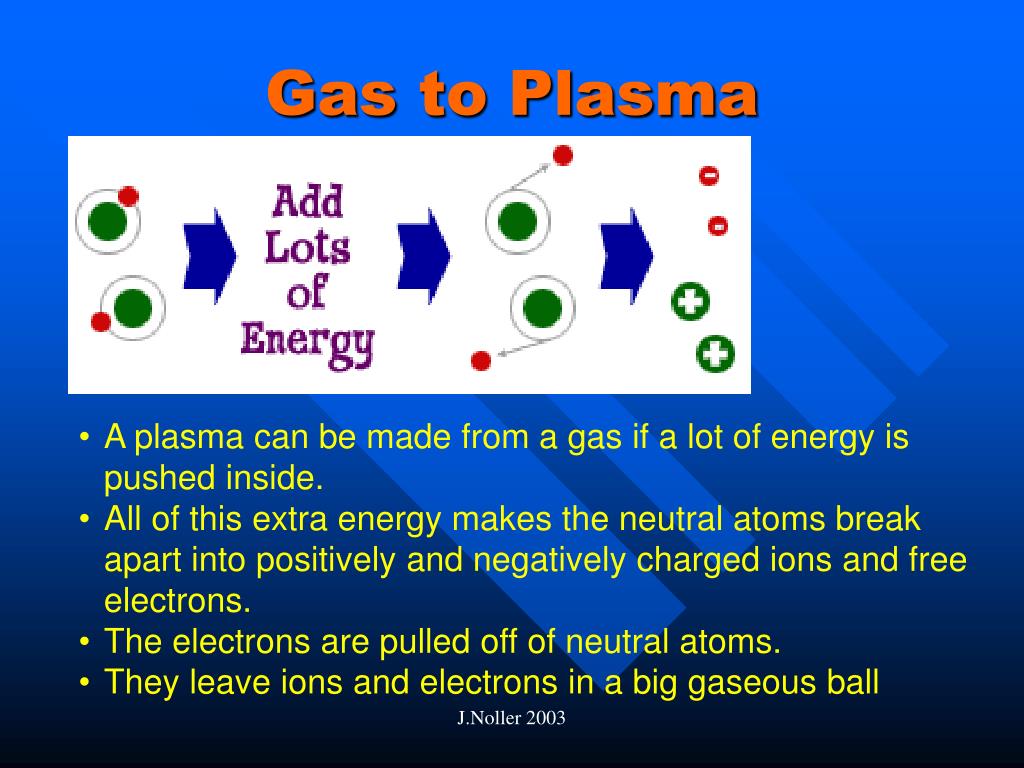
Now, imagine those teenagers at the party… but someone cranked up the music really loud. And maybe added some flashing lights. They're even more energetic! That’s essentially what happens when you turn a gas into a plasma. You add a LOT of energy, like by heating it to crazy temperatures (we're talking thousands of degrees!) or blasting it with a strong electrical field.
This extreme energy causes the gas atoms to lose their electrons. Boom! We call this ionization. Now you've got a mix of positively charged ions (the atoms that lost their electrons) and negatively charged electrons zooming around together. It’s like a wild, electrically charged soup!
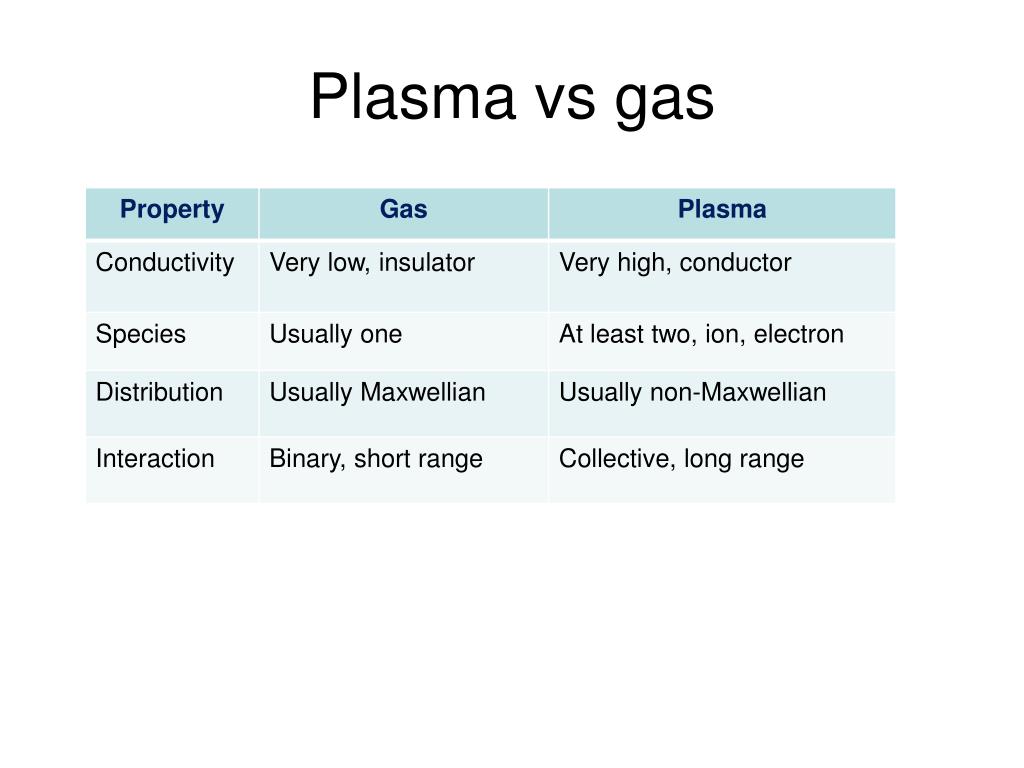
So, to recap, the key difference is this: a gas is made of neutral atoms or molecules, while plasma is made of a soup of charged particles (ions and electrons). They both like to fill the space they're in, but plasma does it with a whole lot more oomph.
Plasma in Action (and Where to Find It)
Okay, so plasma sounds pretty intense. But where do we actually see it? You might be surprised! That dazzling lightning strike? Plasma! The glowing neon sign outside your favorite pizza place? Plasma! The surface of the Sun (and all other stars, for that matter)? Yep, almost entirely plasma!
Even closer to home, plasma is used in things like plasma TVs (though they're less common now), welding torches, and some types of medical equipment. It's a fascinating and incredibly versatile state of matter. Who knew, right?

The Awesome Properties of Plasma
Because plasma is made of charged particles, it interacts strongly with electric and magnetic fields. This opens up a whole bunch of cool possibilities! We can use magnetic fields to contain and control plasma, which is super important for things like fusion energy research (that's right, trying to create a mini-star on Earth!).
Another nifty thing about plasma is that it emits light. Think about those neon signs. Different gases emit different colors of light when they're turned into plasma. That's why you see all sorts of vibrant hues when you walk down a busy street at night. Science is beautiful!
So, What's the Takeaway?
The next time you see a flash of lightning or a neon sign, you'll know you're looking at plasma – a super-charged state of matter that's hotter and more energetic than gas. While gas is like a relaxed party, plasma is like that same party after someone spiked the punch with pure energy (metaphorically speaking, of course! Don't actually spike the punch with energy). It’s a wild, electrically charged, light-emitting extravaganza!
Isn't science awesome? Now you're armed with the knowledge to impress your friends and family at the next stargazing event. "Oh, that Sun? Yeah, it's basically a giant ball of plasma. No big deal." Watch their jaws drop!
Keep exploring, keep questioning, and keep learning! The universe is full of amazing things just waiting to be discovered. And remember, even the smallest spark of curiosity can ignite a lifelong passion for science. Now go forth and be brilliant!