
What Is The Difference Between Oil And Crude Oil
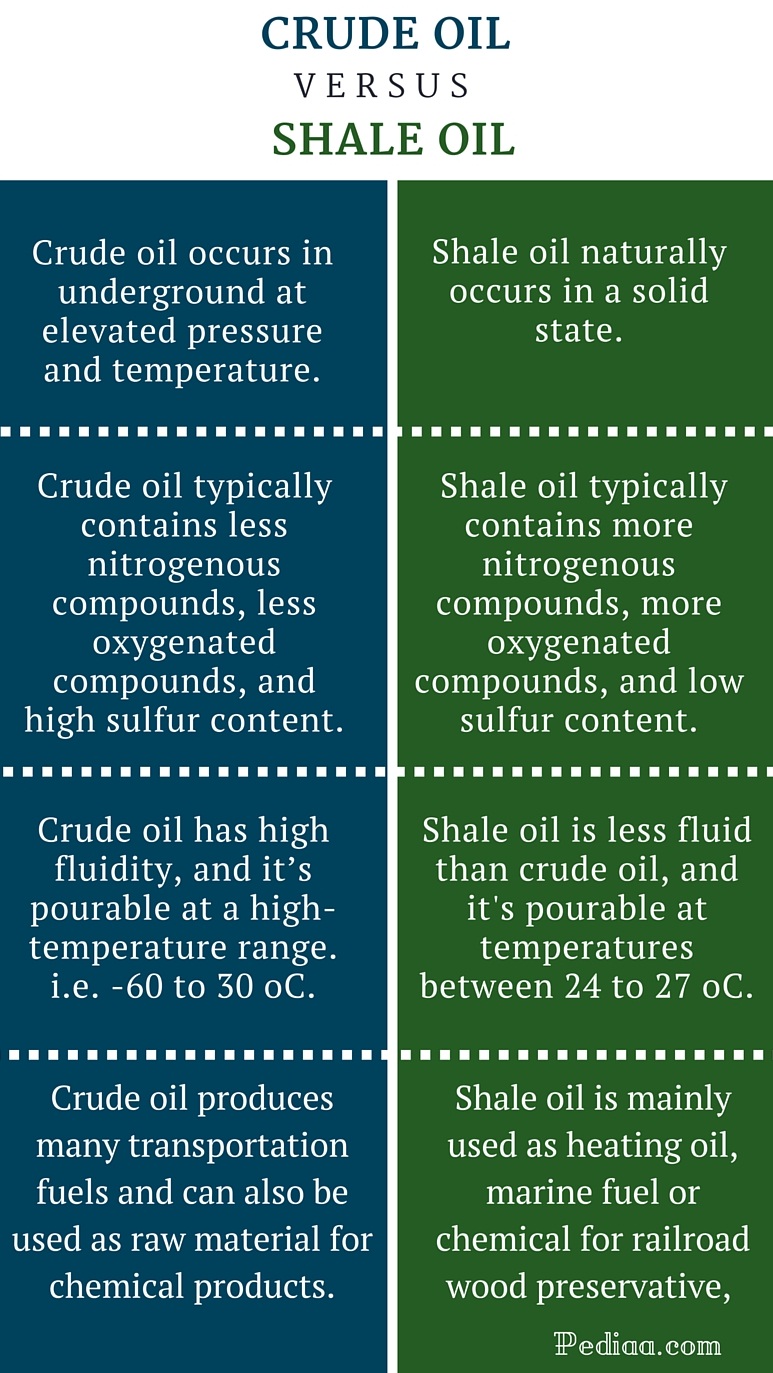
Ever filled up your car and thought, "Where did this magical juice even COME from?" You're probably thinking about oil, the stuff that keeps our engines humming and our world running. But what if I told you the oil we use is actually a refined version of something a little…wilder? Let’s dive in, shall we?
Crude Oil: The Earth's Gooey Surprise
Imagine the Earth as a giant layered cake. Deep down inside, that cake holds a fascinating secret ingredient: crude oil. Think of it as the "raw" version of oil, like unbaked cookie dough – potentially delicious, but not quite ready to eat.
This gooey, black or brown liquid is a complex mix of hydrocarbons, which are basically chains of carbon and hydrogen atoms. It’s the result of millions of years of compressed and cooked organic matter, like tiny plants and animals that lived long, long ago. Picture a prehistoric soup slowly simmering underground!
Must Read
Finding it is like a treasure hunt, requiring geologists and engineers to use sophisticated methods to locate underground reservoirs. Once found, it's extracted from the earth using wells and pumps. It's a bit like sticking a straw into the Earth’s milkshake.
But here's the thing: you can't just pour crude oil into your car. Well, you could, but it wouldn't be a pretty sight (or sound!). That’s where refining comes in.
Refining: Turning Goo into Gold (Liquid Gold, That Is)
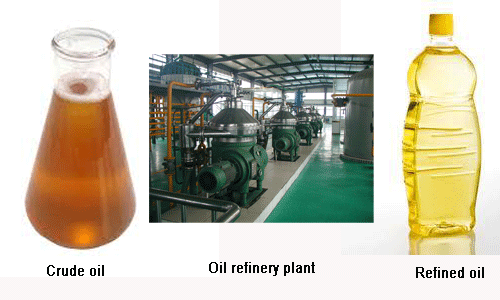
Think of refining as the ultimate makeover for crude oil. It’s like sending it to a spa day, where it gets all cleaned up and transformed into something useful and desirable. This process takes place in massive facilities called refineries.
The main refining process is distillation. It's basically heating up the crude oil until it vaporizes. As the vapor cools, different components condense at different temperatures. It’s like separating out all the ingredients in that prehistoric soup!
This process allows us to separate crude oil into various products, each with its own specific use. It’s like magic but with chemistry.

The Many Faces of Refined Oil
Gasoline, jet fuel, diesel fuel, and even the plastics that make up our everyday objects all come from refined crude oil. It’s everywhere! Even the asphalt used to pave our roads comes from this magical transformation.
The possibilities are endless! It's a testament to human ingenuity that we can take something as raw and complex as crude oil and turn it into so many useful things. Next time you're driving, remember that journey the oil took from deep underground to your gas tank.
Refining also involves removing impurities like sulfur, which can cause pollution. This is a crucial step in making sure the oil we use is as environmentally friendly as possible. It's like giving the Earth a thank-you note for providing this valuable resource.
So, What's the Big Difference?
Simply put, crude oil is the raw, unprocessed stuff found underground. It’s a complex mixture of hydrocarbons. Refined oil is what you get after crude oil undergoes processing to separate and purify its various components.
Think of it like this: crude oil is the tree trunk, and refined oil products are the furniture, paper, and everything else we make from the wood. You wouldn't try to build a house directly from a tree trunk, would you?
One is a raw material, the other is a finished product. One is a chaotic mixture, the other is a carefully separated and purified substance.
A World Powered by Oil (and Crude Oil!)
Our modern world is incredibly dependent on both crude oil and refined oil products. From transportation to manufacturing to energy production, oil plays a vital role in nearly every aspect of our lives. But this dependency also raises important questions.
The environmental impact of oil extraction and use is a significant concern. We need to find ways to use oil more efficiently and develop alternative energy sources to reduce our reliance on this finite resource. It’s a challenge we must face together.
The geopolitical implications of oil are also undeniable. Access to oil resources has shaped global politics for decades, leading to conflicts and alliances around the world. It is a topic that will continue to shape our future.
Beyond the Gas Tank: Surprising Uses of Oil
Did you know that oil is used to make a wide range of products beyond fuel? From cosmetics to clothing to medicines, oil-derived ingredients are found in countless items we use every day.

The plastics that make up our smartphones, computers, and even the toys our children play with are all derived from oil. It's a hidden ingredient in the modern world!
Even some of our foods contain oil-based additives. It's truly amazing (and maybe a little unsettling) how pervasive oil is in our lives. It just goes to show that oil is a lot more important than we think.
From the tires of our cars to the ink in our pens, oil plays a role in nearly every aspect of our modern existence. It’s the unsung hero (or villain, depending on your perspective) of the 21st century.
The Future of Oil: A Sustainable Path?
As we become increasingly aware of the environmental challenges associated with oil, the search for sustainable alternatives is becoming more urgent. Renewable energy sources like solar, wind, and geothermal are gaining traction as potential replacements for fossil fuels.
Electric vehicles are also becoming more popular, offering a cleaner and more efficient way to travel. The future of transportation may very well be electric.
But even as we transition to a more sustainable energy future, oil will likely continue to play a role in our lives for many years to come. Finding a balance between our energy needs and our environmental responsibilities is crucial. It requires innovation, collaboration, and a commitment to a better future for all.
The future may hold new technologies and strategies for cleaning up oil spills, reducing emissions, and responsibly managing our oil resources. It is an active field where everyone should pay attention to.
A Final Thought: Appreciating the Journey
Next time you fill up your car, take a moment to appreciate the incredible journey that fuel has taken. From the ancient organisms that formed crude oil millions of years ago to the complex refining processes that transform it into gasoline, it's a story of science, engineering, and human ingenuity.
It’s a reminder of the complex relationship between humans and the natural world. And a call to action to find more sustainable solutions for the future.
So, the next time someone asks you, "What's the difference between oil and crude oil?" You can confidently explain the transformative journey from Earth's gooey surprise to the fuels and materials that power our modern world. You are now the oil expert!