
What Is The Difference Between Latex And Rubber
Hey there! Ever wondered about latex and rubber? They seem like twins, right? But hold on! There's more than meets the eye. Let's dive into this sticky situation and find out what makes them unique.
What's the Deal with Rubber?
Okay, so rubber is the broader term. Think of it as the parent category. It's any material that can stretch and bounce back. Cool, huh?
Rubber can be natural or synthetic. Natural rubber comes from plants! Specifically, the Hevea brasiliensis tree. That's a mouthful!
Must Read
Think bouncy balls and car tires. Those bad boys are often made from rubber. It's tough stuff!
Did you know that rubber erasers used to be bread? Yep! Before rubber, people used bread to erase pencil marks. Weird, but true!
Latex: Rubber's Liquid Cousin
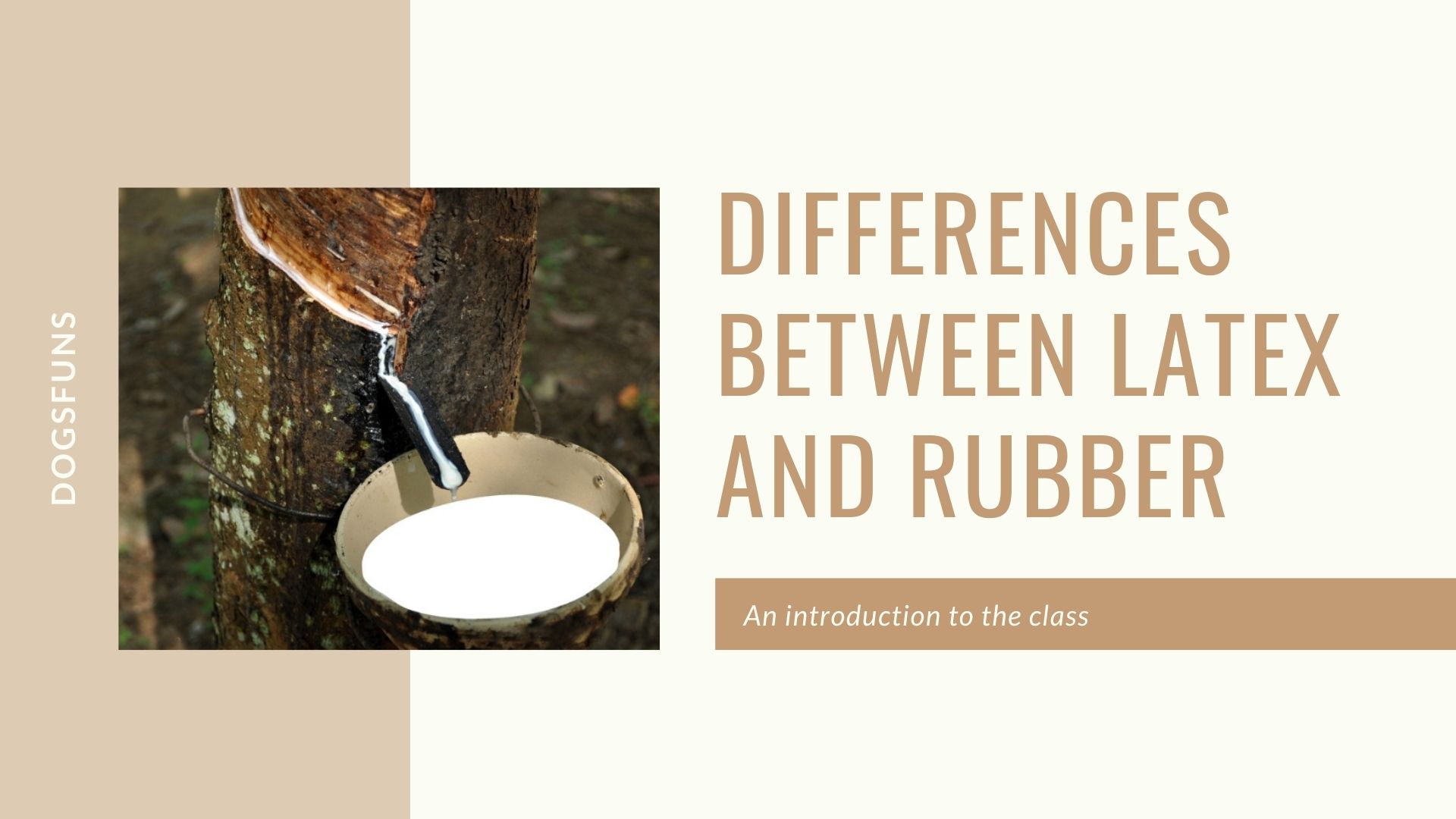
Latex, on the other hand, is a milky sap. It's the stuff harvested from the rubber tree (and some other plants too!). Think of it like the tree's blood, but way more useful.
Latex contains rubber particles. These particles are suspended in water. Pretty neat, huh?
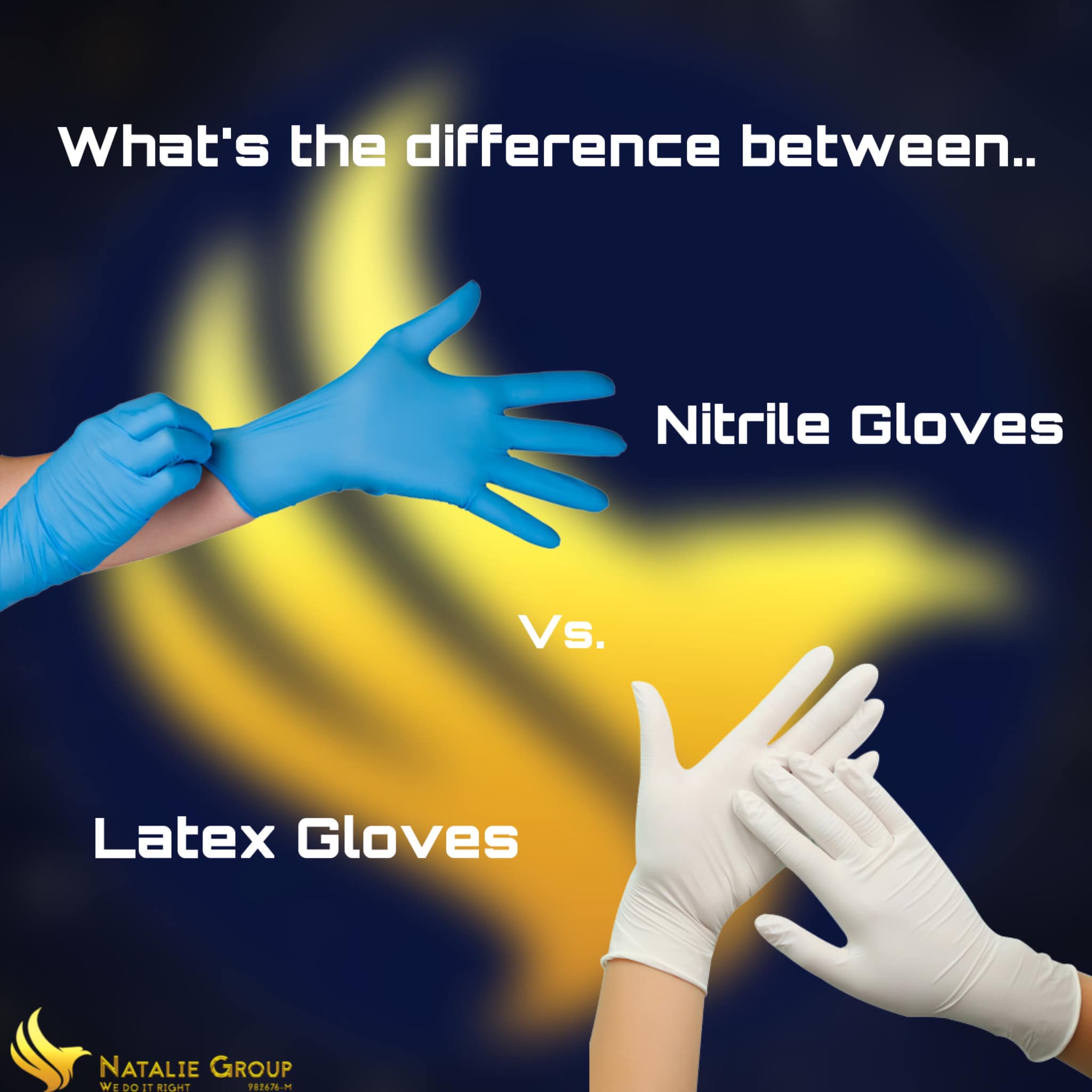
It's processed to create all sorts of things! Think gloves, balloons, and even some types of clothing. Ooh la la!
But heads up! Some people are allergic to latex. So, if you start sneezing around balloons, you might be one of them!
The Nitty-Gritty Differences
So, let's break it down. Rubber is the finished product. Latex is the raw material.
Think of it like this: flour is to cake as latex is to rubber products. See? Easy peasy!
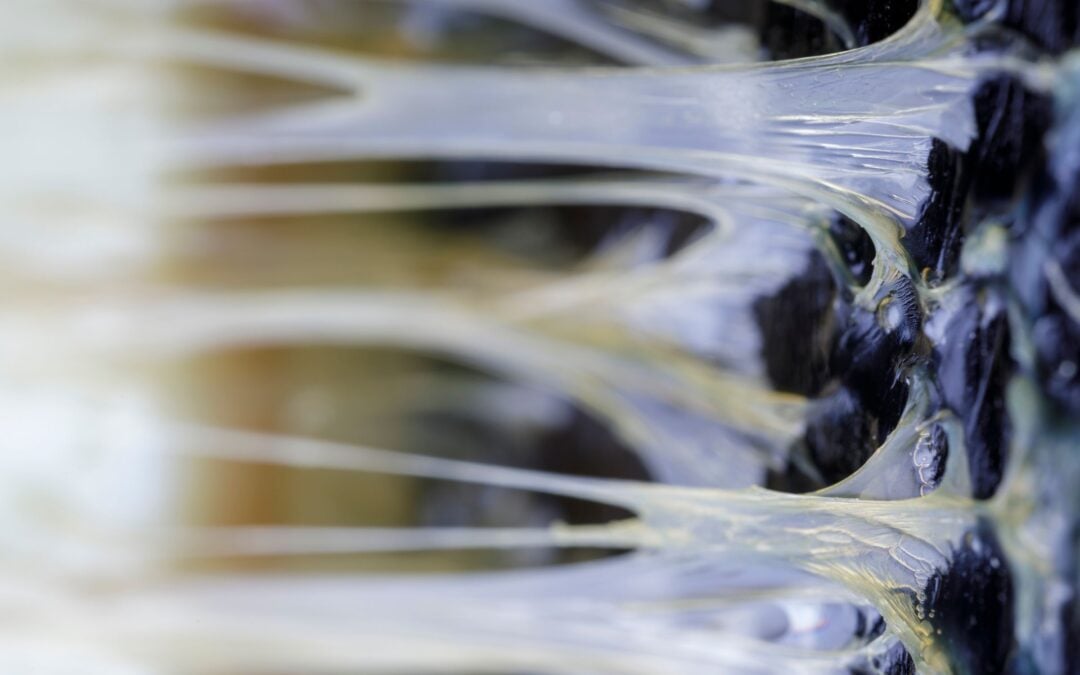
Latex is a liquid. Rubber is a solid (usually). One is drippy, the other is…well, not so drippy.
Natural rubber is derived from latex. Synthetic rubber is man-made. It's like the difference between a real diamond and a cubic zirconia. Both sparkly, but different origins!
From Tree to Tire: A Quick Journey
Here's a simplified peek at the process:
- Tap the rubber tree to get the latex. Think of it like milking a cow, but with trees!
- Process the latex. This might involve adding chemicals to stabilize it.
- Manufacture the rubber product. This could be anything from a rubber band to a wetsuit.
Boom! From tree to totally useful item. Magic!
Fun Facts to Drop at Parties
Want to impress your friends? Try these:
- The word "rubber" comes from its early use in rubbing out pencil marks! Clever, right?
- Charles Goodyear accidentally invented vulcanization! He dropped rubber mixed with sulfur on a hot stove. Serendipity! Vulcanization makes rubber stronger and more durable.
- During World War II, natural rubber was scarce! That led to a huge boom in synthetic rubber production. Necessity is the mother of invention!
Why Should You Care?
Well, rubber and latex are everywhere! They’re in your shoes, your car, your medical equipment. Understanding the basics is just…interesting!
Plus, it's a great conversation starter. Imagine casually dropping "Did you know latex is the milky sap of a tree?" at your next dinner party. Instant intellectual!
Knowing the difference can also help you make informed choices. Especially if you have a latex allergy!
In Conclusion: It's All About the Bounce
So, there you have it! Latex is the source, rubber is the outcome. They're related, but distinct.
Next time you see a bouncy ball or a rubber glove, you’ll know a little bit more about its journey. Pretty cool, right?
Now go forth and impress the world with your newfound knowledge of rubber and latex! You're practically a material science expert now!
And remember, knowledge is like rubber – the more you stretch it, the more it bounces back!