
What Is The Difference Between Kayak And Canoe
Ever found yourself gazing out at a tranquil lake, picturing yourself gliding across the water, powered only by your own two arms? Maybe you’ve even considered renting a boat, but then the question pops up: kayak or canoe? Understanding the difference between these two popular watercraft is more than just trivia – it's about choosing the right vessel for your adventure and enjoying the experience to the fullest! It's about safety, comfort, and ultimately, fun on the water.
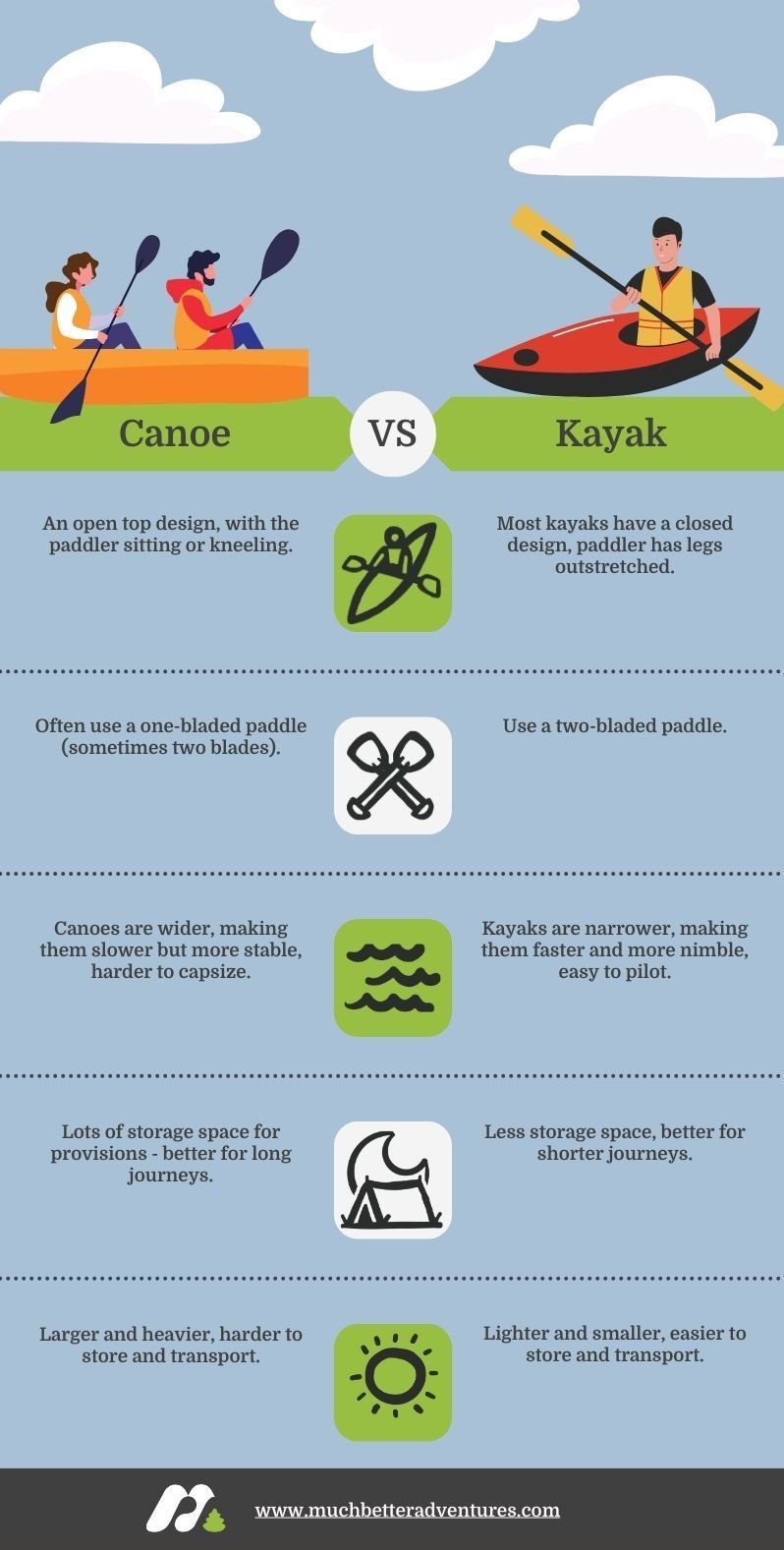
Both kayaks and canoes are designed for human-powered propulsion on water, typically using a paddle. They offer a fantastic way to connect with nature, get some exercise, and explore waterways from a unique perspective. But the similarities are where the descriptions begin, here are their main differences:
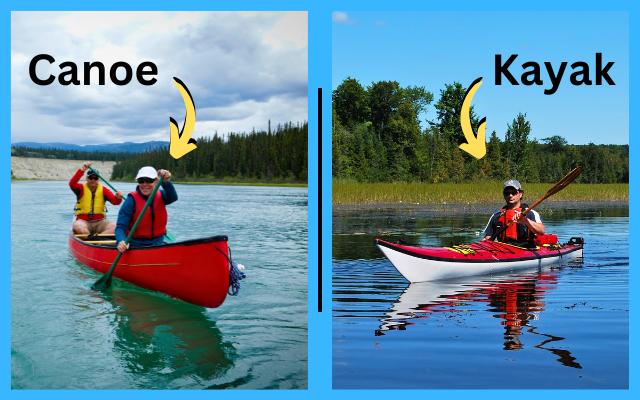
Kayaks are typically narrower and lower to the water than canoes. The paddler sits inside the kayak, with their legs extended forward, often using a double-bladed paddle. This means you alternate strokes on each side of the boat, providing a more efficient and balanced way to propel yourself through the water. Kayaks are often favored for their speed and maneuverability, especially in windy conditions or choppy waters. They're excellent for solo adventures, exploring narrow waterways, or even tackling ocean waves.
Must Read
Canoes, on the other hand, are usually wider and sit higher in the water. The paddler typically kneels or sits on a raised seat inside the canoe, using a single-bladed paddle. You paddle on one side of the canoe, then switch to the other to maintain direction. Canoes are known for their stability and carrying capacity, making them ideal for family outings, fishing trips, or carrying gear for multi-day expeditions. Their spaciousness allows for greater comfort and the ability to bring along extra supplies.
The benefits of learning about kayaks and canoes extend beyond recreational use. In education, they can be used to teach teamwork, physics (understanding buoyancy and drag), and environmental science. Students might learn about local ecosystems while paddling through a nearby river. In daily life, kayaking or canoeing can be a fantastic form of exercise, a stress reliever, or a way to connect with friends and family. Imagine a weekend camping trip where you paddle to a secluded spot only accessible by water!
So, how can you explore the world of kayaks and canoes? Start simple! Many local parks and recreation departments offer introductory classes or rentals. Look for guided tours that provide basic instruction and safety tips. Consider borrowing a boat from a friend or family member to get a feel for it. Start on calm, flat water like a lake or slow-moving river. And most importantly, always wear a properly fitted personal flotation device (PFD) – your life jacket! Take your time, enjoy the scenery, and remember that the best boat is the one that suits your needs and preferences.
Whether you choose the sleek agility of a kayak or the stable versatility of a canoe, getting out on the water is an experience you won't soon forget. Now, go find your adventure!


