What Is The Difference Between Hurricane And Cyclone
John Stone
Ever wondered if that whirling dervish of a storm is a hurricane or a cyclone? They seem pretty similar, right? Giant swirling winds, torrential rain, and enough power to rearrange your backyard furniture. But, hold on to your hats! There's a simple secret to telling these titans apart. It’s all about location, location, location!
Spinning Stories: Same Storm, Different Names
Think of it like this: "Hurricane" and "Cyclone" are basically the same superhero, just rocking different costumes depending on where they're performing their, ahem, "weather-altering" feats. Both are tropical cyclones. That’s the scientific term for these rotating storm systems.
Here's the scoop. If this mighty storm is brewing in the North Atlantic Ocean or the Northeast Pacific Ocean, we call it a hurricane. Think Florida getting whacked, or some seriously rough seas off the coast of Mexico. You got it – that's Hurricane territory!
Now, swing around to the Indian Ocean and the South Pacific. There, you’ll find the same storm, same energy, but now it's called a cyclone. So, when you hear about devastation in India or Australia, chances are it's courtesy of a cyclone. Different name, same destructive dance!
It's a bit like ordering soda. In some places, you ask for "pop." In others, it's "coke," regardless of the brand. Same fizzy goodness, just a regional dialect.
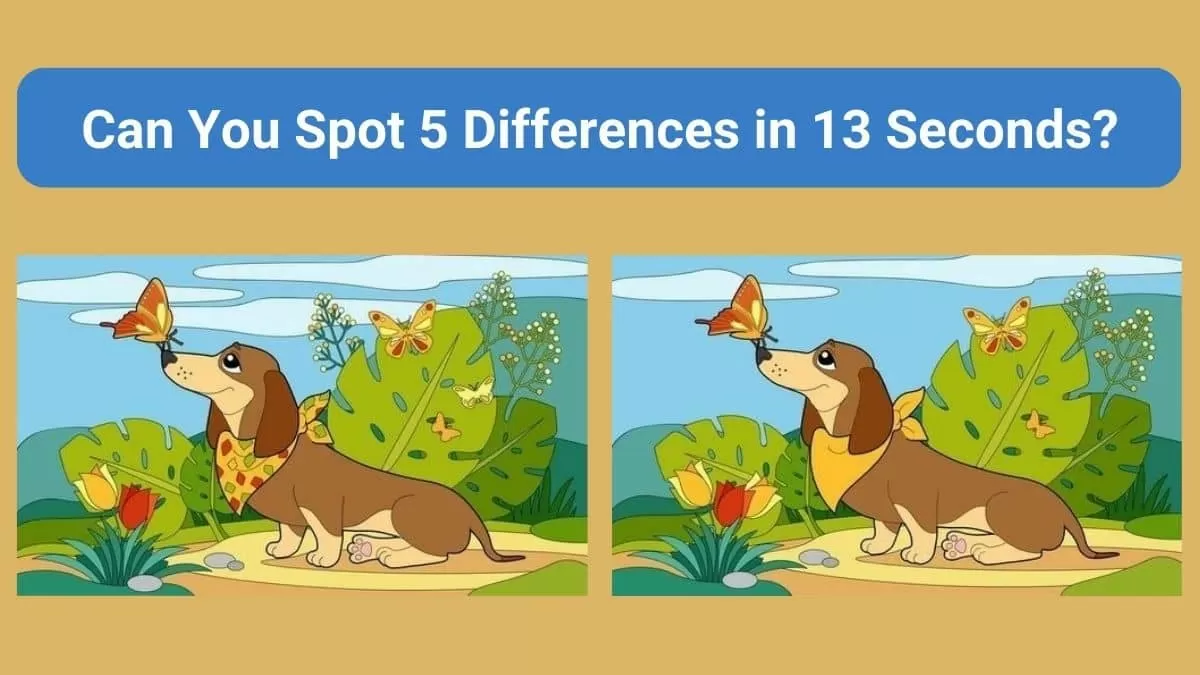
Spot The Difference: Can you spot 5 differences between the two images
So, What Makes Them Special?
Okay, let's be real. These storms are terrifying. But let's also admit they are fascinating! Imagine the sheer power needed to whip up winds that can tear roofs off houses and send boats flying. We are talking about a force of nature that can reshape coastlines.
And that's what makes them special. They remind us of the incredible power that the planet possesses. They are a humbling display of nature's raw energy. It's like watching a superhero movie, but instead of CGI, you're seeing the real deal (from a safe distance, of course!).
These storms are also important drivers of weather patterns. They can bring much-needed rain to drought-stricken areas (though, admittedly, sometimes a little too much rain). They help regulate global temperatures and redistribute heat around the planet.
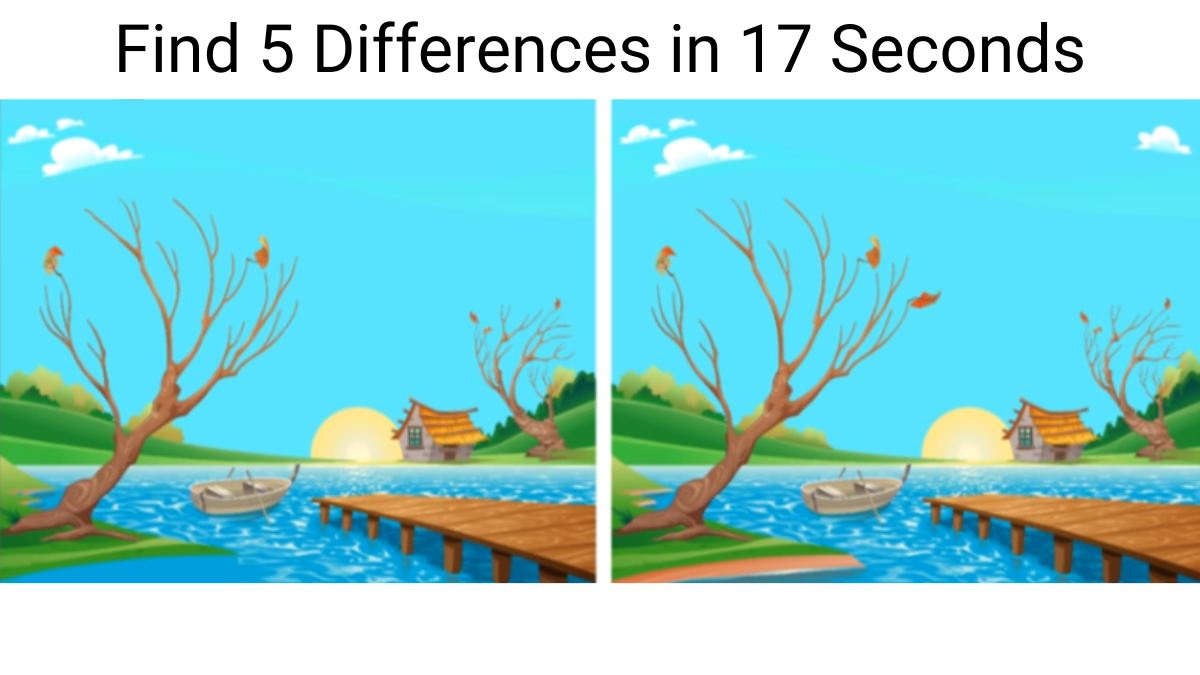
Spot The Difference: Can you Spot 5 Differences in 17 seconds?
Don't Forget the Typhoons!
Now, to complicate things just a tad, there's another name in the mix: typhoon. These are just hurricanes by another name, occurring in the Northwest Pacific Ocean. So, when you hear about a big storm hitting Japan or the Philippines, it's likely a typhoon.
Basically:
North Atlantic & Northeast Pacific = Hurricane
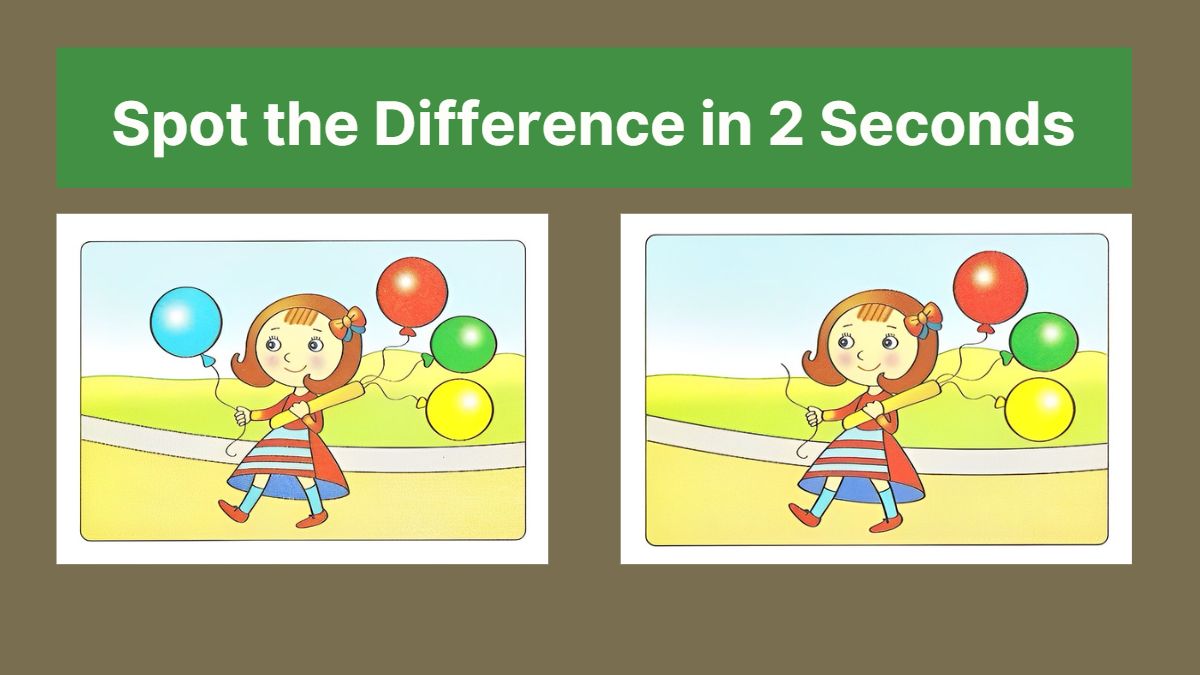
Spot The Difference: Can you spot the difference between the two images
Indian Ocean & South Pacific = Cyclone
Northwest Pacific = Typhoon
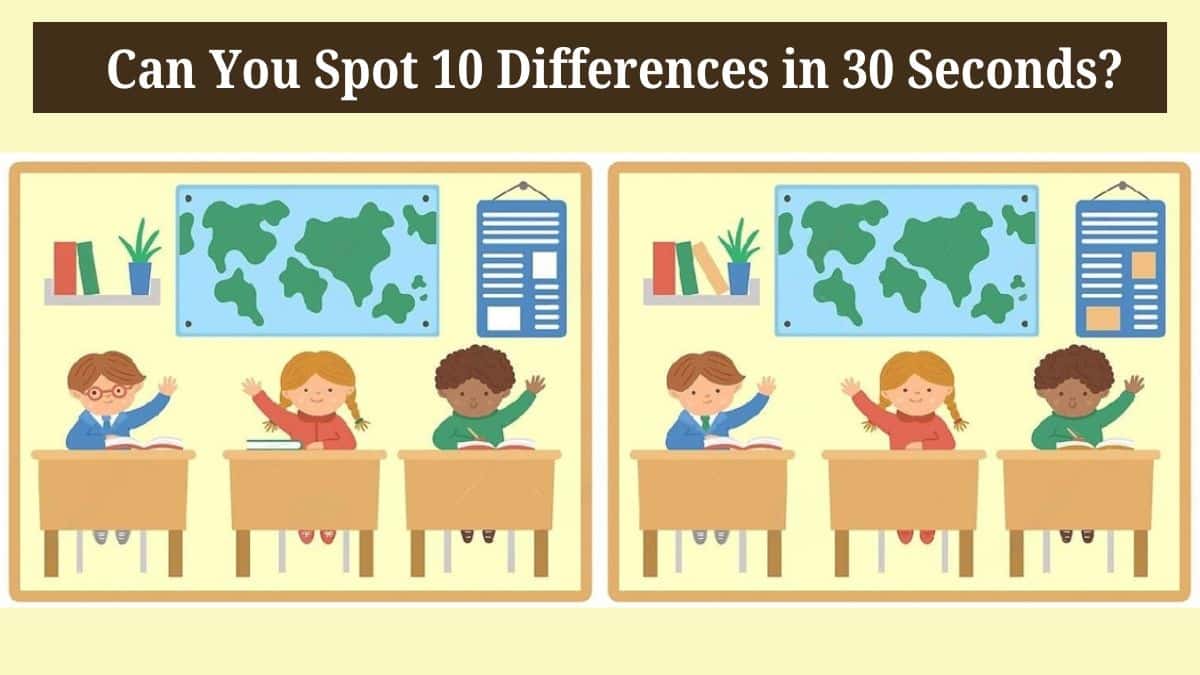
Spot The Difference: Can you spot 10 differences between the two
Staying Safe and Staying Informed
Alright, enough about the fascinating (and slightly terrifying) aspects of these storms. Let's talk safety. If you live in an area prone to hurricanes, cyclones, or typhoons, it's crucial to stay informed. Pay attention to weather forecasts, heed warnings from local authorities, and have a plan in place. A little preparation can go a long way in keeping you and your loved ones safe.
So, next time you hear about a massive storm brewing somewhere in the world, you'll know exactly what to call it, and you can impress your friends with your newfound knowledge of tropical cyclone nomenclature. Who knew weather could be so entertaining (and educational)?
And remember, while these storms can be destructive, they are also a reminder of the incredible power and complexity of our planet. They are a force to be reckoned with, and understanding them is key to staying safe and respecting the awesome power of nature. Now go check out some satellite images of swirling storm clouds. It's truly a sight to behold!