
What Is The Difference Between Crude Oil And Oil
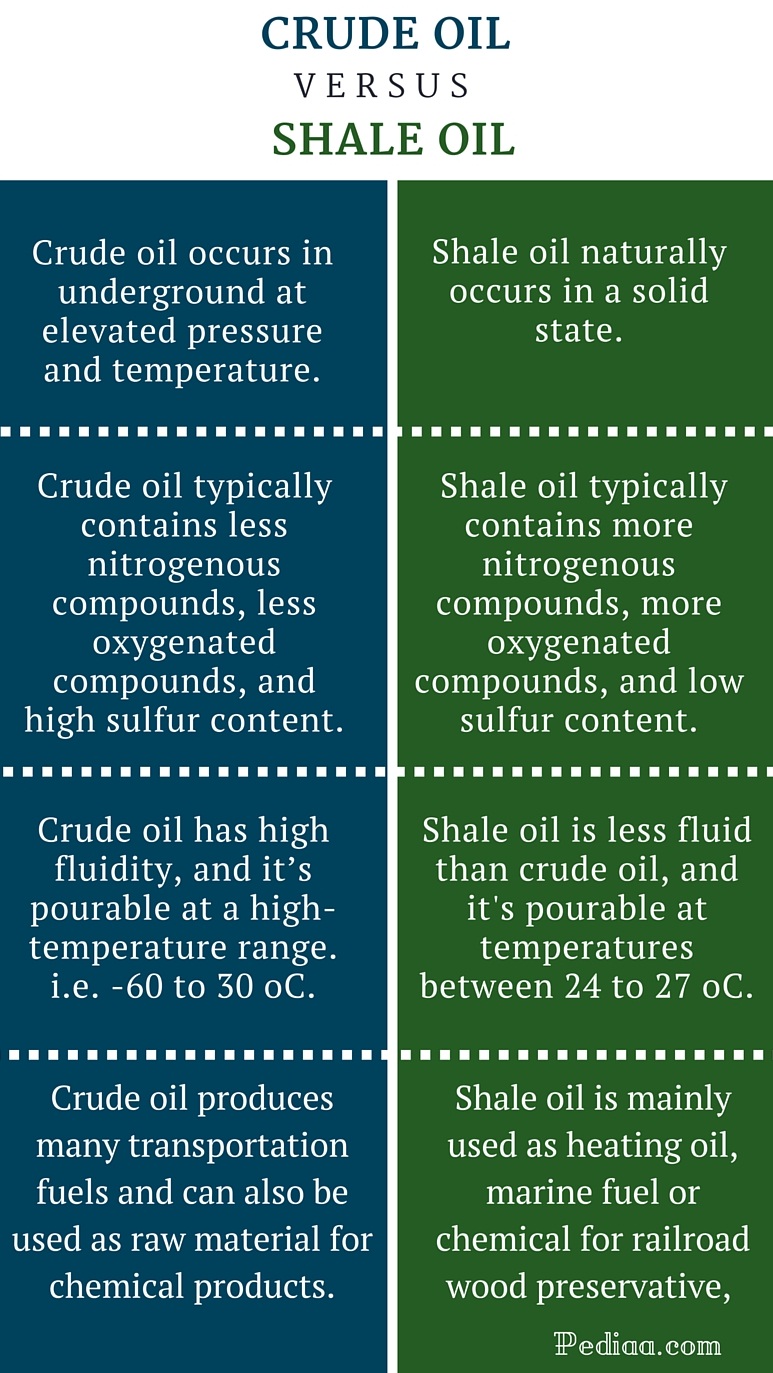
Okay, let's talk about oil. Not the kind you use to fry up some crispy chicken (though, arguably, that's just as important!), but the stuff that powers our cars and… well, pretty much everything. Ever wondered what the difference is between "crude oil" and just plain ol' "oil"? You're not alone! It's like the difference between a freshly picked, muddy carrot and the perfectly peeled, ready-to-eat snack version. Both carrots, both good (in their own way), but vastly different.
Think of crude oil as that muddy carrot. It's straight from the ground, a complex cocktail of hydrocarbons – basically, ancient plant and animal goo that's been squished and cooked by the earth for millions of years. It’s black, gooey, and smells... well, let's just say it's not something you'd want to slather on your toast. Imagine finding a time capsule filled with prehistoric swamp creatures, then turning that into a liquid. Yuck!
Now, oil (the refined stuff) is that peeled, ready-to-eat carrot. It's been through a process called refining, where it's heated and separated into different components. These components become things like gasoline for your car, jet fuel for airplanes, diesel for trucks, and even the plastic that makes up your phone case. It's the refined version of crude oil that we use in our everyday lives.
Must Read
So, crude oil is the raw ingredient, the potential energy waiting to be unlocked. It's like that giant bag of LEGOs – full of possibilities, but a bit overwhelming in its raw form. You could try to build a spaceship straight from the bag, but you’d probably end up with a lumpy, misshapen mess. Oil, on the other hand, is like the spaceship you built using the instructions – functional, specific, and ready to go!
The Refining Process: Like a High-Tech Kitchen
The refining process is where the magic happens. Think of it as a super-complicated, industrial-sized kitchen. The "chefs" (engineers and technicians) take the crude oil (our raw ingredients) and put it through a process called fractional distillation. This involves heating the crude oil and separating it into different fractions based on their boiling points.

Imagine a layered cake. The top layer might be like gasoline (light and easily evaporated), the middle layer like kerosene (used for jet fuel), and the bottom layer like heavy fuel oil (used for ships and power plants). Each layer is "cut" off at a different temperature during the distillation process.
This process allows us to extract the most valuable components from the crude oil and turn them into useful products. It's like separating the gold nuggets from the riverbed gravel. Sure, the gravel might have some interesting rocks in it, but the gold is what we're really after!
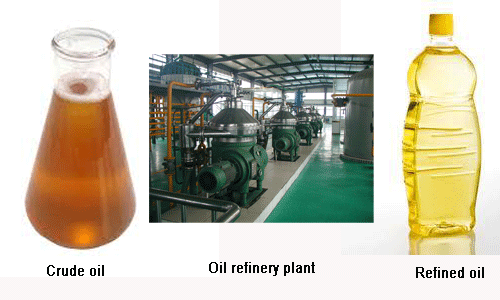
Why Can't We Just Use Crude Oil Directly?
Good question! Trying to use crude oil directly would be like trying to bake a cake with the raw ingredients still in their packaging. You wouldn't pour the flour straight from the bag into your oven, would you? Crude oil is a mixture of all sorts of things, some of which are corrosive, unstable, or simply not useful for powering our machines. It would gunk up your engine faster than you can say "oil change," and release all sorts of nasty pollutants into the atmosphere.
Refining cleans up the crude oil, removes impurities, and isolates the specific components we need. It's like filtering muddy water to get clean drinking water. Essential!
In a Nutshell…
So, to recap:
- Crude oil: The raw, unrefined stuff straight from the earth. Think muddy carrots or a bag of mixed LEGOs.
- Oil: The refined, processed stuff we use in our daily lives. Think peeled carrots or a spaceship built from LEGOs.
Ultimately, understanding the difference between crude oil and oil helps us appreciate the complex processes that go into powering our modern world. It's not just about digging stuff up; it's about transforming raw materials into the things that keep us moving, connected, and, let's face it, entertained. And who knows, maybe this knowledge will even impress your friends at your next barbecue – although, maybe stick to talking about the BBQ sauce unless you really want to delve into the chemistry of hydrocarbons!
