
What Is The Difference Between Co2 And Co

Alright, settle in, future science whiz! Have you ever found yourself in a conversation, maybe about the environment, or maybe just admiring a soda's fizz, and heard terms like CO2 and CO thrown around? And then, a tiny voice in your head whispers, "Are those the same thing? Or is one just missing a number?"
Well, congratulations, you've stumbled upon one of life's little mysteries that's actually super fascinating, surprisingly important, and (dare I say it?) totally fun to unravel! Let's dive in and meet our two main characters.
Meet Our Contenders: CO2! (The Party Animal!)
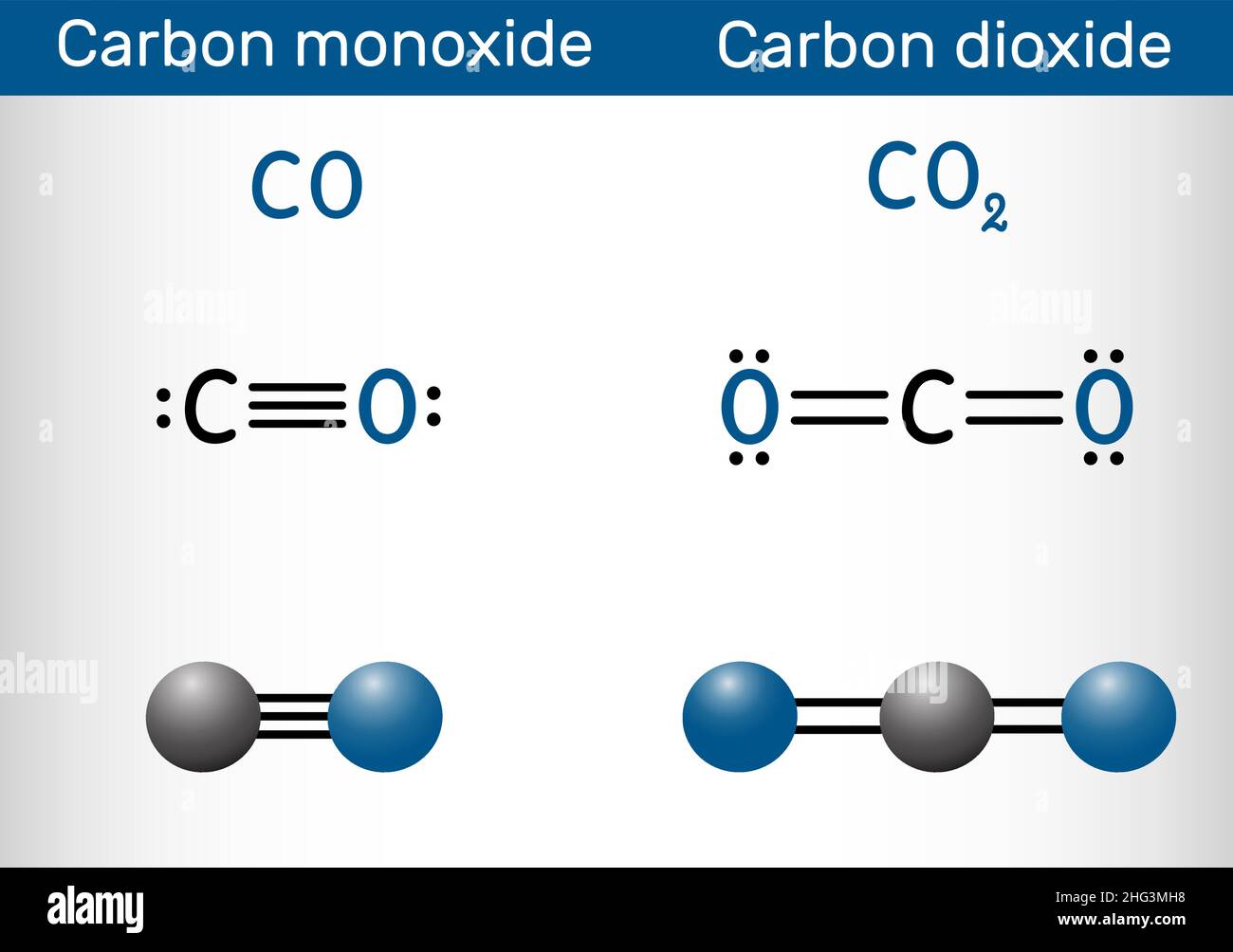
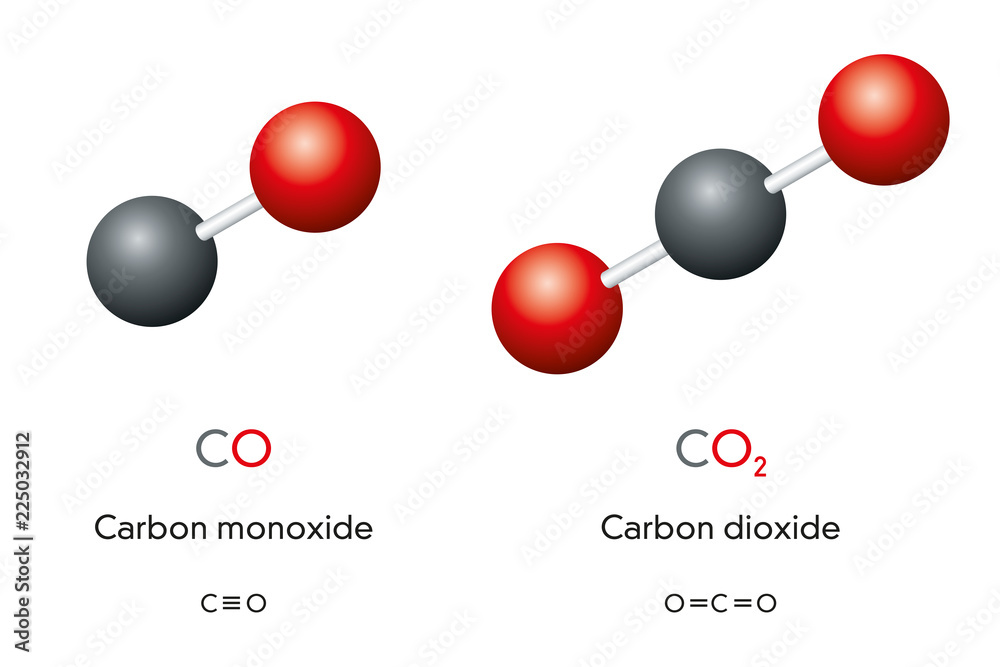
First up, we have CO2. This is short for Carbon Dioxide. See that little "2" at the end? That means it's made up of one carbon atom and, you guessed it, two oxygen atoms. Think of it like a little molecular dance trio: one carbon atom in the middle, with an oxygen atom on each side, holding hands. Adorable, right?
Must Read
CO2 is a real superstar in our world. It's the gas we exhale every time we breathe out. Plants, our leafy green friends, absolutely adore it; it's their main ingredient for photosynthesis, turning sunlight into energy and giving us the oxygen we need. Talk about a give-and-take relationship!
It’s also the secret behind the delightful bubbles in your sparkling water, soda, and even that celebratory glass of champagne. Without CO2, life (and parties!) would be a lot flatter. It also plays a crucial role in our planet's atmosphere, acting like a cozy blanket that keeps Earth warm enough for life to thrive. Yes, it's a greenhouse gas, and understanding its balance is key to understanding our planet's climate.
And In This Corner: CO! (The Sneaky Soloist!)
Now, for our second contender: CO. This one is called Carbon Monoxide. Notice anything missing? Yep, that "2"! This molecule consists of one carbon atom and just one oxygen atom. It's a duo, a solo act if you will, not a trio.
And here's where things get serious, but don't worry, knowledge is power! Unlike its bubbly cousin, CO is not your friend. It's often called the "silent killer" because it’s a gas that is completely odorless, colorless, and tasteless. You can't see it, you can't smell it, and you certainly can't taste it, but it can be incredibly dangerous.
CO forms when things burn without enough oxygen – a process called incomplete combustion. Think of a poorly ventilated furnace, a car running in an enclosed garage, a gas stove, or a charcoal grill used indoors. When inhaled, CO is super sneaky: it latches onto the red blood cells in your body much more eagerly than oxygen does, essentially hogging all the spots and starving your body of the oxygen it desperately needs. Yikes!
Spot The Difference, Sherlock!
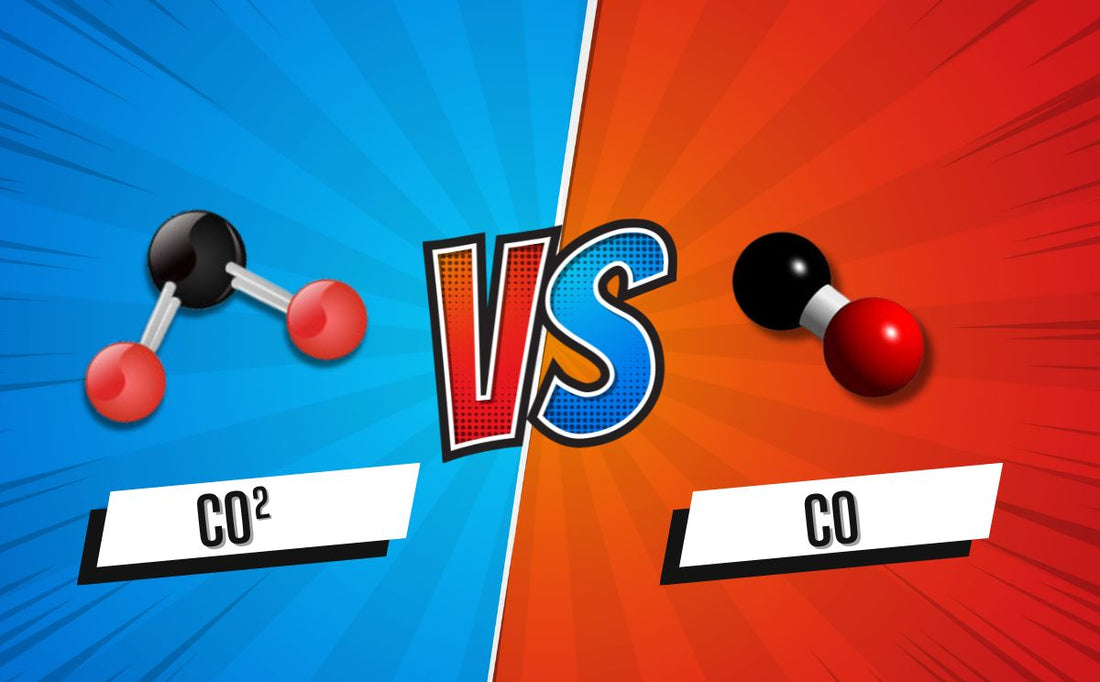
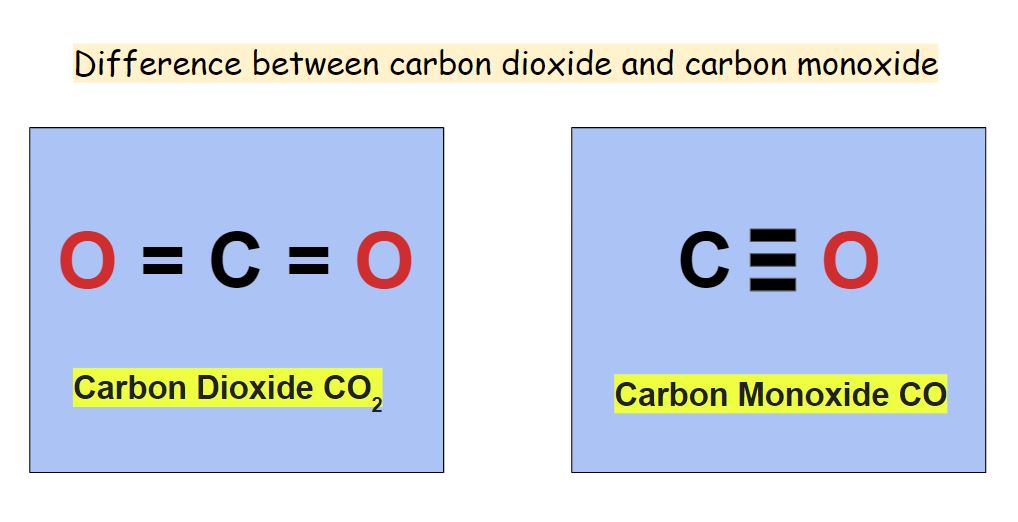
So, the big, blindingly obvious difference? It's all about that little number – the number of oxygen atoms!
- CO2 has two oxygen atoms (di-oxide).
- CO has just one oxygen atom (mon-oxide).
But the difference goes way beyond just the count. Their roles in the world are like night and day!
- CO2 is a natural, vital part of Earth's cycles, a plant's best friend, and the fizz in your drink.
- CO is a dangerous byproduct of burning, a silent threat that can be deadly if not detected.
Why Should You Care? (Besides Bragging Rights!)
"Okay," you might be thinking, "that's neat, but how does knowing this make my life more fun?" Ah, my friend, that's the beauty of it!
1. Be a Safety Superhero: Knowing about CO empowers you to protect yourself and your loved ones. Get a carbon monoxide detector (they're like tiny, vigilant guardians for your home!), ensure good ventilation, and never run combustion appliances indoors. Knowledge literally saves lives!
2. Understand Your World: When you hear about climate change, you now understand the fundamental molecule (CO2) at play. When you see plants thriving, you appreciate their CO2 lunch. You're no longer just passively observing; you're understanding the chemistry of everyday life!
3. Impress Your Friends: Next time someone casually mentions CO2, you can confidently explain the difference from CO. You'll sound smart, engaged, and ready to drop some cool science facts. Who doesn't love a bit of intellectual sparkle?
4. Fuel Your Curiosity: This is just the tip of the scientific iceberg! Once you start understanding simple distinctions like this, a whole world of discovery opens up. Chemistry isn't just for labs; it's happening all around you, all the time!
So, What's the Big Takeaway?
It turns out, one tiny number can make a world of difference. CO2 and CO might look similar on paper, but they are dramatically different players in the grand theater of life. One is essential for our planet's processes and brings joy to our taste buds; the other is a serious hazard we must guard against.
The next time you breathe out, or pop open a fizzy drink, or even just glance at your CO detector, remember the powerful story of these two molecules. Learning about the world around us isn't just about accumulating facts; it's about gaining a deeper appreciation for the intricate dance of nature, feeling empowered by knowledge, and finding joy in the everyday wonders of science. So go forth, be curious, and keep exploring! The universe is waiting for you to discover its next awesome secret!