What Is The Difference Between Amps And Volts
Ever plugged in your phone and vaguely wondered what’s actually happening behind the wall socket? We all have. Electricity, that invisible force powering our lives, can seem like a mysterious beast. But fear not, decoding the basics of electricity – specifically understanding the difference between amps and volts – is easier than brewing a perfect cup of coffee (and arguably just as vital).
Volts: The Pressure Push
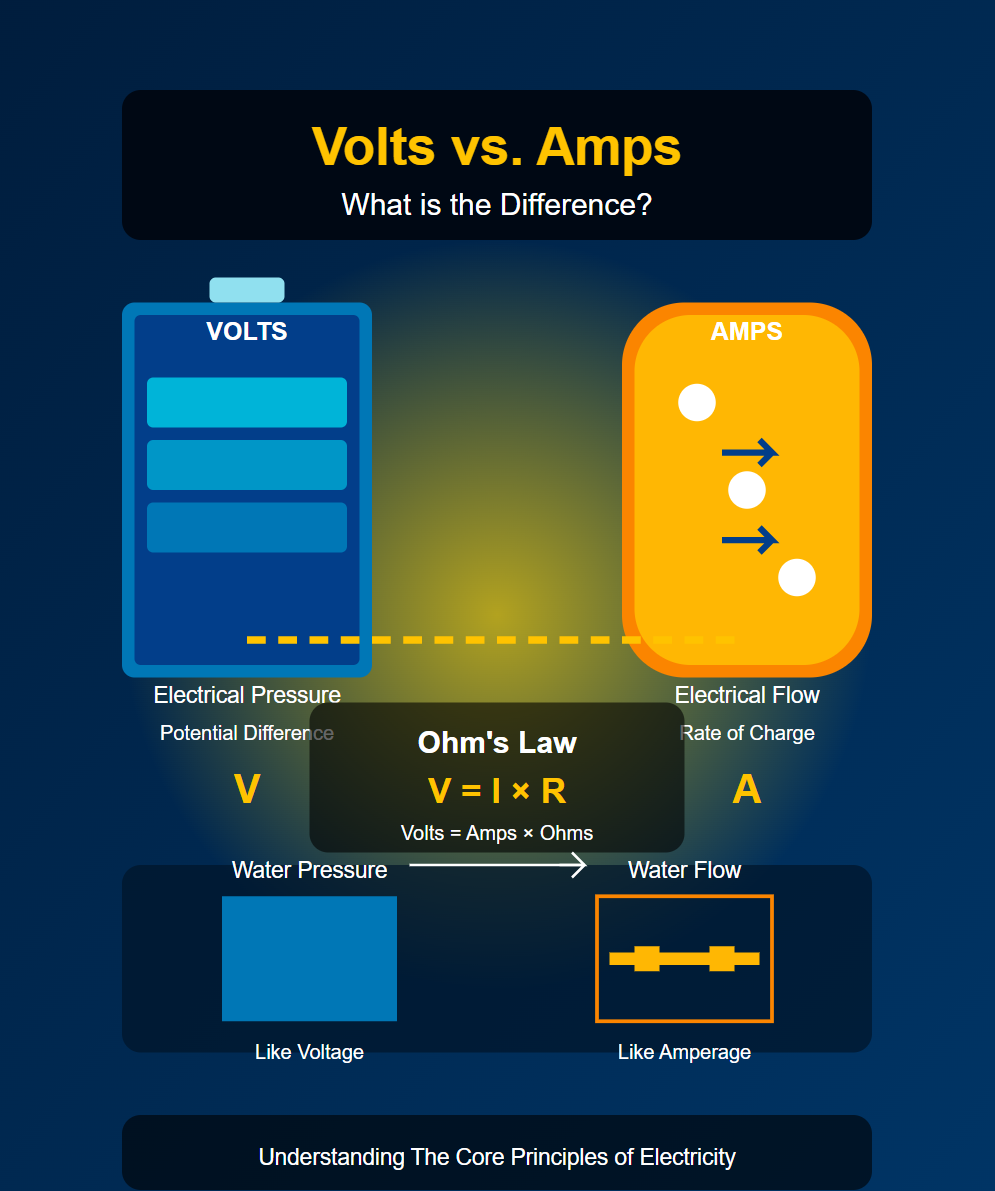
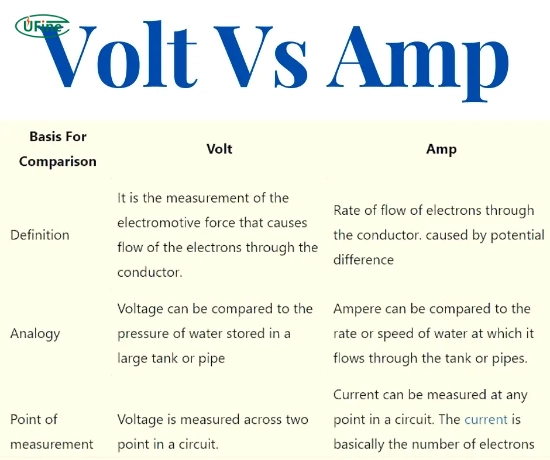
Think of volts as the pressure behind the flow of electricity. Imagine a water pipe: voltage is like the water pressure pushing the water through. The higher the voltage, the stronger the push. Officially, voltage measures the electrical potential difference between two points in a circuit. That might sound complicated, but really, it just means how much oomph is behind the electrons trying to get from point A to point B.
You'll see voltage ratings everywhere – on batteries (1.5V, 9V), power adapters (5V, 12V), and even on the back of your hairdryer (120V in the US, 230V in many European countries). These numbers indicate the amount of electrical pressure those devices are designed to operate with. Using the wrong voltage can be, well, electrifyingly bad. Plug a device designed for 120V into a 230V outlet without a converter and you could fry it – a pricey mistake, not unlike ordering that experimental "beetroot latte" you're not sure about.
Must Read
Amps: The Current Flow
Amps, short for amperes, measure the amount of electrical current flowing through a circuit. Back to our water pipe analogy, amperage is like the volume of water flowing through the pipe. A higher amperage means more electrons are flowing per second.
Think of it like rush hour on the freeway. Volts are the speed limit (the pressure), while amps are the number of cars zooming past (the current). A higher speed limit with fewer cars might be okay, but a low speed limit with a massive traffic jam creates a different scenario. Similarly, you need the right combination of volts and amps for your electrical devices to function correctly.

You'll often see amperage ratings on appliances that draw a lot of power, like refrigerators, air conditioners, and power tools. These devices require a significant flow of electricity to operate. Overloading a circuit with too many amps is what causes circuit breakers to trip. This is a safety mechanism designed to prevent wires from overheating and potentially causing a fire – your electrical system's way of saying, "Too much traffic! Shut it down!"
The Relationship: It's Electric!
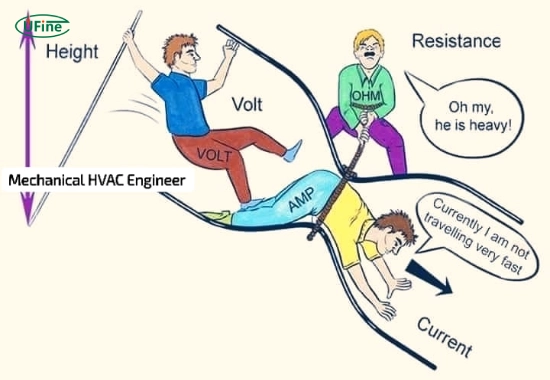
So, how do volts and amps relate? They're intrinsically linked. Think of them as partners in crime (the crime being powering your gadgets, of course). The relationship is defined by a fundamental electrical principle called Ohm's Law. While we won't delve into the math, the key takeaway is: Voltage = Current (Amps) x Resistance. This means that voltage, current, and resistance are all interconnected. Increase the voltage, and you’ll generally increase the current, assuming the resistance stays the same. Think of resistance as the width of the pipe - the narrower the pipe, the more resistance, and the less water will flow at the same pressure.
Consider this: Charging your smartphone requires a specific combination of volts and amps. A standard USB charger might provide 5V and 1A. A fast charger might provide 5V and 2A, or even higher voltages and amperages. The device regulates the flow to safely charge the battery. Just like a personal trainer tailoring a workout to your individual needs, your device carefully manages the electrical flow it receives.
Practical Tip: When choosing an extension cord, pay attention to its amperage rating. Make sure it can handle the total amperage draw of all the devices you'll be plugging into it. Using an undersized extension cord is a fire hazard – definitely not a vibe.

Fun Fact: Thomas Edison and Nikola Tesla famously clashed over AC (Alternating Current) and DC (Direct Current) electricity. Edison championed DC, while Tesla advocated for AC. AC ultimately won out because it can be transmitted over long distances more efficiently. Imagine a world where you could only power your house if it was right next to the power plant! Thanks, Tesla!
Connecting It All
Understanding the basic difference between volts and amps isn’t just about electrical safety (though that’s definitely important!). It's about understanding the technology that powers our lives. From charging our phones to running our homes, volts and amps are the unsung heroes working behind the scenes. So, next time you plug something in, take a moment to appreciate the electrical dance happening within those wires – a symphony of pressure and flow that keeps our modern world humming. And maybe, just maybe, you'll finally understand why your phone charger feels warm after a long charge. It's the electricity working hard to keep you connected.