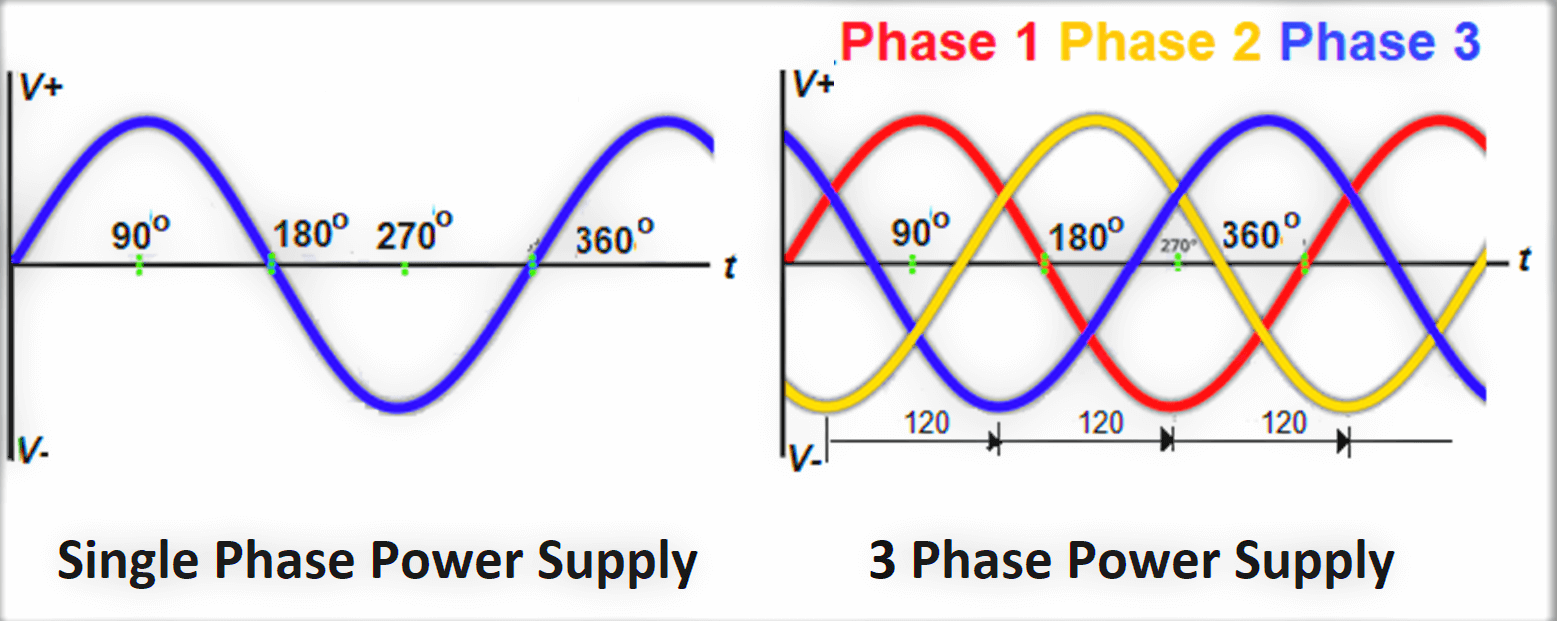
What Is The Difference Between 3 Phase And 1 Phase
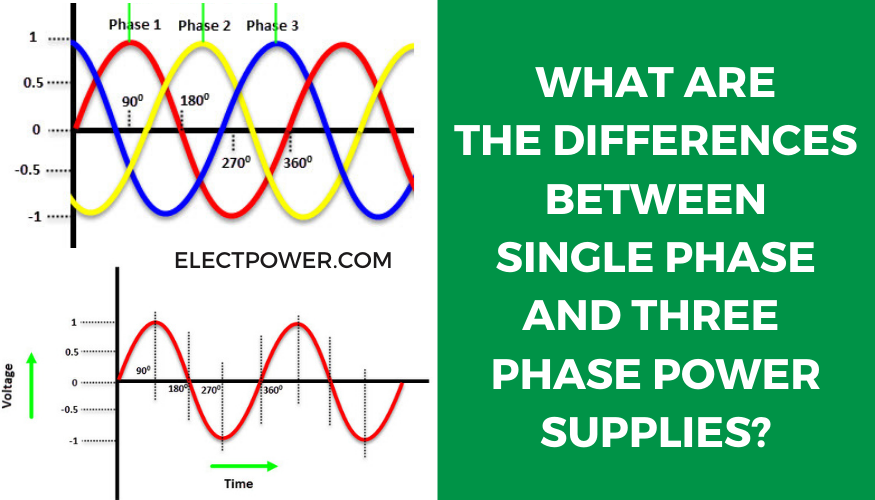
Ever wondered about the secret language of electricity? Like, why some things need a big, fancy plug and others are happy with the standard one? Well, buckle up, because we're diving into the electrifying world of single-phase and three-phase power! Don't worry, it's less scary than it sounds – promise!
The Single Life: One-Phase Power
Think of single-phase power like a lone wolf, or maybe a solo musician. It's electricity delivered through a single alternating current (AC) wave. It's the kind of power that hums through most homes. Imagine your toaster, your TV, your phone charger – all happily sipping on single-phase juice.
It's simple, reliable, and relatively inexpensive to set up, which makes it perfect for smaller, everyday appliances. Think of it this way: single-phase is like a chill Sunday morning brunch – easy, breezy, and gets the job done without any fuss.
Must Read
But, and there's always a but, single-phase has its limitations. It's not the strongest kid on the block. It’s like trying to move a mountain with a wheelbarrow – doable, maybe, but incredibly inefficient. Single-phase struggles when it comes to powering large, heavy-duty equipment that needs a constant, powerful energy surge.
The Power Trio: Three-Phase Power
Now, let’s crank things up a notch with three-phase power! Think of it as the Avengers of electricity: three AC waves working together, perfectly synchronized, to deliver a smooth, constant, and ridiculously powerful stream of energy. It's like having three solo musicians playing the same tune, but slightly out of sync, creating a fuller, richer sound.
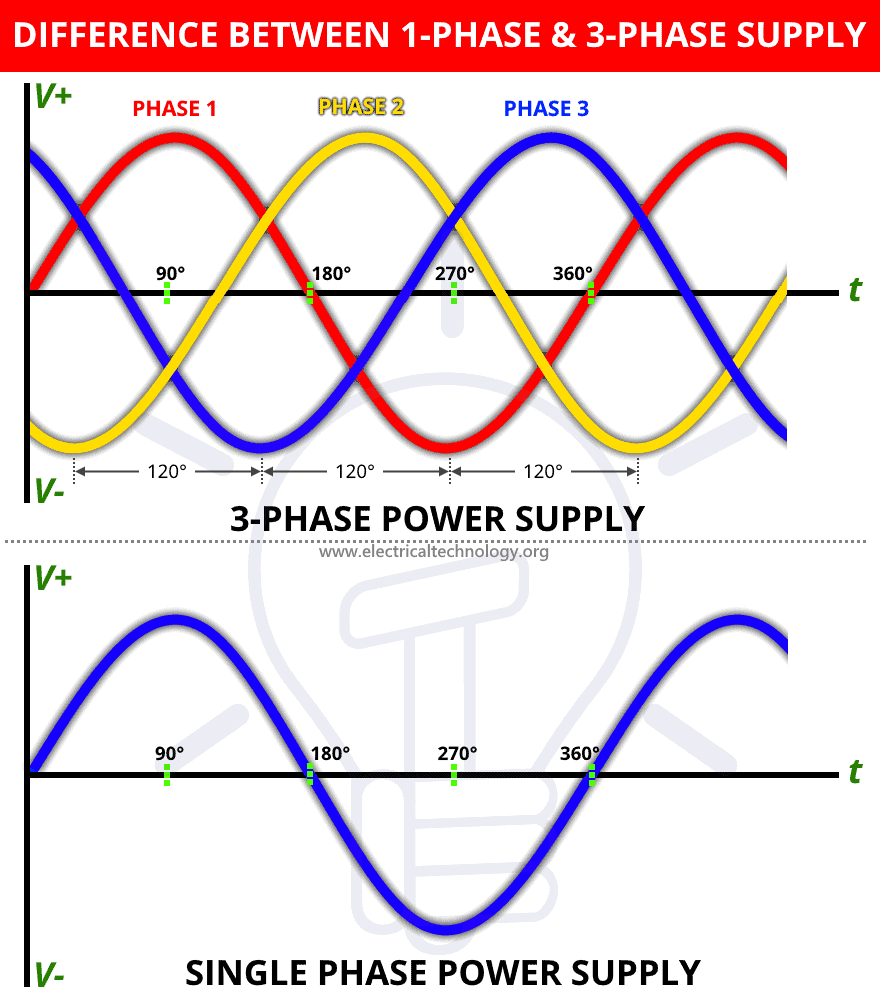
Instead of a single wave that peaks and valleys, three-phase has three waves offset from each other. This means that at any given moment, at least one of the waves is delivering a peak of power. No more sputtering starts or struggling motors!
This makes three-phase the champion of powering heavy-duty machinery. We're talking factories churning out widgets, massive air conditioning units keeping skyscrapers cool, and even those super-fast electric vehicle chargers. Basically, anything that demands serious oomph relies on the might of three-phase.
Three-phase is like having a whole team of oxen pulling a heavy load, versus that one overworked wheelbarrow. It's more efficient, delivers more power, and makes for a much smoother ride.

When to Call in the A-Team (Three-Phase):
Imagine you’re trying to start a massive industrial fan. With single-phase, it might chug, cough, and take its sweet time getting up to speed. With three-phase, it's like flipping a switch and BAM! Full speed ahead. Efficiency at its finest!
Thinking in Everyday Terms:
To further illustrate: Suppose you're making smoothies. A single-phase blender might be great for small batches, but imagine trying to blend a whole truckload of fruit. You'd probably burn it out! That's where the industrial-strength, three-phase blender comes in, ready to pulverize mountains of mangoes into deliciousness. Metaphorically speaking, of course. Please don't blend a truckload of mangoes.

So, Which One's Right for You?
Generally speaking, for your average home, single-phase is the way to go. It's more than enough to power your lights, appliances, and entertainment systems. Unless you're running a clandestine underground laser show or powering a personal particle accelerator, you probably don't need three-phase.
However, if you're running a business with heavy-duty machinery, or if you’re planning on opening a giant smoothie factory, then three-phase power is absolutely essential.
In conclusion, while both single-phase and three-phase power are vital to our modern world, they serve very different purposes. Single-phase is the workhorse of our homes, while three-phase is the powerhouse of industry. Now you can impress your friends at parties with your newfound knowledge! Just maybe don't bring up the mango smoothie factory example; they might look at you funny.